5 Preventive Dentistry Practices That Protect Against Gum Disease
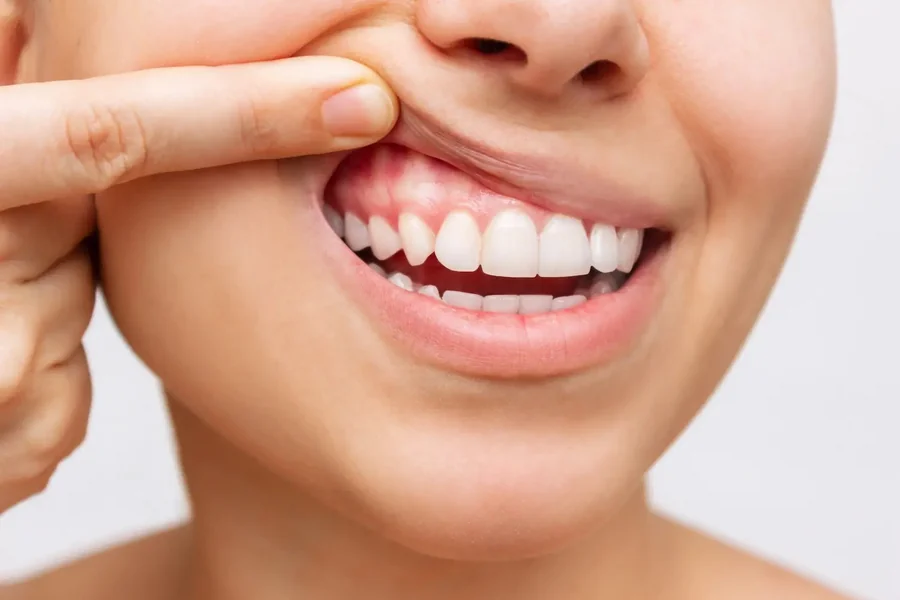
Gum disease affects many people, causing pain and affecting overall health. You can take simple steps to protect your gums and mouth. family dentistry in Moline, IL, stresses the importance of preventive care. This article guides you to five practices that will help keep your gums healthy. You will learn why these practices matter and how they work in your daily life. These steps are manageable and don’t require complicated tools or tricks. From regular check-ups to proper brushing and flossing, you will discover easy ways to fight gum disease. Your gums will thank you for the attention and care. By following these practices, you not only protect your gums but also support your body’s health. Remember, your mouth is a key part of your body. Treat it with care. Embrace these practices as part of your routine.
Brush Your Teeth Correctly
Proper brushing is the cornerstone of oral health. Use a soft-bristle toothbrush and fluoride toothpaste. Brush for two minutes twice a day. Hold the brush at a 45-degree angle to your gums. Move the brush back and forth gently. Cover all surfaces, including the front, back, and top of each tooth. Pay attention to your gum line and ensure you don’t brush too hard. This helps remove plaque, which prevents gum disease.
Floss Daily
Flossing removes food and plaque between teeth where a brush can’t reach. Do it once a day, preferably before bed. Use a length of floss that allows you to use a fresh section for each tooth. Gently slide the floss up and down, following the curve of each tooth. This keeps your gums clean and healthy. According to the American Dental Association, flossing also reduces the risk of cavities.
Regular Dental Check-Ups
Visit your dentist regularly for check-ups and cleanings. Professionals can spot early signs of gum issues you might miss. They will clean your teeth, removing plaque and tartar. This stops gum disease before it starts. Regular visits also provide personalized advice for your mouth’s needs. Your dentist may also suggest treatments or adjustments to your routine. Check-ups every six months are ideal for most people.
Balanced Diet
What you eat affects your gums. A balanced diet supports oral and overall health. Limit sugary foods and drinks. Bacteria in your mouth feed on sugar, producing acids that harm your gums. Include fruits, vegetables, lean proteins, and whole grains in your meals. Foods rich in vitamins and minerals strengthen your gums. Drinking plenty of water helps wash away food particles and bacteria. The ChooseMyPlate guidelines from the USDA offer more tips for a balanced diet.
Avoid Tobacco Products
Tobacco use harms gums and increases the risk of gum disease. If you use tobacco, consider quitting. Seek support from your dentist or doctor for cessation resources. Your gums will respond positively once you quit. Non-smokers have healthier gums and a lower risk of gum disease. Avoiding tobacco is one of the best things you can do for oral and overall health.
Comparison Table: Brushing vs. Flossing
| Feature | Brushing | Flossing |
|---|---|---|
| Tools Required | Toothbrush, toothpaste | Floss |
| Frequency | Twice a day | Once a day |
| Main Benefit | Removes plaque from surfaces | Removes plaque between teeth |
| Prevents | Tooth decay, gum disease | Gum disease, cavities |
Take Action Today
Incorporate these practices into your daily routine. Consistency is key. By staying committed to these habits, you safeguard your gums and overall health. Your mouth deserves attention and care. Start today with these simple steps. Your effort will lead to healthier gums and a happier smile. Feel confident in your ability to protect yourself from gum disease. Follow these practices and make them part of your life. Your gums and health will benefit greatly.