How Orthodontic Care Enhances Confidence In Patients Of All Ages
A steady smile can change how you walk into a room, speak at work, or meet someone new. Crooked or crowded teeth can cause quiet shame, even if you never speak about it. Orthodontic care gives you more than straight teeth. It gives you control. Children gain comfort when they no longer fear teasing. Teens feel less pressure to hide in photos. Adults stop covering their mouths when they laugh. A Burlington orthodontist can guide you through simple steps that fit your stage of life. Treatment can be gentle, clear, and planned. You learn what will happen, how long it will take, and what results you can expect. That clear path reduces fear. It builds trust. Over time, your reflection starts to match how you want to feel inside. This blog explains how orthodontic care supports your confidence at every age.
Why your smile affects how you feel
Your mouth is one of the first things people see. Uneven teeth can change how you talk, eat, and breathe. They can also change how you act. You might hide your teeth in photos. You might avoid eye contact. You might speak less in groups.
Research from the National Institute of Dental and Craniofacial Research shows that poor oral health links with missed school and work. That loss often comes with shame and worry. When you fix bite and alignment, you lower pain and improve function. You also gain a sense of control. You know your mouth is clean, strong, and cared for. That knowledge calms your mind. It makes social moments less tense.
Children: building courage early
Childhood is harsh when teasing starts. If your child hears jokes about crooked teeth, that hurt can sit for years. Early orthodontic care can ease that hurt. It can also guide jaw growth and make later care shorter.
You help your child when you:
- Schedule a checkup by age 7, even if teeth look fine
- Ask about crowding, overbite, and breathing through the mouth
- Talk with your child in clear, calm words about what to expect
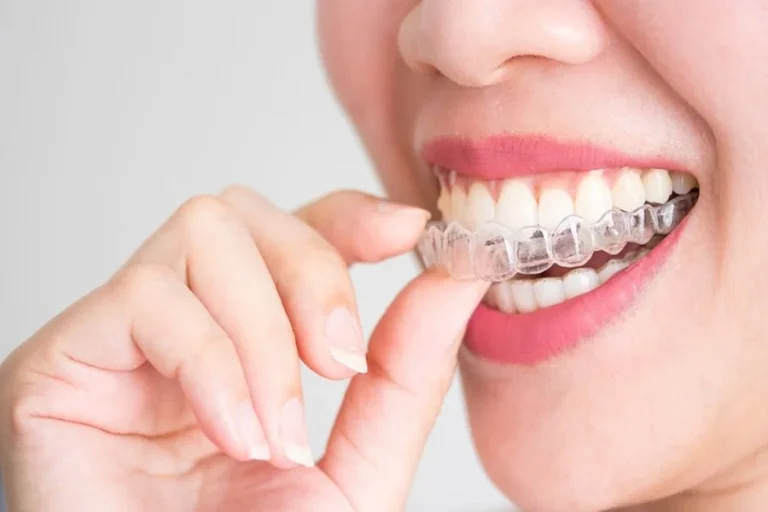
Braces or clear aligners can seem scary to a child. Clear steps and kind staff can turn that fear into pride. Your child can feel brave when they see progress. Each visit becomes proof that they can handle change. That sense of courage spreads to school, sports, and friendships.
Teens: handling social pressure
Teen years bring strong pressure to look a certain way. Photos, video calls, and social media can make every small flaw feel huge. Uneven teeth or a deep overbite can push a teen to hide their smile or avoid group pictures.
Orthodontic care offers teens three key gains. They gain a cleaner bite that is easier to brush and floss. They gain a smile that matches how they want to present themselves. They gain proof that slow, steady effort leads to change. Aligners, low profile brackets, and careful planning help them keep sports, music, and school on track.
Adults: reclaiming your smile
Many adults believe they missed their chance. That belief is false. Teeth move at any age when guided with care. You might feel stuck with old crowding or gaps. You might feel fear about pain or cost. You might also feel shame that you waited.
You can let that go. Adult orthodontic care can:
- Reduce jaw strain and headaches from a poor bite
- Lower the risk of gum disease by straightening crowded teeth
- Support clear speech for work and public speaking
When your teeth line up, you chew with less strain. You clean with less effort. You speak with more ease. That comfort shows in job interviews, staff meetings, and daily talk. You stop planning how to hide your mouth. You start planning what you want to say.
Emotional gains across life stages
Orthodontic treatment changes more than teeth. It changes what you believe about yourself. Three emotional gains stand out.
- Self respect. You show yourself that you matter. You invest time and care in your health.
- Social ease. You stop worrying about how your teeth look. You join in photos and speak up more.
- Hope. You see proof that a long problem can improve. That proof can inspire other healthy changes.
The Centers for Disease Control and Prevention notes that healthy teeth support eating, speaking, and social life. When those basic parts of life feel secure, your mood and confidence rise.
Common concerns and honest answers
You might still feel unsure. Three common concerns appear again and again.
- “Treatment will hurt.” You may feel pressure when teeth start to move. That feeling often fades after a few days. Cold foods and over-the-counter pain relief can help. Clear guidance from your care team reduces fear.
- “I am too old.” Adults complete orthodontic care every day. Many start in their 40s, 50s, or later. Age alone does not block treatment. Gum health and bone support matter more.
- “It costs too much.” Many offices use payment plans. Some insurance plans cover part of the cost. You can ask for a clear written plan before you start. That plan should list steps, time, and fees.
Sample treatment comparison
| Treatment type | Typical use | Average duration | Key confidence gain
|
|---|---|---|---|
| Traditional braces | Children and teens with crowding or bite problems | 18 to 24 months | Visible progress that builds pride at each visit |
| Clear aligners | Teens and adults with mild to moderate alignment needs | 12 to 18 months | Subtle look that eases social and work worries |
| Early interceptive care | Children with jaw growth concerns | 6 to 12 months | Relief from teasing and better sleep and chewing |
Taking your next step
You do not need to live with quiet shame over your teeth. You can start with a simple consult. Bring your questions. Ask for clear photos and plain words about your options. Ask how each choice will help you eat, speak, and smile.
Your smile carries your story. With careful orthodontic care, that story can change from hiding to showing. You deserve a mouth that feels strong and a smile that feels safe to share at every age.