Why Preventive Care Matters For Small Pets
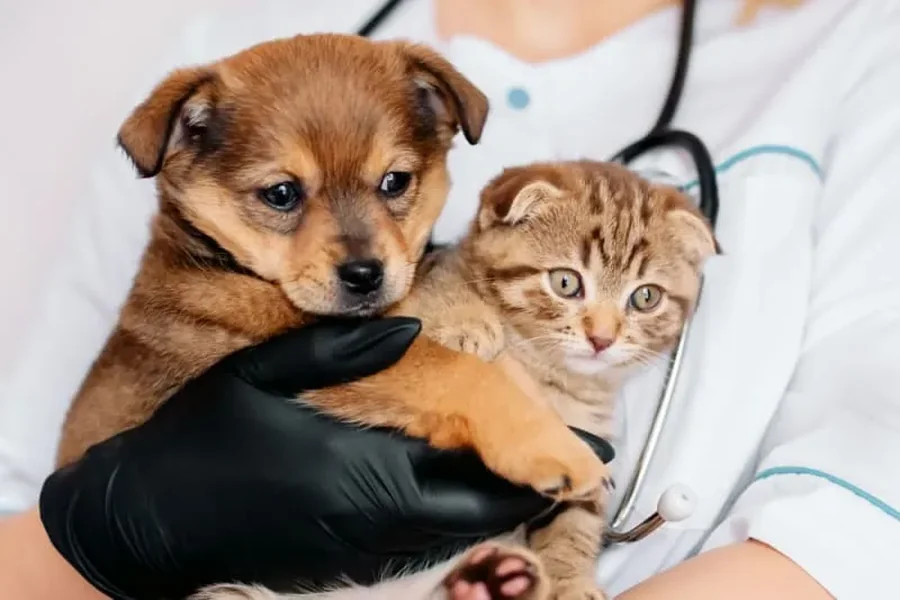
Your small pet depends on you for everything. Food. Shelter. Safety. Health. Preventive care protects all four. Many people wait until a crisis before calling a San Diego veterinarian. By then, treatment can be harder, longer, and more expensive. Regular checkups catch problems early, when they are easier to treat and less painful for your pet. Simple steps like vaccines, teeth cleaning, nail trims, and weight checks do more than fix issues. They stop many problems from starting. That means fewer emergencies, fewer sudden bills, and fewer stressful nights. Preventive care also helps you understand small changes in behavior, eating, or energy. Those small changes often signal bigger trouble. When you plan in advance, you give your pet a safer, calmer life. You also gain peace of mind, because you are not waiting for the next bad surprise.
What Preventive Care Means For Small Pets
Preventive care is regular care that keeps your pet from getting sick. It is not fancy. It is steady and simple. It includes three basic parts.
- Routine exams with a trusted vet
- Core vaccines and parasite control
- Daily home care for teeth, nails, diet, and comfort
Small pets hide pain. Rabbits, guinea pigs, small dogs, and cats often stay quiet even when they suffer. A calm pet is not always a healthy pet. Regular visits and simple checks at home uncover problems that your pet cannot show you.
How Often Your Small Pet Needs Care
Small bodies change fast. Age, size, and species shape how often you should schedule visits. The following table gives simple guidance. Your own vet may adjust this plan for your pet.
| Pet Type | Age Group | Suggested Vet Visit Frequency | Key Preventive Focus
|
|---|---|---|---|
| Small dog (under 20 lbs) | Puppy (under 1 year) | Every 3 to 4 weeks | Vaccines, deworming, growth checks, early training support |
| Small dog (under 20 lbs) | Adult (1 to 7 years) | Once a year | Vaccines, heartworm tests, weight and joint checks, teeth checks |
| Small dog (under 20 lbs) | Senior (over 7 years) | Every 6 months | Blood work, pain checks, organ function, dental care |
| Indoor cat | Kitten (under 1 year) | Every 3 to 4 weeks | Vaccines, parasite checks, litter box support, behavior guidance |
| Indoor cat | Adult (1 to 10 years) | Once a year | Vaccines, weight checks, dental checks, hairball, and stress review |
| Indoor cat | Senior (over 10 years) | Every 6 months | Kidney and thyroid tests, pain checks, mobility support |
| Rabbit or guinea pig | All ages | Once a year | Teeth checks, weight checks, diet review, nail trims |
The Centers for Disease Control and Prevention stresses that healthy pets also protect human health. Routine care lowers the risk of bites, scratches, and disease spread in your home.
Key Parts Of A Preventive Visit
During a regular visit, the vet does three things that protect your pet.
- Physical exam. The vet listens to the heart and lungs. The vet checks eyes, ears, teeth, skin, belly, joints, and weight.
- Tests. Simple blood, urine, or stool tests can uncover infection, organ strain, or parasites long before clear signs show.
- Plan. You and the vet set a plan for vaccines, flea and tick control, diet, and pain control if needed.
Routine care is more effective after treatment, too. If your pet had surgery or a past disease, follow-up visits keep that problem from returning in a harsher form.
Why Early Action Costs Less And Hurts Less
Waiting seems easier in the moment. It often leads to higher costs and more suffering. For example, untreated dental disease in a small dog can turn into a deep infection. That infection can spread to the heart and kidneys. A simple cleaning once a year costs less than emergency extractions and hospital care.
You see the same pattern with weight. A few extra pounds on a small pet strain joints and the heart. Early diet changes and daily walks cost time and care. They protect your pet from joint surgery and heart treatment later.
Parasites, Vaccines, And Your Home
Fleas, ticks, and worms are not just a nuisance. They carry a disease that harms both pets and people. Regular prevention is safer than constant treatment.
- Use vet-approved flea and tick prevention on the set schedule.
- Have your pet tested for heartworm and intestinal worms as your vet advises.
- Keep bedding clean and wash hands after cleaning litter boxes or cages.
The Ohio State University Veterinary Medical Center explains that vaccines, testing, and parasite control form the core of long-term pet health. Steady protection stops sudden outbreaks that can shake your home.
Daily Habits That Protect Your Small Pet
Preventive care does not end at the clinic door. Your daily choices give your pet strength or strain. Focus on three habits.
- Food. Use a complete diet that fits your pet’s species, age, and size. Avoid constant snacks and human food.
- Teeth. Brush teeth if your vet approves. Offer safe chew toys for dogs and cats. Give rabbits and guinea pigs steady hay for tooth wear.
- Movement. Provide play, short walks for dogs, and climbing or hiding spaces for cats and small mammals.
Watch for changes in appetite, litter box use, breathing, or energy. A shift that lasts more than a day or two deserves a call to your vet. A quick call often stops a slow slide into a crisis.
When To Call A Vet Right Away
Preventive care still needs backup. Call a vet at once if you see any of the following signs.
- Sudden trouble breathing or open mouth breathing in a cat or rabbit
- Not eating for a full day or not drinking for half a day
- Repeated vomiting or diarrhea
- Seizures, collapse, or confusion
- Bleeding that does not stop
- Straining to urinate, or no urine produced, in a cat
You know your pet’s normal habits. Trust your concern. A fast visit can save your pet’s life and can also lower long-term costs.
Giving Your Small Pet A Safe Future
Preventive care is a promise. You choose steady action instead of fear and guesswork. Regular exams, vaccines, tests, and daily habits give your pet a longer, calmer life. They also protect your family from avoidable disease and distress.
You do not need perfection. You only need consistency. Set a schedule with your vet. Mark it on a calendar. Keep three goals in mind. Catch problems early. Reduce pain. Protect your home. Your small pet depends on you. Preventive care proves that you are ready to stand up for that trust.