How Preventive Dentistry Lowers The Risk Of Oral Disease

Your mouth shows early warnings long before pain starts. Preventive dentistry uses those early signs to protect you from tooth decay, gum infection, and tooth loss. You learn what to watch for, how to clean your teeth well, and when to act fast. Regular checkups, cleanings, and simple home habits cut the risk of serious oral disease. They also lower the chance of sudden emergency visits and costly treatment. A Riverside dentist can spot small changes that you might miss in your mirror. That quick visit may stop a small cavity from turning into an infection. Preventive care also supports your whole body. Poor oral health links to heart disease, diabetes, and breathing problems. When you protect your mouth, you protect the rest of you. This guide explains how preventive dentistry works, what to expect at each visit, and how to build strong daily habits.
Why early care matters for every age
Oral disease grows in small steps. First plaque sticks to teeth. Then it hardens into tartar. Next gums swell and bleed. Last teeth loosen and bone breaks down. You often feel no pain until late stages. By then treatment is hard and costly.
Early care breaks this chain. You and your child can stop disease at three key points.
- Daily cleaning that removes soft plaque
- Regular office visits that remove tartar
- Healthy food and drink that slow decay
The Centers for Disease Control and Prevention explains that tooth decay is one of the most common chronic diseases in children. It is also preventable.
What happens during a preventive visit
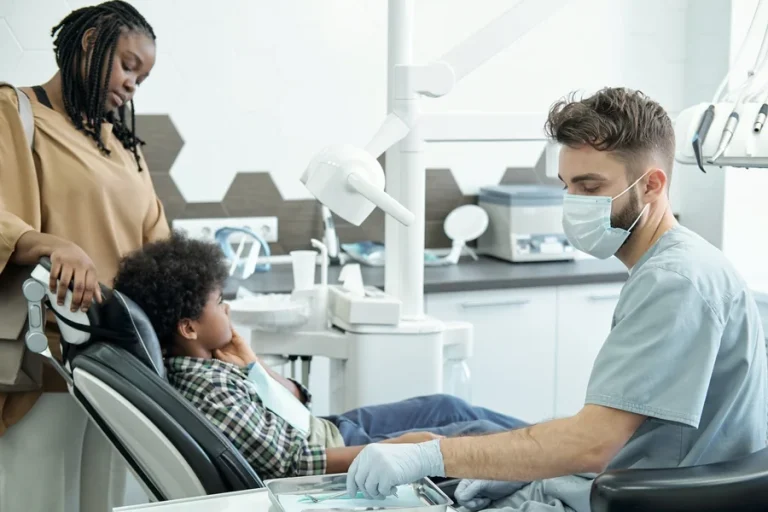
A checkup is simple. You sit in a chair. The team looks, measures, and cleans. Each step lowers risk.
- Review. You share your medical history, medicines, and habits like smoking or soda use.
- Exam. The dentist checks teeth, gums, tongue, and cheeks for spots, swelling, and dry mouth.
- Cleaning. The hygienist removes tartar and plaque from teeth and along the gumline.
- Polish and floss. Teeth feel smooth, which makes new plaque stick less.
- X rays when needed. Small images show decay between teeth and bone loss that the eyes cannot see.
- Fluoride or sealants. These simple steps help protect weak spots, especially in children.
Nothing in this visit is fancy. Yet each step stops the disease from growing in silence.
Daily habits that protect your mouth
Your home routine has three main parts. When you repeat them each day, you build a strong shield.
- Brush two times a day with fluoride toothpaste. Aim for two minutes each time.
- Floss once a day to clean the tight spaces that a brush cannot reach.
- Rinse with water after meals and snacks. This helps wash away sugar and food bits.
Then look at what you eat and drink.
- Limit sugary drinks like soda, sports drinks, and sweet coffee.
- Choose water or milk most of the time.
- Eat crisp foods like apples, carrots, and nuts if you can chew them well.
These steps look small. Over months and years, they cut your risk of oral disease in a deep way.
How preventive dentistry lowers risk over time
Preventive care changes both the mouth and the wallet. The table below compares steady preventive care with care that starts only when pain shows.
| Topic | With steady preventive care | With pain based care only
|
|---|---|---|
| Number of visits | Two short visits each year | Fewer visits until pain, then many visits in a short time |
| Common treatments | Cleanings, small fillings, fluoride, sealants | Root canals, crowns, extractions, gum surgery |
| Pain level | Low. Mild tenderness after cleanings only | High. Sudden toothache and swelling |
| Cost over five years | Lower. Mostly routine fees | Higher. Emergency and complex work |
| Tooth loss risk | Low. Problems caught early | High. Late care for deep decay and gum disease |
Steady care does not just save teeth. It also protects your energy, sleep, and family plans.
Links between oral health and whole body health
Your mouth shares blood and tissue with the rest of your body. When gums stay inflamed, that swelling can stress your heart and blood vessels. People with diabetes face a higher risk of gum disease. Gum infection also makes blood sugar harder to control.
The National Institute of Dental and Craniofacial Research explains these links between oral health and general health. Even small steps like better brushing can support long-term health.
For older adults, poor oral health can lead to trouble chewing. That can cause weight loss and weak muscles. For children, pain from decay can harm school focus and sleep. In each life stage, a clean mouth supports a steady body.
Special help for children and older adults
Children and older adults often need extra support.
For children
- First visit by age one or when the first tooth appears
- Fluoride varnish on baby teeth to slow decay
- Sealants on back teeth to block food from deep grooves
For older adults
- Help with brushing and flossing if hands feel weak
- Care for dentures and partials to prevent sores
- Checks for dry mouth from common medicines
In both groups, kind routine care prevents small issues from turning into infections or tooth loss.
How to start today
You do not need a complex plan. You can start with three steps.
- Schedule a checkup and cleaning if you have not had one in the last year.
- Set a timer when you brush tonight and aim for two full minutes.
- Choose water with your next meal instead of a sugary drink.
Then talk with your dental team about your risks. Ask about gum health, dry mouth, and your child’s teeth. Clear facts and simple habits will guide you. When you use preventive dentistry, you lower the risk of oral disease and protect your health with steady, quiet strength.