How to Extend Your Roof’s Lifespan With Routine Maintenance
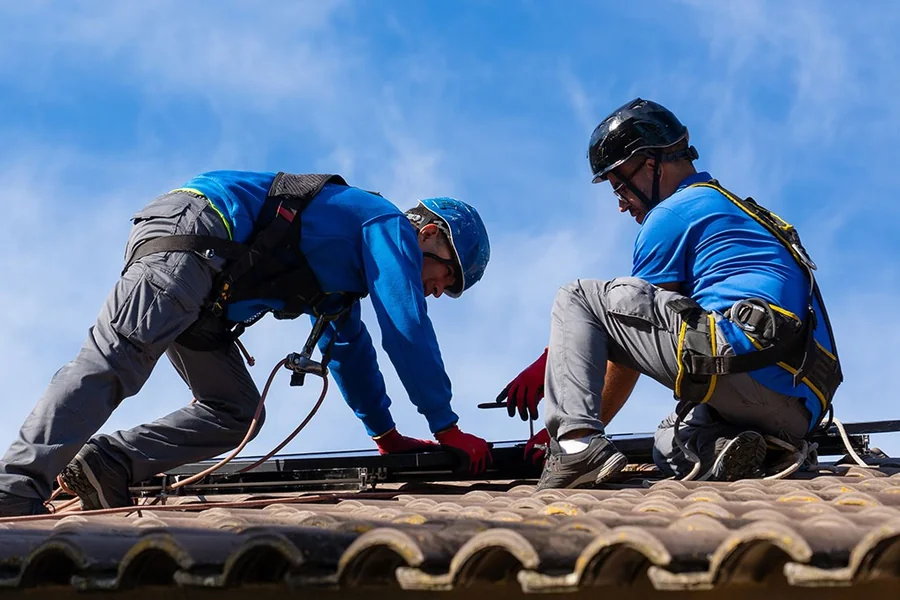
A roof is one of the most critical parts of any home, yet it’s often overlooked until issues arise. Regular maintenance not only protects your investment but also ensures your roof lasts for decades, saving you from costly repairs or premature replacements.
By taking simple, proactive steps, homeowners can prevent wear and tear caused by weather, debris, and time. Routine care doesn’t just enhance durability—it also boosts energy efficiency and keeps your home safe from leaks and structural damage.
Why Seasonal Roof Inspections Make a Big Difference
Seasonal roof inspections identify potential issues before they escalate. During these inspections, professionals check for missing shingles, cracked flashing, or clogged drainage systems, which are common causes of roof wear. By addressing these problems promptly, homeowners can extend roof lifespan and avoid costly damage.
Changing weather conditions, such as heavy rain in spring or ice accumulation in winter, often lead to minor damages that worsen over time. Seasonal inspections ensure that roofs are prepared to handle these environmental stressors, preserving their structural integrity.
Routine inspections also protect Quality Exteriors by preventing leaks and ensuring water does not seep into underlying layers. Early detection of vulnerabilities reduces the risk of interior water damage, safeguarding the overall durability of the home.
Annual schedules for seasonal roof check-ups are critical. Homes in regions with extreme weather should prioritize inspections in transitions between seasons, like late fall or early spring. This approach maximizes the roof’s performance and minimizes unexpected repair costs.
Clearing Gutters and Drainage Paths to Prevent Water Damage
Regularly clearing gutters and drainage paths prevents water buildup, which can lead to water damage and roof deterioration. When debris such as leaves, twigs, or dirt accumulates, it blocks proper water flow, causing overflows that strain the roof and exterior walls.
Unclogged gutters help Extend Roof Lifespan by ensuring rainwater drains away efficiently. Accumulated water can lead to mold growth, wood rot, and structural issues if left unchecked. Homes in areas with heavy rainfall or frequent storms benefit significantly from this maintenance practice.
Using tools like gutter scoops or installing gutter guards minimizes future clogs. Drainage paths should also be inspected to ensure that downspouts direct water at least five feet away from the home’s foundation. This helps maintain quality exteriors by avoiding erosion and water damage near the property. Scheduling biannual gutter cleaning, especially during fall and spring, keeps debris under control and protects the roof’s integrity.
The Role of Proper Attic Ventilation in Roof Longevity
Proper attic ventilation directly impacts roof longevity by regulating temperature and moisture levels. Poor ventilation traps heat and moisture, leading to premature roof deterioration and potentially reducing its lifespan. Excess moisture from an improperly ventilated attic can seep into the roof’s structure, causing wood rot and weakening support materials.
Attic ventilation prevents ice dams during colder months by maintaining consistent roof temperatures. Ice dams form when warm air from the attic melts roof snow, which refreezes at the edges, creating blockages. Over time, this added weight and water pooling can damage shingles and underlayment, compromising the roof’s quality.
Effective ventilation also enhances energy efficiency by reducing heat buildup during summer. This prevents shingles from deteriorating due to excessive heat exposure. Homes with well-ventilated attics experience lower cooling costs and less stress on roofing materials, which helps extend the roof’s lifespan.
For maximum benefits, combine a balanced intake and exhaust system. Intake vents near the eaves and exhaust vents at the ridge provide consistent airflow, preventing the accumulation of damaging elements. Routine checks ensure vents remain unobstructed, safeguarding both the attic and overall roof performance.
Spotting Minor Issues Before They Become Major Repairs
Identifying small problems early significantly contributes to extending a roof’s lifespan. Regular inspections allow homeowners or professionals to spot minor issues like loose or missing shingles, small cracks in flashing, or early signs of water stains on ceilings. Addressing these problems promptly prevents them from evolving into costly repairs or compromising the roof’s integrity.
Small issues such as punctures, blistering on roofing surfaces, or damaged seals around vents often result from weather exposure or aging materials. Left unchecked, they can lead to water infiltration, structural damage, or the need for extensive repairs. Proactive identification protects the home’s quality exteriors and minimizes risks of interior damage.
Inspecting for clogged gutters, pooling water, or sagging areas on the roof surface also reveals potential vulnerabilities. Stains, warped wood, and signs of moisture near eaves indicate underlying drainage or structural concerns, which require immediate attention to avoid long-term damage.
Routine checks for wear around chimneys, skylights, and roof valleys help detect early deterioration in these high-risk areas. Catching these signs early ensures that targeted repairs maintain the roof’s stability and extend its service life, saving homeowners from premature roof replacements.
How to Choose the Right Sealants and Flashing Materials
Selecting appropriate sealants and flashing materials is crucial for maintaining roof durability and preventing water intrusion. Quality exteriors depend on these elements to keep the roof’s protective layers intact and extend the roof lifespan.
- Sealant Types: Use silicone or polyurethane sealants for weather resistance and flexibility. Silicone works well for extreme temperatures, while polyurethane suits areas needing strong adhesion, like roof seams or vents. Avoid acrylic sealants in regions with heavy rainfall, as they lack durability under prolonged moisture exposure.
- Flashing Materials: Opt for aluminum or copper flashing for durability and corrosion resistance. Aluminum is lightweight and cost-effective, making it ideal for most residential roofs, whereas copper provides longevity for premium installations. For budget-sensitive repairs, galvanized steel serves as a practical alternative but may corrode faster in humid climates.
- Weather Compatibility: Match sealants and flashing materials to regional climates. For example, use UV-resistant products in sunny regions to prevent degradation or flexible sealants in areas with frequent freeze-thaw cycles to minimize cracking.
- Installation Quality: Ensure correct application techniques for both sealants and flashing. Poorly applied materials can create gaps, leading to water leakage. Follow manufacturer guidelines or rely on professional installation for lasting performance.
- Inspection Frequency: Inspect sealants and flashing periodically for signs of wear, such as cracks or detachment. Addressing minor damage early reduces potential risks and reinforces the roof’s protection against weather elements.
Roof Maintenance Mistakes That Shorten Material Lifespan
1. Neglecting Regular Inspections
Skipping inspections leads to undetected issues like cracked shingles or damaged flashing. Over time, these small problems compromise structural stability and reduce material lifespan. Scheduling annual or semi-annual inspections prevents minor wear from escalating into major repairs.
2. Improper Cleaning Practices
Using pressure washers or abrasive tools damages roofing materials. Harsh cleaning methods strip protective layers, exposing surfaces to accelerated wear. Opting for gentle cleaning solutions preserves material quality while extending the roof’s lifespan.
3. Delaying Repairs for Minor Damage
Ignoring small issues such as leaks, loose shingles, or minor cracks allows damage to spread. Water infiltration from unaddressed issues accelerates wood rot and mold growth, quickly deteriorating roof quality. Prompt repairs prevent further degradation and prolong roof functionality.
4. Blocking Ventilation Systems
Covering or neglecting vents disrupts proper airflow, leading to heat buildup and moisture retention. Poor ventilation accelerates deterioration by causing wood rot and material warping. Maintaining unobstructed ventilation promotes consistent roof temperatures, optimizing longevity.
5. Overlooking Gutter Maintenance
Neglected gutters clog with debris, trapping water and causing roof strain. Stagnant moisture triggers rot and weakens material durability, especially during heavy rainfall. Regular gutter cleaning keeps water flow efficient, protecting both roofs and quality exteriors.
6. Using Substandard Materials or Incorrect Installation
Low-quality materials or poorly applied flashing and sealants fail to withstand environmental stress. These errors lead to leaks and reduced material lifespan. Investing in durable resources and professional installation enhances roof protection and extends service life.
7. Walking on the Roof Unnecessarily
Frequent foot traffic on roofing surfaces damages shingles, reduces UV resistance, and weakens structural integrity. Minimizing roof access and using designated walkways prevent unintentional wear, preserving material performance.
Preventing these mistakes safeguards roof materials from premature deterioration and ensures longer-lasting, quality exteriors.
8. Scheduling Maintenance Based on Roof Age and Material Type
A roof’s lifespan depends on its material, age, and exposure to environmental factors, making tailored maintenance schedules essential. Older roofs may require more frequent inspections and repairs, while newer ones benefit from proactive care to prevent premature wear.
Homeowners should consult professionals to determine maintenance intervals suited to their roof’s material, whether it’s asphalt shingles, metal, tile, or wood. Each type has unique needs, and addressing them promptly ensures durability and performance.
By committing to regular upkeep and addressing small issues early, homeowners can maximize their roof’s lifespan, avoid costly repairs, and maintain a safe, efficient home.