5 Reasons Animal Hospitals Are Vital To Responsible Pet Ownership
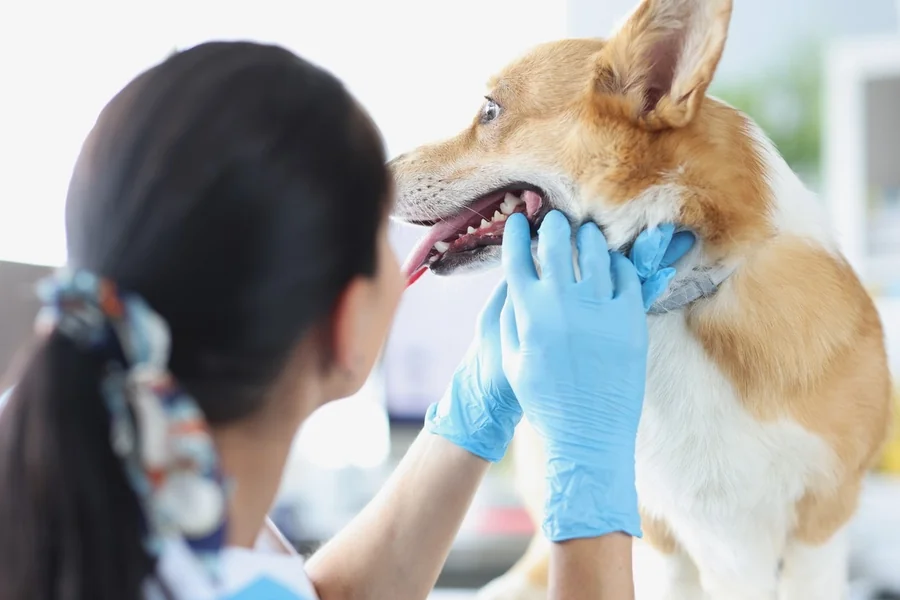
Responsible pet ownership is not only about love. It is about hard choices, steady care, and the courage to act early when something feels wrong. An animal hospital carries that weight with you. It offers urgent help when your pet is hurt. It also guides you through vaccines, nutrition, and behavior before small problems grow into lasting harm. Every visit builds a record that tells the truth about your pet’s health. That record helps you decide what to do next. If you live with a dog, cat, or other companion, you need a trusted partner who sees what you might miss. For many families, that partner is an animal hospital in Waller County, TX. This place does more than treat sickness. It helps you plan, prevent, and protect. When you understand these five reasons, you can care for your pet with clear purpose and less fear.
1. Early care stops small problems from turning into crises
You cannot see inside your pet’s body. You often learn the truth only when a trained team checks eyes, ears, mouth, heart, lungs, skin, and joints on a set schedule. Routine exams catch trouble before it explodes into pain, cost, and loss.
During a wellness visit, the team checks weight, teeth, heart rhythm, and movement. They may suggest simple blood work or stool tests. These steps can reveal hidden infections, kidney strain, or heartworm before your pet shows clear signs. The Centers for Disease Control and Prevention stresses that early care also protects you from diseases that pass between pets and people.
Regular exams support three goals. You avoid emergencies. You lower long term costs. You give your pet more years of comfort.
2. Vaccines and parasite control protect your home
Vaccines are not only about rules. They protect your pet from rabies, parvo, distemper, and other deadly infections. They also guard your children, older adults, and neighbors from sickness that jumps from animals to humans.
At an animal hospital, the staff creates a vaccine plan based on age, lifestyle, and local risk. A house cat needs a different plan than a hunting dog. The team also sets a schedule for flea, tick, and heartworm prevention. Heartworm treatment is harsh and expensive. Prevention is simple and steady.
Here is a sample comparison of common threats and how hospital care responds.
| Health threat | How it spreads | Key hospital service | Possible outcome without care
|
|---|---|---|---|
| Rabies | Bite from infected animal | Core vaccination on a set schedule | Death of pet and risk to people |
| Parvovirus | Contact with infected stool | Puppy vaccines and boosters | Severe gut disease and high death rate |
| Heartworm | Mosquito bites | Year round prevention medicine | Heart and lung damage |
| Fleas and ticks | Outdoor exposure and other animals | Topical or oral preventives | Skin infection and blood loss |
This care shields both your pet and your household. It also supports public health in your community.
3. Honest guidance on food, weight, and daily life
Food choices can feel confusing. Shelves are full of bright bags and strong claims. An animal hospital cuts through that noise. The team checks body condition, muscle tone, and coat quality. Then they match food type and portion size to your pet’s needs.
They can help you answer three hard questions. Is my pet at a healthy weight. Is the current food meeting age and breed needs. Are treats and table scraps causing harm. Honest answers prevent diabetes, joint strain, and heart disease.
Hospitals also support your daily routine. They advise on safe exercise, crate use, and social time. The Ohio State University Veterinary Medical Center explains that behavior and health are linked. Pain can cause growling, hiding, or house soiling. When you share behavior changes with the hospital, the team checks for medical causes first. That protects both your pet and your family from fear and blame.
4. Emergency and surgery care when every minute counts
Even with strong prevention, accidents and sudden sickness still strike. A fall, a car strike, a blocked bladder, or a swallowed toy can end a life in hours. In those moments, an animal hospital becomes a lifeline.
You get access to X rays, lab tests, fluids, oxygen, and pain control. Skilled staff can stabilize your pet while they search for the cause. If surgery is needed, they have tools and training ready. You do not lose time searching for help. You already know where to go.
You also gain clear talk about choices. Staff can explain options, costs, and likely outcomes in plain words. That support helps you act with courage instead of panic.
5. Lifelong partnership and end of life support
Responsible pet ownership does not end with puppy shots or a single checkup. It is a long path from youth to old age. An animal hospital walks that path with you.
Over the years, the team builds a full record of weight, lab results, past problems, and responses to treatment. That history guides future choices. When your pet enters senior years, the hospital increases screening for arthritis, organ strain, and cancer. Early action can ease pain and extend good days.
Then comes the hardest chapter. When suffering grows and joy fades, you face painful choices. A trusted hospital does not leave you alone. Staff helps you measure pain, function, and daily comfort. They explain hospice options and, when needed, humane euthanasia. This support protects your pet from needless suffering and protects you from crushing doubt.
Putting it all together
Animal hospitals are not just for shots and emergencies. They form the backbone of responsible pet care. They help you prevent disease. They respond fast when danger strikes. They guide food and behavior choices. They stay with you through aging and loss.
When you choose steady care at a trusted hospital, you are not spoiling your pet. You are meeting a duty. You are also giving your family safety, clarity, and peace. That is the true weight and honor of sharing life with an animal who depends on you.