The Ultimate Guide to Spring Start-Ups for Sprinklers: Tips for Ensuring a Smooth and Efficient System
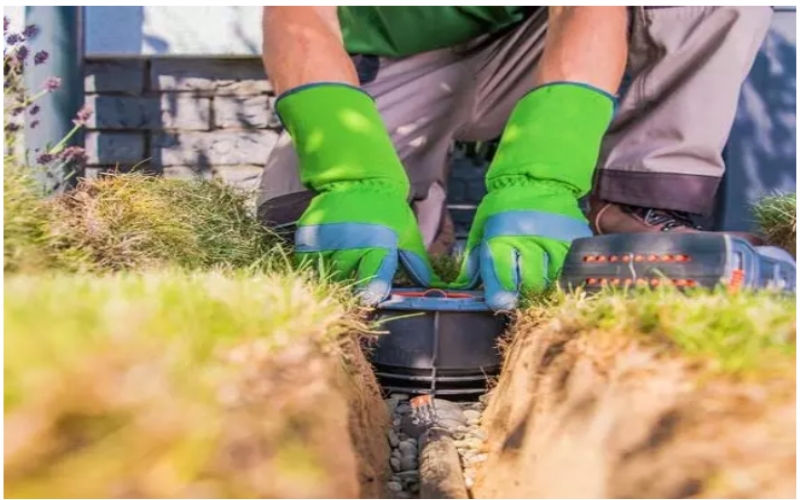
Spring is right around the corner, and so is the perfect time to get your sprinkler system back in action. After months of sitting dormant through harsh winter conditions, your sprinkler system needs proper care and attention to ensure it functions efficiently all season long.
Getting your sprinklers ready for spring is more than just flipping a switch; it requires a careful, step-by-step process to check for damage, clear obstructions, and optimize performance. A smooth spring sprinkler start-up can make all the difference for your lawn irrigation system, helping you save water, avoid costly repairs, and keep your garden thriving.
If you’re looking for a comprehensive guide on spring start ups for sprinklers, you’re in the right place. Follow these expert tips to activate your system properly and set yourself up for a lush, healthy landscape.
Inspecting the System for Damage
The first step in any successful spring sprinkler startup is a thorough inspection of the system. Winter can take its toll on sprinkler heads, pipes, and connections. Addressing any damage early on prevents leaks, inefficiencies, and further complications down the line.
As you prepare your sprinkler system for the spring season, it’s essential to consider the expertise of an American sprinkler company to ensure optimal performance. These professionals can provide valuable insights into the latest irrigation technologies and techniques, helping you maintain a lush and healthy lawn. By leveraging their knowledge, you can address potential issues before they become costly repairs, ensuring your system operates efficiently throughout the season. Whether you’re dealing with complex installations or simple maintenance tasks, partnering with experts can make a significant difference in the longevity and effectiveness of your sprinkler system.
Check Sprinkler Heads
Start by walking around your property to examine each sprinkler head. Look for signs of damage caused by freezing temperatures or impacts from heavy snow.
- Look for cracks or breaks in the heads or casings.
- Ensure sprinkler heads are upright and properly aligned. If they’ve shifted, they might spray unevenly or wastewater.
- Remove dirt and debris that can clog the nozzles and reduce water flow.
Examine Pipes and Connections
Even underground pipes are susceptible to winter damage. Frozen water can expand and lead to cracks or leaks that are often hidden until the system is turned on.
- Inspect visible pipe connections and joints for any signs of leaks or damage.
- If you notice large wet spots on your lawn once you activate the system, you may be dealing with a broken pipe or loose connection.
Troubleshooting Common Issues
Despite careful preparation, you may encounter some common sprinkler system issues during the startup process. Identifying and resolving these problems early can save water, prevent damage, and ensure efficient irrigation throughout the season.
Uneven Water Distribution
If certain areas of your lawn are too dry or overly saturated, your sprinkler system may have uneven water distribution.
- Clogged sprinkler heads are a frequent cause. Clean or replace nozzles as necessary.
- Improper alignment can also result in uneven watering. Make sure each head is correctly positioned and adjusted.
- Check for pressure imbalances that may be causing water to flow unevenly between zones.
Low Water Pressure
Low water pressure can hinder proper irrigation and leave parts of your landscape under-watered.
- Inspect for leaks in pipes or connections, as these are a common culprit.
- Ensure your main shutoff valve and backflow preventer are fully open.
- If pressure issues persist, test the system with fewer zones activated at the same time to ensure your water supply can maintain adequate flow.
Leaking Valves or Broken Components
A leaking valve or broken sprinkler component can quickly escalate into more significant problems.
- Look for standing water near valves or sprinkler heads, as it may indicate a leak.
- Replace any cracked or damaged components immediately to prevent further issues.
- Consider consulting a professional if leaks persist after attempting basic repairs.
Controller Malfunctions
Your timers and controllers play a crucial role in system efficiency, but malfunctions can disrupt watering schedules.
- Double-check the programming settings to ensure they’re correct for the season.
- Replace or recharge the controller’s batteries if it’s not functioning properly.
- If you suspect electrical issues, consult the manufacturer’s manual or an irrigation specialist.
Preparing the System for Activation
Once you’ve confirmed the components are in good shape (or repair any damage), it’s time to prepare your sprinkler system for safe activation. Proper preparation ensures a smooth startup and helps to prevent accidental system overload.
Clear Debris and Obstructions
Winter debris, such as fallen leaves, dirt, and small branches, can block water flow and lead to uneven irrigation zones. Here’s what to do:
- Remove any debris from around the sprinkler heads.
- Clean out filters and screens to avoid clogs.
Flush the System
Before activating the entire system, flush the pipes to remove any dirt or debris that could have settled inside during the off-season.
- Open the valves partially to allow water to flow through the system.
- Run water through each zone for a short period to clear out debris.
- Shut off the water supply after flushing, and check if any heads still appear clogged.
Gradual System Activation
Resist the temptation to start your sprinkler system at full blast. Sudden pressure surges can damage pipes and valves. Instead, activate the system gradually while keeping an eye out for potential problems.
Step-by-Step Activation Process
- Set your main water supply to a low flow rate. Begin by slowly turning the valve to avoid pressure spikes.
- Check one zone at a time. Turn on individual stations to ensure they’re working correctly before proceeding to the next.
- Keep an eye on the water pressure in each zone. Excessive pressure can damage parts of the system.
Check for Leaks and Pressure Issues
- Inspect all sprinkler heads and visible pipes for leaks while the system is on.
- Watch for uneven spray patterns or low water output, as this may indicate a pressure issue or blockage.
- Adjust the pressure regulator if necessary to maintain optimal flow.
Fine-Tuning and Optimization
With your system up and running, it’s time to fine-tune and optimize for maximum efficiency. The goal is to achieve even coverage while minimizing water waste.
Adjust Sprinkler Heads for Optimal Coverage
Small tweaks to your sprinkler heads can make a big difference in how well your system waters your lawn and garden.
- Adjust the spray patterns to avoid watering sidewalks or driveways.
- Ensure head heights are correct to avoid water pooling or misting.
- Replace worn nozzles if needed for better performance.
Set Timers and Controllers for Efficiency
A well-programmed sprinkler controller can take much of the guesswork out of watering. Take advantage of the settings to ensure you’re irrigating effectively.
- Program your system to water early in the morning to reduce evaporation and fungus growth.
- Adjust watering cycles based on seasonal needs. For instance, spring often requires less irrigation than peak summer months.
- Look into smart controllers or rain sensors that can automatically optimize your watering schedule based on weather conditions.
Keep Your Sprinkler System in Top Shape All Season
Congratulations! You’ve completed your spring sprinkler start-up and ensured your system is ready for another season of efficient lawn irrigation. But the work doesn’t stop here—regular maintenance is key to avoiding mid-season breakdowns and inefficiencies.
Monitor your system monthly for clogs, leaks, or misaligned heads, and make updates to your irrigation schedule as temperatures rise. With consistent care, your sprinkler system will keep your lawn and garden healthy while conserving water and saving money.
If you still need help getting your sprinklers ready for spring, consider reaching out to Just Right Sprinklers—the experts in lawn irrigation and system optimization. Our team can inspect, activate, and fine-tune your system to ensure it runs smoothly all season long.
Don’t wait for problems to pop up later. Contact Just Right Sprinklers today and take the hassle out of your spring sprinkler start-up.