Mileage Blockers: Understanding the Key Benefits and Risks
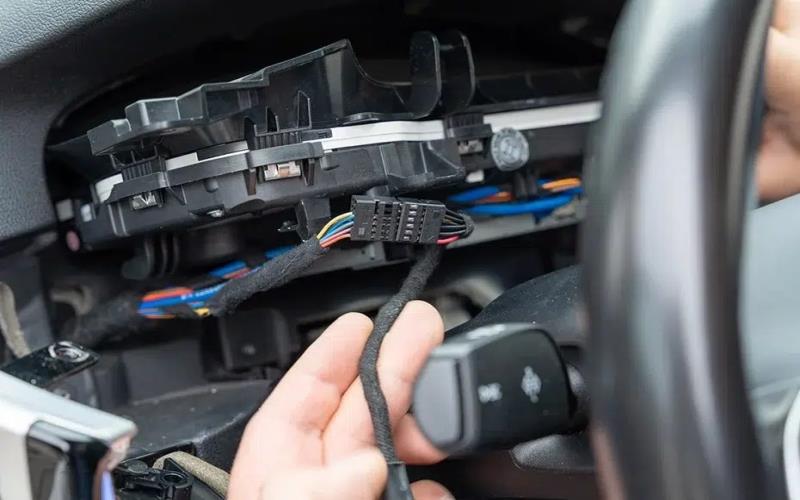
When it comes to managing vehicle mileage, particularly for businesses or car leasing arrangements, one term that often comes up is mileage blockers. This term refers to methods or devices designed to limit or control the amount of mileage a vehicle can accumulate. In the UK, where vehicle leases and fleet management are common, mileage blockers have gained attention due to their potential impact on car contracts and running costs.
What are Mileage Blockers?
Mileage blockers are devices or tools that are used to prevent a car’s odometer from recording excessive mileage. These devices are often installed by individuals or companies seeking to avoid penalties associated with high-mileage clauses in lease agreements. For example, many car lease contracts in the UK have clauses that charge extra fees if the car exceeds a set annual mileage limit.
Mileage blockers essentially “block” the odometer from registering the additional miles, which can seem like a convenient solution to those trying to avoid financial penalties. However, this practice has legal implications, and it is important to consider both the potential benefits and risks before making a decision to use one.
Why are Mileage Blockers Popular in the UK?
The use of mileage blockers has grown in popularity, especially in the UK, where car leasing has become a common option for both businesses and individuals. Many lease agreements in the UK set strict mileage limits, often ranging from 10,000 to 15,000 miles annually. Exceeding these limits can result in hefty fees that may significantly increase the overall cost of the lease.
For businesses with a fleet of vehicles, keeping mileage within the contracted limits is essential for controlling costs. As such, mileage blockers can seem like an attractive option to help businesses avoid paying for excess mileage. They also appeal to individuals who may have underestimated their annual mileage but don’t want to face a financial penalty at the end of their lease term.
The Risks and Legal Issues Surrounding Mileage Blockers
While mileage blockers may appear to be a simple solution, there are significant risks involved, especially when it comes to the legalities of tampering with a vehicle’s odometer. In the UK, tampering with a vehicle’s mileage is considered an offence under the Theft Act 1968. It is illegal to alter, or attempt to alter, a car’s odometer reading with the intent to mislead.
Moreover, using a mileage blocker can have serious implications if the practice is discovered. It can lead to financial penalties, voiding of the lease agreement, and even legal action. In some cases, insurance policies may become invalid if the vehicle’s true mileage is not accurately reported, leading to potential complications in the event of an accident or damage.
It is crucial for anyone considering the use of a mileage blocker UK to be aware of the legal ramifications. Instead of resorting to such devices, it may be more prudent to explore other options for reducing running costs, such as negotiating a higher mileage limit with the lease provider or opting for a more flexible leasing arrangement.
Are Mileage Blockers Worth the Risk?
In conclusion, while mileage blockers can seem like an appealing way to avoid extra fees related to excess mileage, the risks and legal concerns are substantial. The best course of action is always to carefully review lease terms before signing an agreement and to discuss any potential concerns with the leasing provider.
Rather than relying on illegal methods to manage mileage, it is advisable to seek a more transparent solution. This could include setting realistic mileage limits, using mileage tracking tools, or negotiating adjustments to the lease terms.
Click the link below to find out more!