Privacy and Airport Scanners: What Travelers Should Know
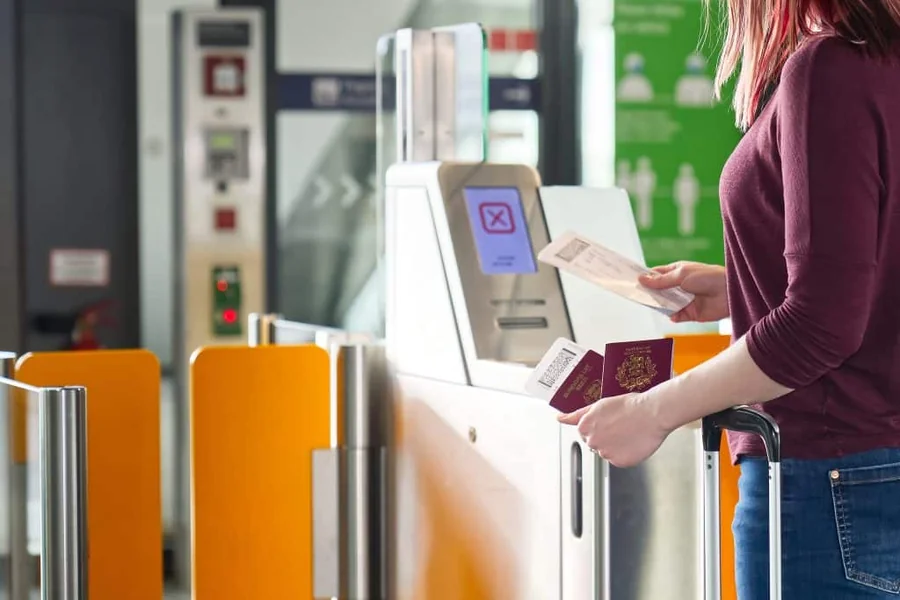
Air travel has always come with its fair share of security checks, but for many modern travelers, full-body scanners can feel like a particularly personal intrusion. As airport security technology evolves, so too do the concerns about what these scanners reveal, how the information is handled, and what rights passengers have. If you’re someone who has ever felt uneasy stepping into one of those scanners, you’re not alone—and you’re not without options. Let’s take a closer look at how an airport scanner machine works, what they actually see, and how your privacy is protected.
What Do Airport Scanners Actually See?
One of the most common concerns travelers express is: “Can they see me naked?” The good news is no—today’s scanners are designed to spot threats, not embarrass you. Most U.S. airports use millimeter wave scanners, which generate a generic, computer-generated outline of the human body. These images are designed to highlight any unusual objects or substances without revealing any anatomical detail.
Older backscatter X-ray machines, which were more controversial due to their ability to produce more realistic body images, have largely been phased out in favor of the newer, more privacy-conscious models. In fact, TSA policy now mandates that all scanners used for primary screening display only generic outlines. No actual photographs or detailed visuals of your body are produced or saved.
Are the Images Stored or Shared?
This is another question that understandably comes up. It might feel like once you step into that machine, your personal image could be floating out into cyberspace. However, the scanners used at U.S. airports are not capable of storing, printing, or transmitting images. TSA policy strictly prohibits saving any images, and the technology used is intentionally designed without those capabilities. It’s a closed-loop system, reviewed in real-time by security officers, and then automatically deleted.
In fact, when backscatter scanners were still in use, one of the main reasons they were phased out was due to public outcry over privacy. This led to updated legislation and policy changes requiring scanners to preserve anonymity and prevent image retention.
Your Right to Opt Out
Did you know you can say no to the scanner? TSA regulations allow travelers to opt out of full-body scanning if they’re uncomfortable for any reason—whether it’s privacy, health, religious beliefs, or personal preference. If you choose to opt out, you will undergo a pat-down conducted by a TSA officer of the same gender, and you can request that it be done in a private screening area.
While some travelers may find the idea of a pat-down equally invasive, others prefer it over going through a scanner. It’s a personal decision, and you are well within your rights to choose the screening method that makes you most comfortable.
Special Considerations for Certain Travelers
Children, seniors, individuals with disabilities, and travelers with medical devices often have unique needs when it comes to airport scanners. TSA agents are trained to accommodate these needs respectfully. For example, people with pacemakers or insulin pumps can request alternate screening methods to avoid interference with their devices.
If you’re traveling with medical concerns or devices, it’s a good idea to let the TSA officer know in advance. Carry documentation from your doctor if you anticipate any issues, and don’t hesitate to speak up if you feel uncomfortable. Transparency and communication go a long way in easing the process.
International Scanner Policies May Differ
While U.S. airports operate under TSA guidelines, airport scanners around the world can vary in their technology and privacy practices. Some countries may still use older backscatter models, and privacy laws might not be as strict. When traveling internationally, it’s wise to do a bit of research about the destination airport’s policies or be prepared to request an alternate screening method if needed.
Different countries also handle opt-out procedures differently. In some cases, refusing a scan might lead to additional scrutiny or even denial of boarding, depending on local regulations. It’s always better to be informed than surprised.
How to Stay Informed and Empowered
The key to protecting your privacy while flying is understanding your rights and staying informed. TSA’s official website offers clear, updated information about screening processes, scanner technology, and passenger rights. You can also contact TSA Cares, a helpline for travelers with questions or special needs related to security screening.
Another helpful tip: arrive at the airport early. If you do choose to opt out or request additional accommodations, giving yourself extra time will help reduce stress and ensure you’re not rushed through the process.
Navigating Airport Scanners with Confidence
It’s natural to feel a little uneasy when passing through airport security, especially when scanners are involved. But once you understand how they work, what they see (and don’t see), and how your privacy is safeguarded, the process feels a lot less intimidating. Remember, you always have options—and the right to a respectful, private, and secure screening experience.
Whether you’re a frequent flyer or heading out for your once-a-year vacation, knowing what to expect at the scanner can turn an awkward moment into just another step on the way to your gate. Your journey begins with confidence, and being informed is the best travel companion you can have.