Setting the Right Crossover Frequency for Enhanced Bass
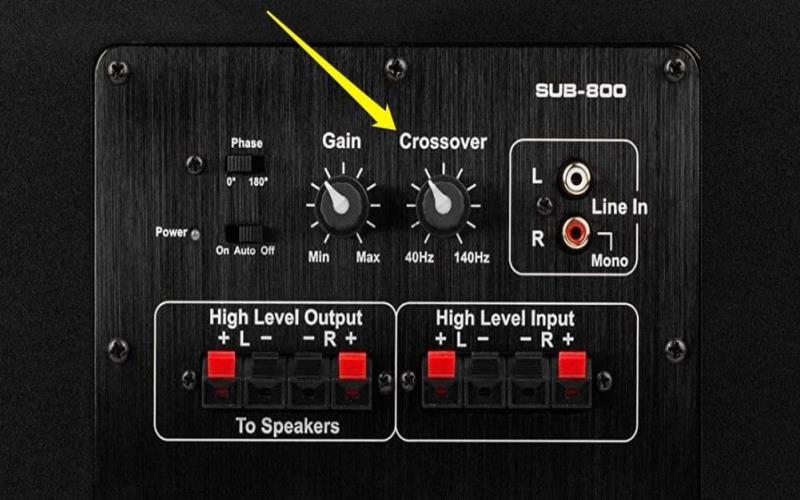
Introduction to Crossover Frequency
Imagine feeling the deep thump of a bass guitar or the rumble of an explosion in your favorite movie. The secret to getting that perfect sound lies in understanding and setting the right crossover frequency. This blog post aims to demystify the concept of crossover frequency, showing you how it can significantly enhance your audio experience. Whether you’re an audiophile, a home theater enthusiast, or a music producer, mastering this skill will elevate your sound game.
The Role of Crossover Frequency in Audio Systems
How it Affects Sound Quality and System Performance
Crossover frequency is a crucial component in any audio system. It determines how different frequencies are divided between your speakers and subwoofers. When set correctly, the crossover frequency ensures that each speaker handles the range of frequencies it’s best suited for. This results in a more balanced and clear sound.
Having the right crossover frequency can dramatically improve your car subwoofer‘s performance by minimizing distortion and enhancing bass. It also helps in attaining a seamless blend between your speakers and subwoofer, ensuring that neither overpowers the other.
The Ministry of Bass, a renowned authority in the audio world, emphasizes the importance of correct crossover settings. According to their experts, proper crossover frequency settings can make a world of difference in your audio setup’s overall performance.
Factors to Consider When Setting Crossover Frequency
Speaker Specifications
The first step in setting the crossover frequency is understanding your speaker specifications. Each speaker has a range of frequencies it can handle efficiently. Knowing these specifications will help you set a crossover frequency that optimizes your system’s performance.
Room Size
The size of your room also plays a significant role. Larger rooms may require a different crossover setting compared to smaller spaces. The acoustics of the room can affect how sound waves travel, making it essential to adjust the crossover frequency accordingly.
Listening Preferences
Finally, your personal listening preferences should guide your settings. If you prefer a bass-heavy sound, you might set a lower crossover frequency for your subwoofer. On the other hand, if you enjoy a balanced sound, you’ll need to fine-tune the settings to achieve that.
Step-by-Step Guide to Setting the Right Crossover Frequency
Practical Tips for Different Types of Audio Systems
- Identify Frequency Ranges:
Start by identifying the frequency ranges your speakers and subwoofers are designed to handle. Most subwoofers, like those from the Ministry of Bass, are optimized for frequencies below 80Hz.
- Use a Sound Level Meter:
A sound level meter can help you measure the output at different frequencies. This will give you a clear idea of where the crossover point should be.
- Adjust Settings on Your Receiver or Amplifier:
Most modern receivers and amplifiers allow you to adjust the crossover frequency. Start with a standard setting, like 80Hz, and tweak it based on your listening tests.
- Test and Listen:
Play various music and audio content to see how the settings perform. Listen for any distortion or gaps in the sound and make adjustments as needed.
The Impact of Correct Crossover Frequency
Enhanced Bass Response
Setting the right crossover frequency can greatly enhance the bass response in your audio system. You can achieve a deeper and more impactful bass by ensuring that only the appropriate frequencies are sent to your subwoofer.
Overall Audio Experience
A correctly set crossover frequency doesn’t just affect the bass; it impacts the entire audio spectrum. You’ll notice clearer mids and highs, creating a more immersive and enjoyable listening experience. The Ministry of Bass recommends revisiting your crossover settings periodically to adapt to any changes in your audio environment.
Conclusion
Understanding and setting the right crossover frequency is essential for anyone serious about their audio experience. Whether you’re fine-tuning a car subwoofer or optimizing a home theater system, the steps outlined in this guide will help you achieve the best possible sound.