Simple Tips for Choosing the Right Flooring
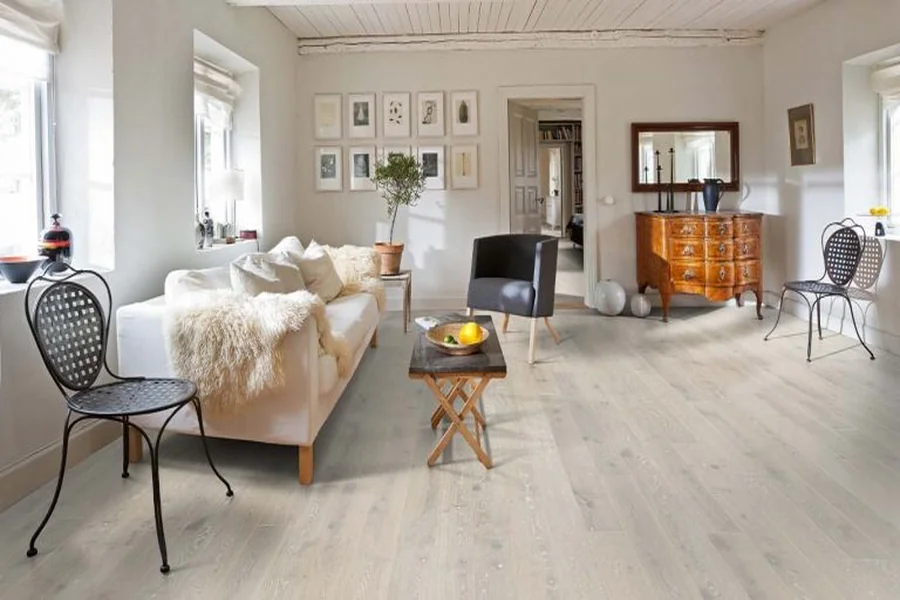
Before falling in love with a specific look or texture, take a moment to think about how your space is actually used. Have kids or pets running around all day? You’ll want something that can take a hit without showing every scratch. Got a quiet household with mostly adults? You have more freedom to lean toward materials that are stylish but slightly more delicate.
Durability isn’t the only factor here. If you’re someone who likes to walk around barefoot, comfort underfoot matters. Some materials feel warmer or softer, while others—like polished concrete or certain types of tile—can be harder and colder. Think about cleaning habits, too. Some floors hide dust and dirt better than others, and some need a lot more upkeep to stay looking good.
Don’t Ignore What’s Underneath
One often-overlooked detail is your subfloor. Whether you’re dealing with concrete, plywood, or something older and uneven, it affects what types of flooring you can use. For example, solid timber isn’t always the best match for a moisture-prone area, while engineered boards or vinyl might hold up better in that situation.
Levelness matters, too. Some floors are more forgiving when it comes to minor bumps or dips, but others need a super flat surface. If your subfloor needs work, budgeting for that upfront saves headaches later.
When considering flooring options for commercial spaces, durability and maintenance are key factors. High-traffic areas demand materials that can withstand wear and tear while maintaining their aesthetic appeal. To ensure your flooring choice meets these requirements, it’s essential to explore various protective solutions. For instance, you can get details on commercial coatings that offer enhanced durability and resistance to damage. These coatings not only extend the life of your flooring but also simplify cleaning and maintenance, making them an ideal choice for busy environments. By investing in the right protective measures, you can preserve the beauty and functionality of your floors for years to come.
Style Matters—But So Does Consistency
It’s easy to fall for a bold pattern or trendy finish, but ask yourself whether it will still look good a few years from now—and whether it flows with the rest of your home. Changing the flooring in just one room? Consider how it connects to the spaces around it. Abrupt transitions between very different materials can be jarring.
Natural tones and wood-look options tend to age well and blend easily with changing decor. That said, don’t be afraid of personality. Just aim for balance. One statement space can be great—five clashing floor types might not be.
Pick The Right Material For Your Space
Each flooring type has pros and cons, and some are better suited to specific rooms. Kitchens, bathrooms, and entryways usually need something moisture-resistant, like tile, vinyl, or sealed stone. Living rooms, bedrooms, and hallways can be more flexible.
Timber flooring brings warmth and character, and it’s a popular choice for a reason. If you’re looking for a quality supplier or installer, you might want to check out trusted options for timber flooring in Sydney. Engineered timber is also a smart alternative—it gives the look of real wood with better stability in changing climates.
Laminate and vinyl have come a long way, too. If you haven’t looked at them in a while, you might be surprised by how realistic and stylish they’ve become. They’re often more budget-friendly and low-maintenance, making them great for rentals or high-traffic homes.
Understand How Much Maintenance You’re Signing Up For
Some floors look fantastic when freshly installed, but start to show wear quickly without proper care. Do you really want to polish, reseal, or steam clean regularly? Or would something low-fuss suit your schedule better?
Natural stone can last a lifetime, but may need sealing. Real timber might require sanding and refinishing down the line. On the flip side, materials like hybrid flooring or vinyl usually just need a regular sweep and mop to stay in shape.
This is also a good moment to think about furniture. Heavy couches or chairs with sharp feet can dent or damage softer materials. Rug pads and protective caps can help, but it’s best to match your flooring choice to how you actually live.
Budget For The Whole Project, Not Just The Floor
It’s easy to get caught up comparing price tags per square metre, but remember that installation, underlay, trim, and potential repairs to the subfloor all factor into the total. Going a little over budget on a durable option that will last for years can often save money long term.
If you’re still deciding between styles or materials, it helps to read up on how to compare different flooring types. Getting clear on the benefits and trade-offs can help you avoid second-guessing your decision later.
Check Samples In Your Space
Lighting makes a big difference. A colour that looks perfect under store lighting might read totally differently in your home. Order or borrow samples and place them around the room at different times of day. This small step helps you avoid surprises once the floor is down.
Also, test how they feel underfoot and how easily they scratch or stain. You might even try a spill test on something similar to what you’re considering.
Final Thoughts
Choosing flooring isn’t just about looks—it’s about how you live, what you value in your space, and how much time you want to spend maintaining it. A little planning up front goes a long way toward a choice you’ll be happy with every day. Whether you’re going for timeless timber or exploring newer options, the best floor for you is the one that feels right in your home.