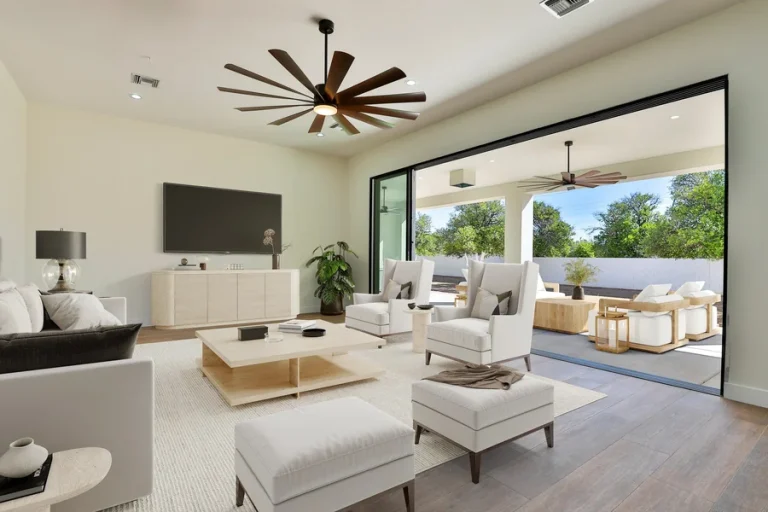
The Art of Less: Embracing Minimalism in Home Interior Design

In an era where our lives are increasingly cluttered with possessions, notifications, and endless choices, minimalism in interior design offers a refreshing antidote. This design philosophy, rooted in the principle that “less is more,” has transformed countless homes into serene sanctuaries that prioritize function, beauty, and peace of mind over material excess.
Understanding Minimalist Design Philosophy
Minimalism isn’t simply about having fewer things—it’s about being intentional with every element in your space. This design approach emerged from Japanese aesthetics and Scandinavian design principles, emphasizing clean lines, open spaces, and purposeful selection of furnishings. The goal is to create environments that feel spacious, calming, and free from visual noise that can overwhelm our senses.
At its core, minimalist interior design focuses on three fundamental principles: simplicity, functionality, and harmony. Every piece of furniture, every color choice, and every decorative element serves a purpose and contributes to the overall sense of tranquility in the space.
The Psychology Behind Minimalist Spaces
Research consistently shows that our physical environment directly impacts our mental well-being. Cluttered spaces can increase cortisol levels, leading to stress and anxiety, while organized, minimal environments promote clarity of thought and emotional balance. When we reduce visual distractions in our homes, we create space for our minds to rest and recharge.
Minimalist interiors also encourage mindfulness by forcing us to be selective about what we bring into our living spaces. This conscious curation process helps homeowners develop a deeper appreciation for quality over quantity, leading to more sustainable consumption habits and greater satisfaction with their possessions.
Essential Elements of Minimalist Interior Design
Color Palettes That Breathe
Minimalist design typically employs neutral color schemes dominated by whites, grays, beiges, and soft earth tones. These colors create a sense of spaciousness and allow natural light to bounce freely throughout the room. However, minimalism doesn’t mean monotony—subtle variations in texture and tone can add depth and interest without overwhelming the space.
Strategic use of a single accent color can provide visual interest while maintaining the overall sense of calm. Whether it’s a deep navy blue, forest green, or warm terracotta, one carefully chosen hue can anchor the space and reflect the homeowner’s personality.
Furniture Selection and Placement
In minimalist design, furniture serves dual purposes: functionality and aesthetic appeal. Pieces should be well-crafted, timeless, and versatile. Multi-functional furniture is particularly valuable—ottomans with hidden storage, dining tables that extend when needed, or sofas that convert to guest beds.
Furniture placement is equally important. Pieces should be arranged to promote easy movement and conversation while maintaining visual balance. The key is to leave plenty of open floor space, which creates the illusion of a larger room and contributes to the overall sense of calm.
The Power of Natural Light
Natural light is perhaps the most crucial element in minimalist design. Large windows, light-colored walls, and strategically placed mirrors help maximize the available light, making spaces feel larger and more inviting. Incorporating décor elements such as printing oversized photos can also enhance the sense of openness without adding clutter. When artificial lighting is necessary, choose fixtures that are both functional and sculptural, serving as artistic elements while providing illumination.
Texture and Materials
While minimalist spaces may appear simple, they rely heavily on texture and material quality to create visual interest. Natural materials like wood, stone, linen, and wool add warmth and depth to otherwise neutral spaces. The contrast between smooth and rough textures, matte and glossy finishes, can create compelling visual dynamics without adding clutter.
Practical Tips for Achieving Minimalist Interiors
Start with Decluttering
The journey to minimalist interiors begins with honest assessment of your current possessions. Sort through items room by room, keeping only those that serve a purpose or bring genuine joy. This process can be emotionally challenging but is essential for creating the clean slate that minimalist design requires.
Invest in Quality Storage Solutions
Minimalism doesn’t mean living without necessities—it means finding elegant ways to store them. Built-in storage, under-bed containers, and furniture with hidden compartments help maintain clean lines while keeping everyday items organized and accessible.
Choose Statement Pieces Wisely
In a minimalist space, each item receives more attention, so choose statement pieces that truly reflect your style and values. A single piece of striking artwork, a beautifully crafted dining table, or an architectural light fixture can serve as the focal point for an entire room.
Embrace Empty Space
One of the most challenging aspects of minimalist design for many homeowners is learning to appreciate empty space. Resist the urge to fill every corner or wall surface. Empty space is not wasted space—it’s breathing room that allows the eye to rest and the mind to relax.
Minimalism Across Different Rooms
Living Areas
Focus on comfortable seating arranged for conversation, with a simple coffee table and minimal decorative objects. Large windows or sliding doors that connect to outdoor spaces enhance the sense of openness.
Bedrooms
Keep bedrooms particularly sparse, with quality bedding in neutral tones, minimal furniture, and blackout capabilities for better sleep. A single piece of artwork or a small plant can add personality without creating visual chaos.
Kitchens
Minimalist kitchens emphasize clean lines, hidden storage, and high-quality appliances. Keep countertops clear except for daily essentials, and choose cabinetry that blends seamlessly with the walls.
The Local Touch
When implementing minimalist design principles, it’s valuable to work with professionals who understand both the philosophy and local preferences. Black Pebble Designs, top interior designers in Mangalore, exemplify how minimalist principles can be adapted to create stunning interiors in Mangalore that reflect both international design trends and regional sensibilities.
Conclusion
Minimalism in interior design offers more than aesthetic appeal—it provides a pathway to more intentional, peaceful living. By focusing on quality over quantity, function over decoration, and space over stuff, minimalist interiors create environments that support both physical comfort and mental well-being. The result is a home that serves as a true sanctuary, free from the chaos of the outside world and perfectly suited to the rhythms of modern life.