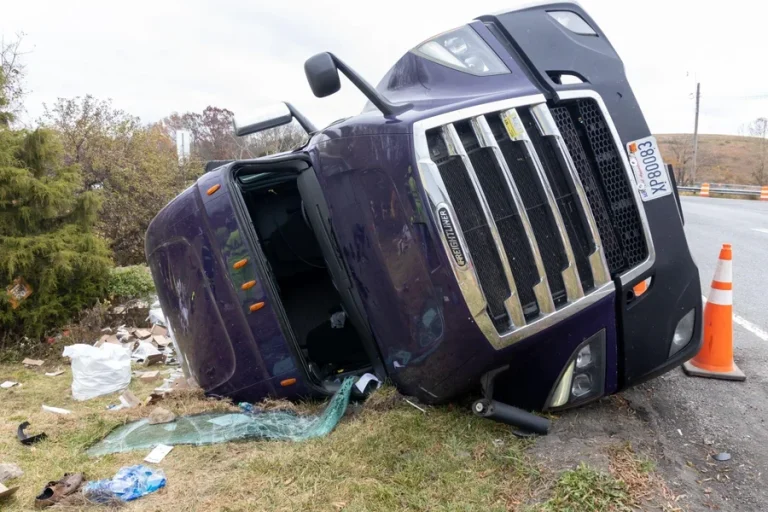
Steps to Take After a Drunk Driving Accident
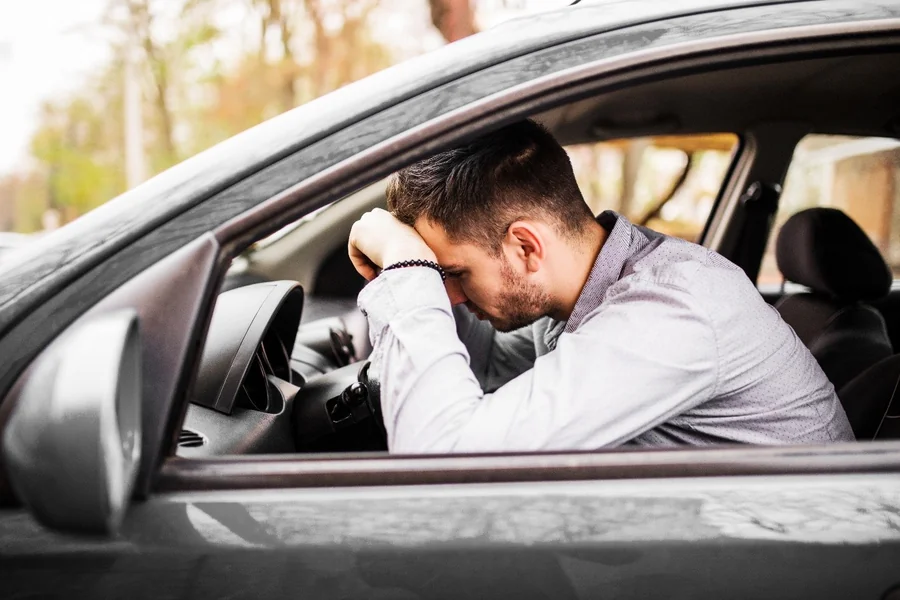
After a drunk driving accident, the most important thing is to act quickly and carefully to protect your health, preserve evidence, and secure your legal rights.
Most legal professionals agree that following clear steps, such as seeking medical care, reporting the accident, documenting evidence, and consulting legal help, can significantly improve your chances of receiving fair compensation.
In situations involving drunk driving accidents, taking the right steps early on can strengthen your claim, prevent costly mistakes, and ensure that your case is handled properly from the start.
In this article, here are the essential steps you can take after a drunk driving accident, along with how legal support can help you move forward effectively.
Key Steps You Can Take After a Drunk Driving Accident
- Ensure Safety and Call Emergency Services: Your priority should be safety. Move to a safe location if possible and call 911 immediately. Emergency responders will provide medical assistance and ensure the situation is under control.
- Seek Immediate Medical Attention: Even if you feel fine, get checked by a medical professional. Injuries such as whiplash, internal bleeding, or concussions may not show symptoms right away. Medical records also serve as important evidence later.
- Report the Accident to the Police: In drunk driving cases, police involvement is critical. Officers will assess the situation, conduct sobriety or breath tests, and create an official report that plays a key role in your claim.
- Gather Evidence at the Scene: If you are able, collect as much information as possible. Take photos of the vehicles, road conditions, license plates, and injuries. Also, gather contact details of witnesses and note any signs of intoxication from the other driver.
- Consult a Lawyer as Early as Possible: Early legal guidance helps protect your rights, ensures proper handling of evidence, and prevents mistakes that could weaken your claim.
- Exchange Information Carefully: Obtain the other driver’s name, contact details, insurance information, and vehicle details. Avoid discussing fault or making statements that could be used against you later.
- Notify Your Insurance Company: Report the accident promptly, but provide only factual information. Avoid giving recorded statements or accepting quick settlements without a proper understanding.
- Keep Records of All Expenses and Communications: Maintain a file of medical bills, repair costs, prescriptions, and any communication related to the accident. This documentation is essential for calculating damages.
How a Lawyer Can Help After a Drunk Driving Accident
Legal support becomes especially important in drunk driving cases due to their complexity and the involvement of both criminal and civil proceedings.
- Investigating the Case Thoroughly: Lawyers collect and analyze evidence such as police reports, breathalyzer results, medical records, and witness statements to establish clear liability.
- Handling Insurance Negotiations: Insurance companies often try to minimize payouts. An attorney ensures that your claim is presented strongly and that you are not pressured into accepting less than you deserve.
- Calculating Full Compensation: They assess all damages, including medical expenses, lost income, future treatment, and emotional distress, ensuring nothing is overlooked.
- Using Criminal Case Evidence to Strengthen Your Claim: Since drunk driving is a criminal offense, findings from the criminal case can support your civil claim.
- Representing You in Court if Necessary: If a fair settlement is not reached, your lawyer will present your case effectively in court and advocate for maximum compensation.
Key Takeaways
- Follow clear steps immediately after the accident to protect your rights.
- Seek medical care and report the incident without delay.
- Collect and preserve as much evidence as possible.
- Legal support helps handle insurance and strengthen your claim.
- Acting early improves your chances of fair compensation.