The Moment a Home Starts Aging and What Replacing a Window Reveals About It
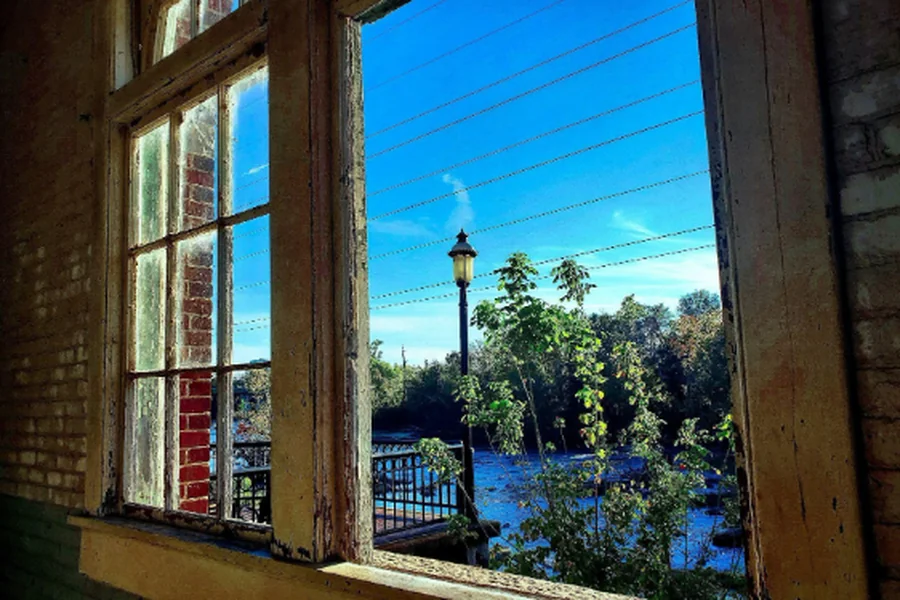
Most people think a home ages all at once, like a slow fade. But it rarely works that way. A home ages in small, specific places. A hinge that loosens. A draft that appears. A sound you start hearing that you never heard before. The real story of a house is written in tiny malfunctions that homeowners learn to ignore until they become impossible to unsee.
Windows are often the first place this happens. They stick. They fog. They let in cold air. They warp just enough that you pretend it is nothing, even though you feel the difference every morning. At first you tell yourself it is seasonal. Then you blame the weather. Eventually you accept what you already knew. The house is telling you something has shifted.
This is the strange truth about replacing a window. It is less about the window and more about recognizing the moment when a home stops holding itself together the way it used to.
Here is the quiet reality of what window replacement really means, and why it becomes the turning point in how people care for their homes.
A Window Is Not Just a Viewpoint. It Is an Indicator.
Windows are where the inside world meets the outside one. They carry the burden of temperature, wind, light, humidity, and time. When a window starts to fail, it signals that the home is entering a new phase.
The signs are subtle:
- condensation between panes
- a slight rattle on windy nights
- hairline cracks in the trim
- fading sunlight where it once felt warm
- drafts that appear slowly
- frames that do not close cleanly
People try to treat these issues like isolated inconveniences. They are not. They are the visible symptoms of aging architecture.
A failing window tells you the home wants intervention.
Replacing a Window Is a Confrontation With Reality
Most upgrades are optional. A new couch. A better appliance. A different paint color. They let you pretend you are improving the home when you are only decorating it.
Replacing a window is different. It forces you to acknowledge that the house is aging structurally. It demands attention. It does not ask for permission.
People delay window replacements because it feels like admitting something is slipping out of their control. The house is no longer the version of itself they first moved into. But the longer they wait, the more the home pushes back. Drafts grow. Energy bills climb. Noise increases. Rooms lose their balance.
Eventually the replacement is not a choice. It is a necessity.
A New Window Changes More Than People Expect
When homeowners finally replace a window, they are always surprised by how much the house changes. Not small aesthetic changes. Foundational ones.
Temperature
The room suddenly holds warmth. Or releases heat. The air feels balanced in a way it has not for years.
Light
Sunlight becomes clearer. The color of the room shifts subtly. Shadows fall in cleaner patterns.
Silence
Noise drops. Traffic dulls. Moments feel quieter. The house regains control over its environment.
Air Quality
Ventilation improves. The room stops feeling stale. The space breathes again.
A window is not a passive object. It is one of the most active systems in the home. Replacing it restores the home’s ability to regulate itself.
Homeowners Think They Are Replacing a Window. They Are Replacing a Feeling.
Every home has a moment when it stops feeling effortless. You start adjusting the thermostat more often. You avoid sitting near certain spots because of drafts. You wake up knowing something about the house feels different even if you cannot explain it.
Replacing a window is how homeowners get that ease back. It resets the equilibrium. It gives the home back its internal rhythm. It restores the sense that the house is still working with you instead of against you.
The change is physical, but the impact is psychological.
The Window Sets the Tone for the Entire Room
Interior design focuses on surfaces. Paint. Furniture. Rugs. Decor. All of that matters, but none of it works properly if the window is wrong.
A failing window distorts the room:
- the paint looks dull
- fabrics fade
- plants struggle
- furniture wears unevenly
- humidity lingers
- air stagnates
The room never feels fully alive.
A new window corrects the behavior of the entire space. Everything becomes easier to maintain. Homeowners often describe the change as the room “clarifying.”
Light Is the Currency of a Home
People underestimate natural light because they are used to living without enough of it. Fogged glass, old coatings, and failing seals reduce clarity gradually. The dimming is slow enough that you do not notice until you remove the problem.
Replacing a window often feels like someone increased the wattage of the sun.
Light defines mood. It defines color. It defines whether a room feels open or cramped. Good windows deliver clean light without glare. They frame the outside world clearly. They filter the day in a way that feels intentional.
Most people realize how much they were missing only after the upgrade.
Energy Efficiency Is the Practical Side of Beauty
People talk about window design, but the real value is invisible. Modern windows solve problems that older homes simply cannot adapt to:
- temperature retention
- proper insulation
- reduced strain on HVAC
- moisture control
- controlled airflow
These things do not photograph well, but they are the foundation of a functional home. Energy efficient windows reduce the cost of living while improving comfort, and they do it without demanding attention.
A low maintenance improvement that alters the entire daily experience is rare. A good window does exactly that.
Replacing One Window Often Leads to Replacing Many
Not because homeowners get carried away, but because they realize how much the rest of the house was compensating for weak points. The moment one window is replaced, the difference is so obvious that the others become impossible to ignore.
Homes reveal their age unevenly. Replacing a single window exposes the rest.
People do not upgrade windows because they want uniformity. They upgrade because they discover that comfort is contagious. Once one room feels right, they want the others to match.
The Exterior Integrity of the Home Improves Too
A new window does not just fix the inside. It strengthens the outside. Poor seals invite moisture, which invites rot. Rot becomes structural problems. Structural problems become expensive.
Modern windows prevent this. They protect framing. They keep water outside. They stop deterioration before it begins.
Replacing a window is not cosmetic. It is preventative care.
Homeowners Choose Windows Based on Lifestyle, Not Trends
The best window choices are not about style. They are about how the home is lived in.
- Picture windows for stillness.
- Casement windows for airflow.
- Sliding windows for simplicity.
- Awning windows for weather flexibility.
- Bay windows for space and perspective.
Each choice shapes the daily environment. Trends fade. Function remains.
Choosing the Right Supplier Matters More Than the Frame Shape
A window is only as good as the company that builds it. Homeowners looking for durability, performance, and craftsmanship often choose brands that design with climate, longevity, and energy efficiency in mind.
The Home You Want Starts With the Windows You Choose
People think foundations define a home. They do. But windows define the experience of living inside it.
A home with good windows feels calm. It holds temperature. It filters light. It protects peace. It supports the routines that make life manageable. It feels grounded.
Replacing a window is not glamorous. It is not decorative. It is not a project you show off to guests. But it is one of the few upgrades that changes the house at the level that actually matters.
It gives the home back its clarity.
It gives you back the feeling that the space is still yours.