
Tips for Supporting Communication Development in Children
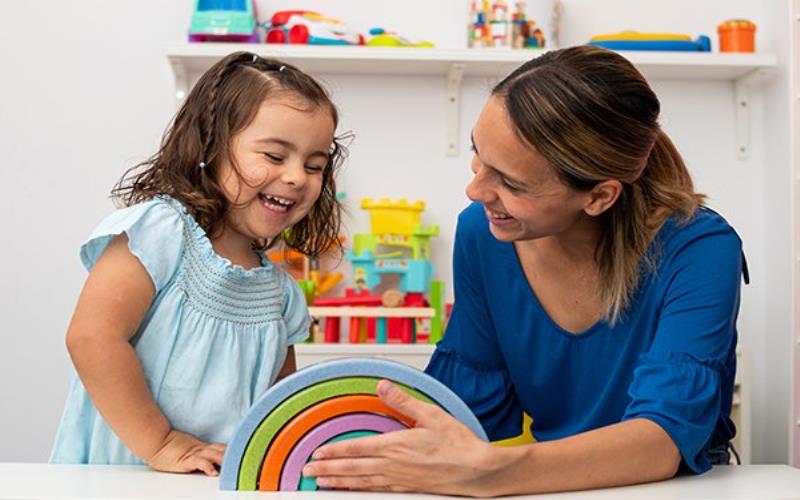
Helping children develop strong communication skills is a goal shared by parents, educators, and caregivers. Communication is the foundation for expressing thoughts, building relationships, and navigating daily life. Understanding how to encourage this growth through intentional strategies can make a significant difference. Here are some actionable tips to foster better communication skills in children at any stage of development.
Encourage Everyday Conversations
Everyday moments are opportunities for learning. Whether during meals, playtime, or errands, engaging in meaningful dialogue helps children expand their vocabulary and comprehension. Open-ended questions are particularly effective. Instead of asking, “Did you like the book?” try, “What was your favorite part of the story, and why?” Such questions invite detailed responses and encourage children to think critically about their experiences. Additionally, responding with interest and enthusiasm reinforces the idea that their thoughts and opinions are valued, further boosting their confidence in communication.
Read Together Regularly
Reading aloud is one of the most powerful tools for promoting language and communication development. It introduces new words, sentence structures, and ideas in an enjoyable format. Selecting age-appropriate books that challenge yet captivate young minds ensures steady progress. Make reading interactive by discussing the storyline, characters, and illustrations to keep your child engaged and curious. Asking follow-up questions like, “What do you think will happen next?” encourages them to predict outcomes and express their thoughts creatively. Establishing a daily reading routine also fosters a love for learning that can extend into other areas of life.
Incorporate Play-Based Learning
Play is a natural and effective way for children to learn about communication. Activities like role-playing, storytelling, and games that require verbal interaction build social skills and confidence. For instance, setting up a pretend store or restaurant lets children practice language through imaginative scenarios, expanding their ability to articulate ideas and needs. Simple board games that involve taking turns and communicating strategies can also teach children patience and cooperation while enhancing their language skills in an enjoyable way.
Model Effective Communication
Children often imitate the adults around them. By modeling clear, patient, and expressive communication, you provide a blueprint for them to follow. Demonstrate how to take turns in conversations, listen attentively, and respond thoughtfully. These practices encourage children to mirror these behaviors in their own interactions. Positive reinforcement, such as praising their efforts to express themselves, can further motivate them to improve their skills.
Speech therapy services are valuable for families seeking additional support. Professionals specializing in speech therapy in Adelaide can address specific challenges, such as speech delays or articulation difficulties, using tailored approaches that fit each child’s unique needs. Accessing such expertise can provide children with tools and strategies to overcome hurdles, boosting their confidence and overall development.
Utilize Technology Mindfully
While screen time should be moderated, educational apps and tools can complement traditional methods of learning. Interactive language apps and videos designed for children can make communication practice engaging and fun. Supervision is essential to ensure children use high-quality resources that align with developmental goals. Pairing technology with real-world practice reinforces learning and helps children connect what they’ve learned digitally with their everyday interactions.
The Importance of Sleep for Cognitive Growth
Sleep plays a crucial role in a child’s ability to process and retain information. A well-rested brain is better equipped for learning, memory retention, and effective communication. Establishing consistent sleep routines ensures children are prepared to absorb and apply the lessons they encounter each day. Proper sleep hygiene, such as reducing screen time before bed and creating a calming nighttime environment, can significantly impact their ability to focus and communicate effectively.
Building strong communication skills is a journey that benefits from patience, practice, and support. By incorporating these strategies, parents and caregivers can create a nurturing environment that helps children thrive. Every effort contributes to laying the foundation for a lifetime of meaningful interactions and opportunities.


