Tips To Taming Rough Terrain Gardens
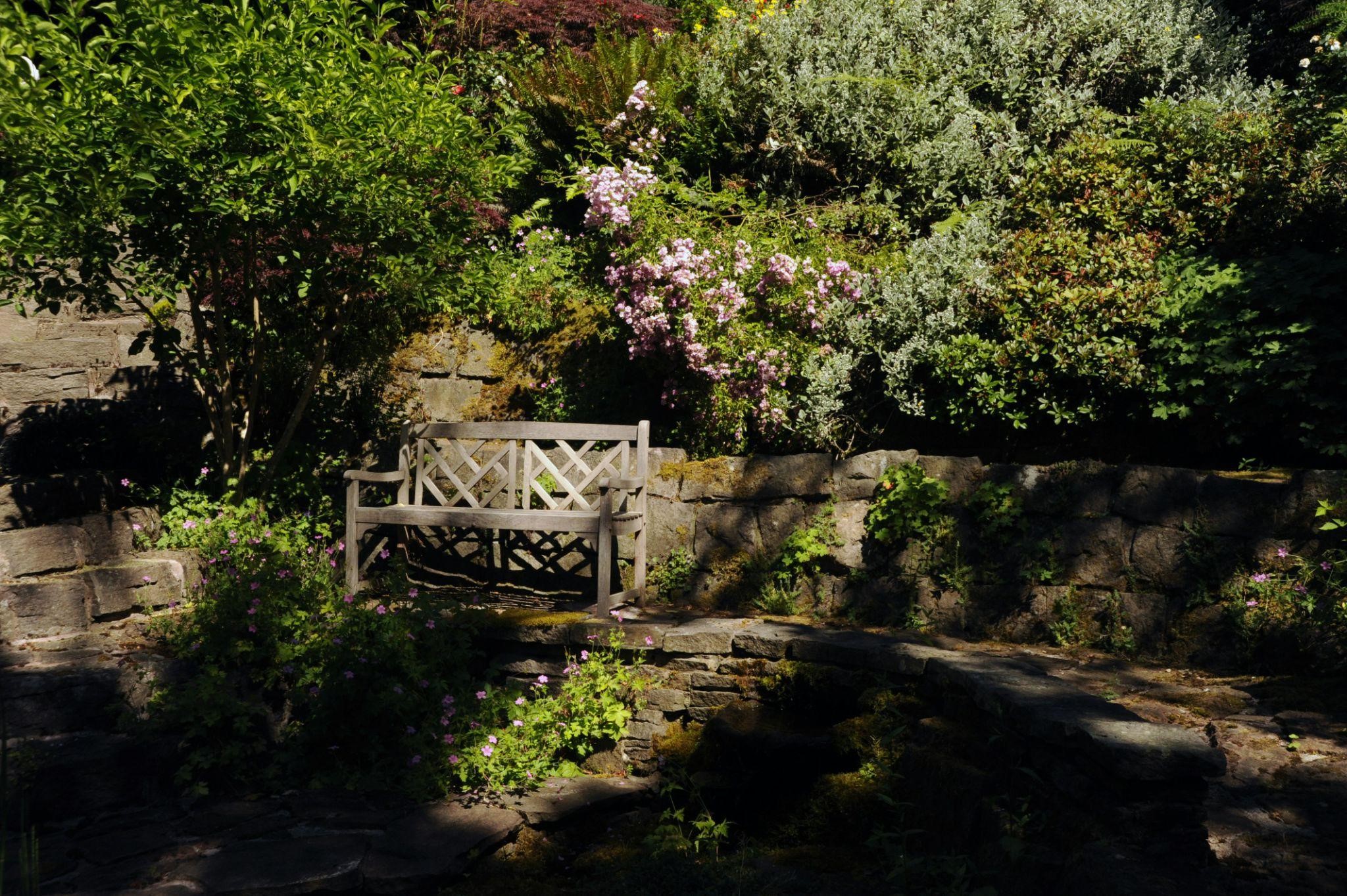
Gardening on rough terrain can be exhausting, but it offers unique opportunities to create breathtaking landscapes.Slopes, rocks and uneven ground can be very challenging, but with strategic approaches that are implemented wisely they can become beautiful outdoor spaces. In this blog, we will look at a few tips on how you can turn a challenging garden into one full of life and beauty.
Understand Your Terrain
Every garden tells its own tale, so the important thing to creating a manageable landscape begins by first understanding your terrain. Survey it thoroughly. Are there inclines, depressions, rocky patches or areas prone to erosion? Gaining knowledge about soil type, sun exposure and natural drainage is also important in making design choices as these will determine which plants grow best in your environment.
Test Your Soil
Uneven gardens often come with unpredictable soil quality. A soil test kit will enable you to easily measure pH levels, nutrient composition and type, be it clay, sandy or loamy. With this information you can then decide whether amendments such as compost, organic matter or soil conditioners may be needed to enhance the fertility and plant growth.
Build Terraces for Steep Slopes
If your garden resembles a small hillside, terraces may be your solution. When you create small retaining walls from materials like rocks, timber, or concrete blocks you can create flat planting beds while also preventing soil erosion. Terracing also adds structure and creates an appealing multi-dimensional aesthetic in the form of its visual impact on your garden.
Add Practical Steps
For sloped gardens, create natural steps using materials like stone slabs, treated wood or gravel to make going through your garden easier. It will also add an architectural feature that turns it into a practical yet visually appealing space.
Choose Plants That Grow in Tough Conditions
Rough terrain gardens call for tough plants that can handle difficult environments. Native varieties are an excellent option since they’ve already adapted to growing in your region’s climate and soil conditions, like creeping thyme or sedum that help stabilize slopes while adding volume and structure in rocky regions like Juniper bushes do.
Opt for Deep-Rooted Species
When planting in areas prone to erosion, deep-rooted perennial plants like ornamental grasses or lavender are important in anchoring the soil in place. Not only will this bring beautiful textures and colors into your landscape design, but these deep-rooted perennials also protect it.
Invest in Smart Irrigation
Water can often flow downwards on uneven terrain, leaving higher areas dry while lower ones become waterlogged. A drip irrigation system provides direct delivery of water directly to your plants’ roots for even hydration across your garden and reduces waste while simultaneously keeping temperatures regulated. Relieving you of frequent watering obligations. Mulching can also help retain moisture levels in soil temperature regulation, saving you money and effort.
Harvest Rainwater
Create rainwater catchment areas in your garden to capitalize on nature’s flow by harvesting rainfall. Install swales or rain barrels to capture runoff water in areas with issues, providing an eco-friendly and cost-effective means of watering plants during dry spells.
Create Pathways for Accessibility
Going through uneven garden terrain can be frustrating without properly designed pathways. When you create winding pathways from gravel, stepping stones or bark mulch, not only will these help navigation easier but will also add aesthetic value. Strategically placed paths guide visitors towards focal points making the garden feel organized and welcoming.
Use Rocks as Natural Accents
Rough terrain often features rocks, so embrace them as part of your garden’s character. Use large rocks as focal features, border edging or retaining walls while smaller stones can create an alpine garden vibe by arranging them around plants. When you pair foliage and rock together in harmony you will create a balanced natural aesthetic while avoiding an overly manicured appearance.
Build a Rock Garden
Rocks don’t belong just in the ground, they can become part of an eye-catching rock garden. Combine different sizes of stones with low maintenance plants like succulents, yucca or coneflowers for an attractive display that requires little upkeep.
Contain the Chaos with Raised Beds
Raised beds offer a practical solution for unruly areas. These structures give you control over soil composition, drainage and plant placement. Turning an otherwise challenging garden into an accessible planting space.
Incorporate Vertical Gardening
If space is at a premium, vertical gardening may be the way to go. Use trellises, wall planters or arbors to support climbing plants such as clematis and ivy for great impact while drawing the eye upwards for an illusion of an expansive garden.
Incorporate Wildlife-Friendly Designs
Gardens that embrace natural terrain present the perfect opportunity to promote biodiversity. When you add habitats like log piles, native pollen gardens or small water features that attract birds, insects and other forms of life into your garden design, wildlife will find their way in to make it their home and help turn your garden into an epicenter of ecological activity.
Add a Bird-Friendly Touch
Install bird feeders, nesting boxes or shrubs with berries to attract feathered visitors that add life and color to your garden. Their presence will bring vibrancy and will also help to control the pest populations naturally.
Use a Battery-Powered Lawn Mower
Battery-powered lawn mowers can be a great tool for maintaining rough-terrain gardens with minimal environmental impact. These lightweight yet maneuverable mowers make managing uneven surfaces simpler than with traditional lawnmowers. They operate quietly, helping reduce noise pollution in wildlife-friendly gardens. Cordless designs allow freedom of movement without worrying about tangled cords or fuel emissions, which is perfect for reaching hard-to-reach spots. A battery lawn mower is an eco-friendly option that produces zero emissions, as they run efficiently without needing gasoline for power. To get the best performance, keep the blades sharp for clean cuts and check battery levels regularly so it can stay fully charged for extended sessions. With such tools at your disposal, it is an easy and sustainable way to tame overgrown patches while upholding the natural charm of your garden, providing a green solution when handling challenging terrains.

Conclusion
Changing a rough terrain garden takes patience, planning, and creativity. When you understand your land, use smart planting strategies, and add practical design elements you can turn even the most difficult garden into a flourishing landscape. As stones are set down and plants planted your garden becomes not just an outdoor space but a testament to resilience and artistry.