Understanding Legal Options After an Uber-Related Injury in New York City
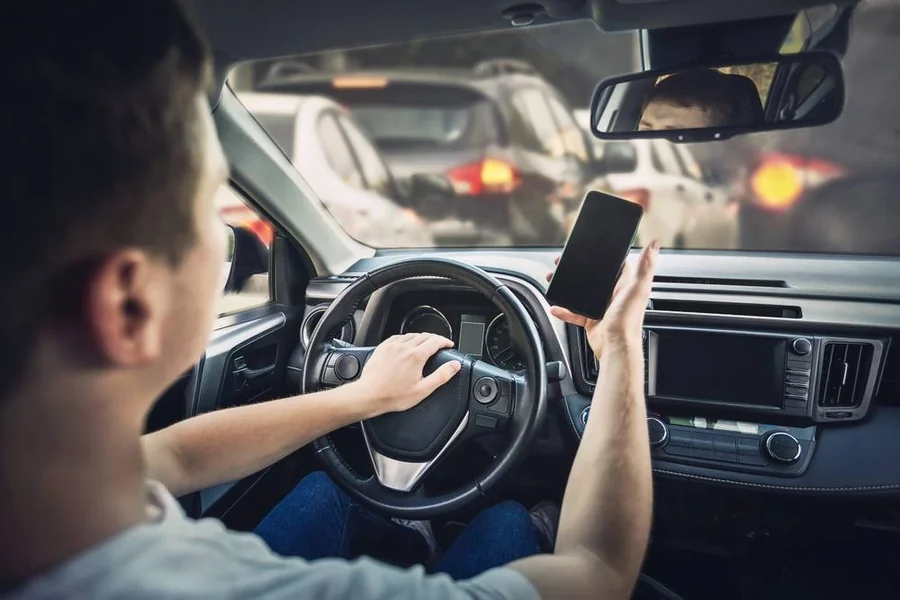
Ridesharing services like Uber have transformed how people navigate New York City, offering convenience at the tap of a screen. However, accidents involving these vehicles can leave passengers, drivers, and even pedestrians facing unexpected injuries and confusion about their legal rights.
Understanding your options after an Uber-related injury is crucial, as these cases often involve unique legal complexities. From determining liability to navigating insurance policies, knowing the steps to protect your rights can make all the difference in securing compensation.
Types of Rideshare Accidents Recognized Under NYC Law
Passenger Injuries During Rides
Accidents involving passengers in Uber vehicles occur frequently in New York City. These incidents include rear-end collisions, side-impact crashes, and multi-vehicle accidents. Injured passengers may hold the rideshare driver or another motorist accountable based on the case specifics.
Pedestrian-Related Accidents
Pedestrians struck by Uber vehicles often sustain severe injuries. These accidents typically happen in crosswalks or while a vehicle is turning. Identifying liability is essential in pedestrian-related cases to ensure proper compensation.
Cyclist Accidents Involving Uber Drivers
Uber-related cyclist accidents are common in NYC’s dense traffic. These incidents may involve collisions at intersections or while drivers navigate bike lanes improperly. NYC law mandates that cyclists hit by careless rideshare drivers pursue their claims through insurance or legal avenues.
Collisions with Other Vehicles
When an Uber car collides with another vehicle, multiple parties might share liability. Fault may rest with the Uber driver, the other vehicle’s operator, or both. Determining fault is critical when dealing with such claims under New York law.
Hit-and-Run or Unspecified Vehicle Accidents
Hit-and-run incidents involving Uber vehicles add complexity to determining accountability. Victims who cannot identify the driver or vehicle may rely on insurance coverage from their Uber driver or the rideshare company itself.
Sakkas, Cahn & Weiss, LLP often assists in cases involving these scenarios, ensuring fair legal representation. Engaging an experienced New York City Uber Injury Attorney can help preserve victims’ rights while navigating NYC’s legal framework.
Who Can Be Held Liable in an Uber Injury Claim?
Various parties may bear liability in an Uber injury claim depending on the circumstances of the accident. Determining accountability is essential for pursuing compensation.
1. Uber Driver
If the driver’s negligence directly caused the accident, they can be held liable. Examples include distracted driving, speeding, or disobeying traffic laws. As independent contractors, Uber drivers carry personal insurance, but additional coverage from Uber may apply under specific conditions.
2. Uber Technologies, Inc.
Uber as a company may be accountable if systemic negligence, such as insufficient background checks or failure to address safety violations, contributed to the incident. Claims against Uber and similar corporations are more complex and often require legal expertise.
3. Third-Party Motorists
Another driver may hold liability if their actions, such as driving under the influence or reckless behavior, led to the collision involving an Uber vehicle. Victims must demonstrate that this third party’s negligence caused their injuries.
4. Pedestrians or Cyclists
Liability might extend to pedestrians or cyclists in cases where their reckless actions, like jaywalking or failing to observe traffic rules, triggered the incident.
5. Government Entities
Government agencies or contractors responsible for road maintenance could share liability if hazardous road conditions, like potholes or poor signage, contributed to the accident.
6. Vehicle Manufacturers
When defective vehicle components cause Uber-related accidents, manufacturers might be liable. Examples include faulty brakes or steering system failures.
Navigating liability often requires professional assistance. Victims frequently consult firms like Sakkas, Cahn & Weiss, LLP for representation. Their expertise as experienced New York City Uber Injury Attorney helps ensure all responsible parties are held accountable.
How Insurance Coverage Works in Rideshare Cases
Insurance policies in rideshare accidents involve multiple layers of coverage depending on the driver’s status at the time of the crash. Rideshare companies like Uber generally provide insurance coverage, but the extent varies based on whether the driver is offline, waiting for a ride request, or actively transporting a passenger.
1. Offline Stage
If the driver isn’t using the Uber app, the driver’s personal auto insurance applies. Uber doesn’t provide coverage during this stage.
2. App On, No Ride Accepted
When the driver is logged into the app and waiting for a ride request, Uber’s contingent liability coverage is activated. It includes up to $50,000 per person for bodily injury, $100,000 per accident for bodily injury, and $25,000 for property damage.
3. Ride Accepted or Passenger Onboard
Once the driver accepts a ride request or has a passenger, Uber provides a $1 million liability policy. This covers injuries, property damage, and third-party claims. Additionally, uninsured/underinsured motorist coverage may apply if another driver is at fault but lacks sufficient coverage.
Victims should seek legal guidance to determine which policy applies. Sakkas, Cahn & Weiss, LLP offers assistance in navigating these complex insurance layers, ensuring victims obtain fair compensation. Engaging an experienced New York City Uber Injury Attorney can be critical in holding appropriate parties accountable.
Gathering Evidence From Uber’s App and Driver Logs
Accessing data from Uber’s app and driver logs can help build a strong case after an Uber-related injury. These records may include trip details, timestamps, GPS data, and communication between the driver and passenger. Such information could identify the driver’s activity during the accident, establish fault, or supplement other evidence.
Victims or their attorneys can request these records directly from Uber when pursuing a claim. If Uber refuses to provide the data, legal strategies such as subpoenas may compel its release. Additionally, app-generated receipts and messages on the rider’s account serve as supplementary evidence.
Driver logs are critical for verifying whether the driver was logged into the app, en route to pick up a passenger, or actively transporting one. This data connects liability with the appropriate insurance coverage. Sakkas, Cahn & Weiss, LLP often leverage such evidence to navigate the complexities of injured parties’ claims as experienced New York City Uber Injury Attorneys. Prompt legal intervention ensures preservation of vital digital records before they are lost or overwritten.
Steps to Take Immediately After a Rideshare Accident
1. Ensure Safety and Seek Medical Attention
Prioritize personal safety and check for injuries. Contact emergency services to address any immediate medical concerns. Even minor injuries may require professional evaluation, as some symptoms manifest later.
2. Report the Accident to Authorities
Notify law enforcement about the incident. Obtain a copy of the police report, as it provides an official record that may support insurance claims or legal proceedings.
3. Document the Scene
Capture photos of the accident scene, vehicle damage, injuries, road conditions, and surrounding signage. Collect contact information from witnesses, if present, to strengthen potential claims.
4. Gather Driver and Rideshare Information
Request the Uber driver’s name, contact details, license plate number, and insurance information. Note the rideshare company details, such as the trip date, time, and app-generated ride receipt, to verify driver status during the accident. This data may link liability to applicable coverage.
5. Report the Incident to Uber
Use the Uber app to report the accident. Submit accurate details about the event, as the company’s response may affect claims under their insurance policies.
6. Consult a Legal Professional
Contact an experienced New York City Uber Injury Attorney to discuss legal options. Attorneys, such as those from Sakkas, Cahn & Weiss, LLP, analyze case specifics, identify liable parties, and guide clients through complex insurance processes to secure compensation.
7. Avoid Direct Statements to Insurance Adjusters
Refrain from providing recorded statements to insurance companies without legal assistance. Insurance adjusters may attempt to minimize payouts, making professional advice crucial for protecting victim rights.
Statutes of Limitation for Filing Uber-Related Claims
New York mandates specific time limits for filing personal injury claims, including those related to Uber accidents. The standard statute of limitations for personal injury cases in New York is three years from the date of the incident. Victims who fail to file within this timeframe risk losing the right to pursue compensation.
Exceptions may apply based on case specifics. For accidents involving government-owned vehicles or entities, such as those in collision with an Uber driver, a formal notice of claim must be filed within 90 days, with litigation initiated within a year and 90 days. These shortened deadlines increase the urgency for prompt legal action.
For wrongful death claims, survivors generally have two years from the date of death to initiate a case. Seeking legal representation immediately ensures compliance with these strict legal deadlines. Firms like Sakkas, Cahn & Weiss, LLP, knowledgeable in rideshare injury litigation, provide critical assistance in ensuring claims are filed on time under the correct statute of limitations.
Failing to meet these deadlines can result in claim dismissal, regardless of the injury’s severity. Consulting an experienced New York City Uber Injury Attorney helps victims navigate time-sensitive filing requirements and prevents potential forfeiture of legal rights.
How NYC Uber Injury Attorneys Navigate Company Disputes
Navigating the aftermath of an Uber-related injury in New York City can be overwhelming, especially when dealing with complex liability issues and insurance policies. Experienced attorneys play a vital role in bridging the gap between victims and the compensation they deserve. By leveraging evidence like driver logs and app data, legal professionals can build strong cases while holding the appropriate parties accountable.
With strict deadlines for filing claims and the intricate layers of coverage involved, timely legal action is crucial. NYC Uber injury attorneys, such as those at Sakkas, Cahn & Weiss, LLP, offer invaluable guidance to ensure victims’ rights are protected and justice is served. Their expertise helps victims focus on recovery while navigating the legal challenges of rideshare-related accidents.