Unlocking the Unique Flavors: A Comprehensive Guide on Dry-Aged Fish
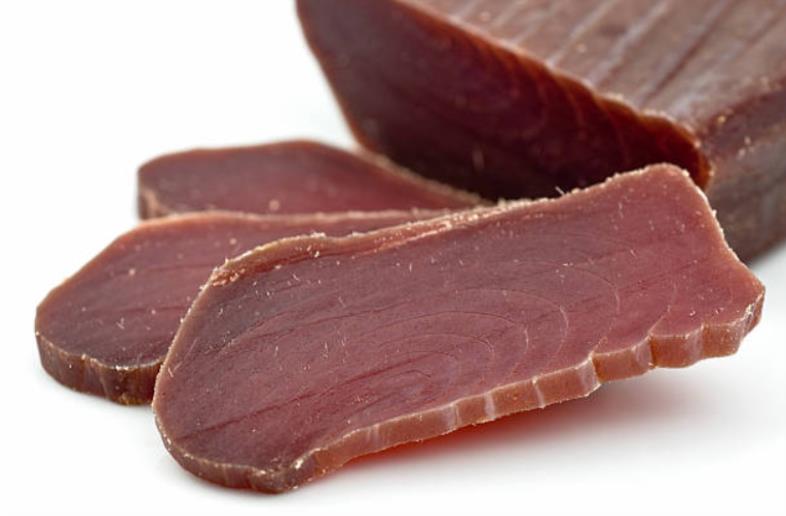
Dry-Aged Fish
Dry ageing fish involves controlled dehydration in a chilled environment, enhancing flavour and texture. This technique allows for moisture loss while concentrating natural flavours, resulting in a unique product sought by chefs for its richness and complexity.
Popularity of Dry-Aged Fish
A dry aged fish has gained significant popularity due to its unique flavours and enhanced tenderness. This method not only improves the overall taste but also preserves nutritional value, making it a sought-after option among seafood enthusiasts and chefs alike.
Dry Aging Process
The dry ageing process involves hanging meat in a controlled environment, allowing moisture to evaporate and flavours to concentrate. The result is enhanced tenderness and richer taste, creating premium cuts favoured by chefs and gourmet enthusiasts alike.
The Factors Influencing the Dry Aging of Fish
The dry ageing of fish is affected by several factors, including temperature, humidity, airflow, and the duration of ageing. These elements play a crucial role in developing flavours and textures that enhance the overall quality of the fish.
Exploration of the Chemical Reactions During the Process
Investigating the chemical reactions involved in this process reveals intricate interactions and transformations. By analyzing these reactions, we gain insight into their mechanisms, enhancing our understanding of overall behaviour and potential applications within various scientific fields.
How These Reactions Contribute to the Unique Flavors
The distinct flavours we experience result from various chemical reactions during food preparation, such as caramelization and fermentation. These processes transform ingredients at a molecular level, creating complex taste profiles that enhance the overall sensory enjoyment of dishes.
The History and Cultural Significance of Dry-Aging Fish
Origin and Historical Practices of Dry Aging
Dry ageing originated in traditional butchering, where meat was hung to enhance flavour and tenderness through moisture loss and enzymatic action. This centuries-old practice fosters unique textures, aromas, and tastes, reflecting artisanal craftsmanship in culinary history.
Influence on Different Regional Cuisines
Regional cuisines are shaped by various influences such as geography, climate, history, and cultural exchanges. Ingredients native to certain areas contribute unique flavours, while migration and trade introduce new techniques and dishes, enriching culinary traditions across regions.
Benefits of Dry Aging Fish
Description of Flavor Changes
Flavour changes refer to the noticeable alterations in taste profiles over time, often influenced by factors like ageing, preparation methods, and ingredient interactions. These shifts can enhance or diminish certain flavour characteristics, affecting overall culinary enjoyment.
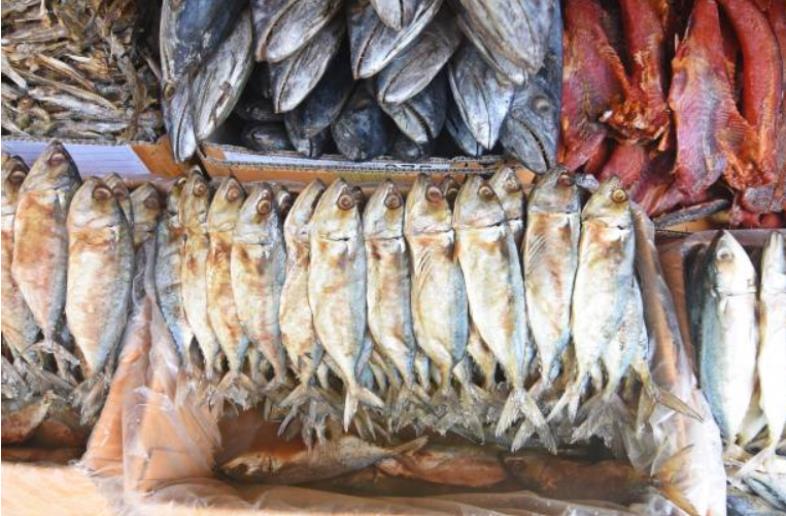
Health Benefits Associated with Dry Aged Fish
Dry-aged fish offers numerous health benefits, including enhanced flavour and improved texture. Additionally, the ageing process may boost omega-3 fatty acid levels, supporting heart health and brain function while reducing harmful bacteria through dehydration and preservation techniques.
Types of Fish Suitable for Dry Aging
Listing and Description of Suitable Fish Types
This document provides a comprehensive list of appropriate fish species along with detailed descriptions. Each entry highlights specific characteristics, habitat preferences, and care requirements to assist aquarists in selecting the ideal species for their aquarium environments.
Factors to Consider When Selecting Fish for Aging
When choosing fish for ageing, consider species compatibility, dietary needs, suitable habitat conditions, tank size, filtration requirements, water temperature preferences, and potential breeding behaviours. Ensuring a balanced environment fosters healthier ageing and improves overall fish longevity.
Step-by-Step Guide on How to Dry Age Fish at Home
Necessary Tools and Equipment
Essential tools and equipment refer to the crucial instruments and devices required for specific tasks or projects. These items ensure efficiency, safety, and accuracy in various fields such as construction, manufacturing, health care, and other professional domains.
Detailed Process from Choosing the Fish to Serving
Selecting fish involves assessing freshness and quality at the market. Once chosen, it’s important to prepare it properly—cleaning, filleting, and seasoning—before cooking. Finally, presentation on a well-arranged plate enhances enjoyment when serving the dish.
Serving and Enjoying Dry-Aged Fish
Various Ways to Serve and Prepare Dry-Aged Fish
There are several methods to prepare and serve dry-aged fish. Options include grilling, broiling, or pan-searing for a crispy exterior while maintaining tenderness. Additionally, it can be served raw in sushi or as tartare for unique flavour profiles.
Pairing Suggestions for Dry-Aged Fish
When serving dry-aged fish, consider complementing its intense flavours with crisp white wines like Sauvignon Blanc or Chablis. Fresh herbs, citrus zest, and light salads enhance the dish while allowing the fish’s unique taste to shine.
Common Mistakes to Avoid When Dry Aging Fish
List of Potential Errors
Here is a compilation of possible mistakes that could occur during various processes. These errors may range from minor oversights to significant issues, highlighting the importance of diligence and attention to avoid complications and ensure success.
Tips to Prevent These Mistakes
To avoid making common errors, consider these strategies: stay organized, double-check your work, seek feedback from others, prioritize tasks effectively, maintain a clear focus on goals, and cultivate a habit of continuous learning to enhance skills.