
What Are the Key Differences Between Pneumatic and Mechanical Systems for Cotton Harvester Parts Like Cleaners and Doffers?
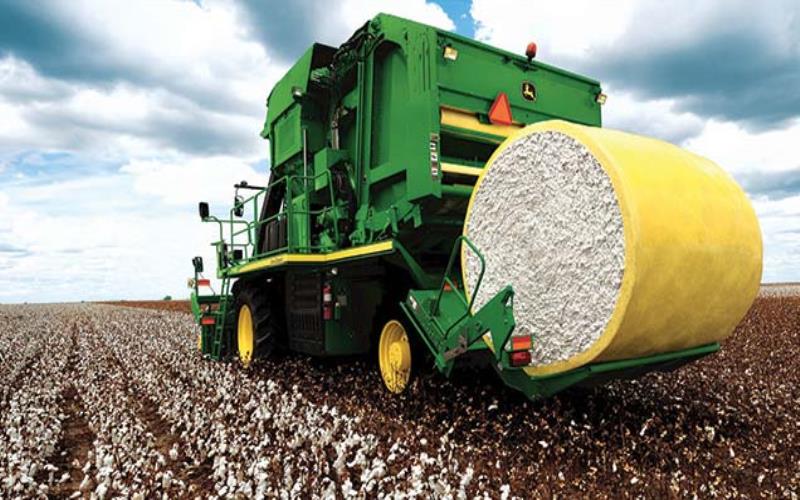
Cotton harvesting is a critical stage in the agricultural cycle, where efficiency and precision are paramount. Cotton harvesters have evolved significantly over time, incorporating a variety of systems that work together to ensure that cotton is harvested cleanly, efficiently, and with minimal waste. Two key systems in cotton harvesters—pneumatic and mechanical—play essential roles in parts like cleaners and doffers. While both systems aim to achieve similar outcomes, they operate on different principles and bring distinct advantages and challenges to cotton harvesting.
This blog will explore the key differences between pneumatic and mechanical systems in cotton harvesters, focusing on their application in cleaners, doffers, and air conveying systems. We will also look at the benefits and drawbacks of each system to help farmers make informed decisions on which technology is best suited for their harvesting needs.
Understanding Pneumatic Systems in Cotton Harvesters
Pneumatic systems are a type of technology that uses compressed air to perform a task. In the context of cotton harvesters, pneumatic systems are often used in air conveying systems and for cleaning and doffing operations. They work by creating a stream of air that moves the cotton from one part of the harvester to another or by using air to remove contaminants from the cotton.
Key Components of Pneumatic Systems in Cotton Harvesters
- Air Conveying Systems: These systems utilize air pressure to transport cotton through the various parts of the harvester. After cotton is picked, it is transported to cleaning and processing stations using air flows created by fans or blowers.
- Cleaners: Pneumatic cleaners use air streams to separate dirt, debris, and smaller impurities from the cotton. By blowing air through the cotton, unwanted particles are lifted away without damaging the fibers.
- Doffers: Pneumatic doffers use air to gently remove the cotton lint from the spindles in a picker or stripper harvester. This method is less abrasive than mechanical doffing, leading to less damage to the cotton fibers.
Advantages of Pneumatic Systems
- Gentle Handling of Cotton: One of the main advantages of pneumatic systems is that they handle cotton more gently compared to mechanical systems. The use of air to transport cotton and remove impurities minimizes fiber damage, resulting in a higher-quality product.
- Efficiency in Cleaning: Pneumatic cleaners excel at removing small particles of debris and dust that might be missed by mechanical systems. This results in cleaner cotton that requires less processing later in the supply chain.
- Reduced Wear and Tear: Since pneumatic systems rely on air pressure rather than moving parts, the harvester’s components experience less mechanical wear and tear. This can lead to longer-lasting equipment and lower maintenance costs.
- Versatility: Pneumatic systems are highly adaptable, allowing them to be used in a variety of cleaning and transporting applications within the cotton harvester. They can be easily adjusted to handle different amounts and types of cotton.
Disadvantages of Pneumatic Systems
- Energy Consumption: Pneumatic systems often require a significant amount of energy to generate the air pressure needed for conveying and cleaning tasks. This can lead to higher fuel or electricity costs for the harvester.
- Complexity: The design and operation of pneumatic systems can be more complex than mechanical systems, requiring more specialized knowledge for troubleshooting and repair.
- Risk of Air Leaks: Over time, air leaks can develop in pneumatic systems, reducing their efficiency and requiring maintenance to ensure optimal performance.
Understanding Mechanical Systems in Cotton Harvesters
Mechanical systems rely on physical components such as gears, belts, and spindles to perform tasks like cleaning and doffing in cotton harvesters. These systems use direct mechanical force to manipulate the cotton rather than air pressure.
Key Components of Mechanical Systems in Cotton Harvesters
- Mechanical Cleaners: These cleaners use brushes, beaters, or rollers to physically remove dirt, leaves, and other debris from the cotton. The mechanical action helps separate the unwanted material from the cotton fibers.
- Mechanical Doffers: Mechanical doffers use rotating spindles, rollers, or belts to remove cotton from the harvesting spindles. These systems rely on direct contact between the equipment and the cotton to release the fibers.
Advantages of Mechanical Systems
- Cost-Effective: Mechanical systems tend to be more affordable to purchase and operate compared to pneumatic systems. They require less energy to run, which can lead to cost savings over time.
- Durability: Mechanical systems are known for their robustness and long-lasting performance. They can withstand harsh conditions in the field and are generally easier to repair, with parts that are often more readily available.
- Simplicity of Design: Mechanical systems are typically simpler in design compared to pneumatic systems. This simplicity makes them easier to maintain, as fewer specialized skills or tools are needed for repairs.
- Lower Energy Consumption: Mechanical systems consume less energy than pneumatic systems since they do not need to generate or maintain air pressure. This can result in lower fuel or electricity costs during the harvesting process.
Disadvantages of Mechanical Systems
- Increased Fiber Damage: Mechanical systems are more likely to cause damage to cotton fibers during the harvesting process. The direct contact between the equipment and the cotton can lead to fiber breakage, which reduces the overall quality of the harvested cotton.
- Less Effective Cleaning: Mechanical cleaners are not as efficient as pneumatic systems in removing fine particles of debris and dust. This can lead to lower-quality cotton that requires additional cleaning after harvesting.
- Higher Wear and Tear: Mechanical systems are subject to more wear and tear than pneumatic systems due to the physical movement of components. Over time, this can lead to more frequent breakdowns and the need for repairs or part replacements.
Choosing the Right System for Your Cotton Harvester
When deciding between pneumatic and mechanical systems for your cotton harvester, several factors should be considered:
- Cotton Quality Requirements: If maintaining the highest quality cotton with minimal fiber damage is your priority, pneumatic systems may be the best choice due to their gentle handling.
- Cost Considerations: Mechanical systems offer a more cost-effective solution, especially for smaller operations or those with tighter budgets. However, it’s important to weigh this against the potential cost of reduced cotton quality.
- Energy Efficiency: Mechanical systems offer a clear advantage for reducing energy consumption and operating costs. However, if energy costs are not a major concern, pneumatic systems can provide superior cleaning and handling.
- Maintenance Capabilities: If you have access to skilled technicians who can maintain more complex systems, pneumatic systems may be a viable option. For simpler operations with less technical expertise, mechanical systems offer easier maintenance and repairs.
Conclusion
Both pneumatic and mechanical systems play important roles in cotton harvesting, particularly in parts like cleaners and doffers. Pneumatic systems offer advantages in handling and cleaning efficiency but come with higher costs and energy consumption. Mechanical systems, on the other hand, are more cost-effective, durable, and easier to maintain but may result in more fiber damage and less effective cleaning.
Ultimately, the decision between pneumatic and mechanical systems depends on the specific needs of your cotton harvesting operation. Whether you prioritize cotton quality, cost-efficiency, or ease of maintenance, understanding the key differences between these systems will help you make the best choice for your farm.


