What Makes Salt Lake City’s Interior Design Unique
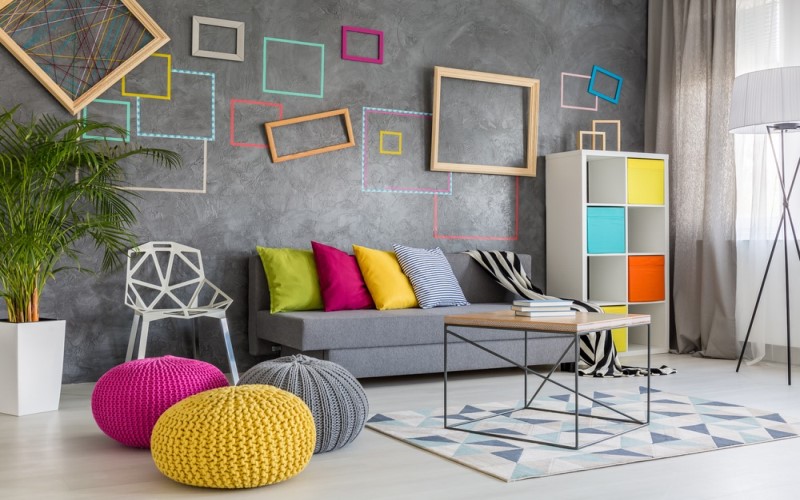
Salt Lake City’s interior design scene is a dynamic blend of cultural influences, stunning natural surroundings, and a growing demand for sustainable and innovative living spaces. With the city’s rapid growth, diverse architecture, and unique history, the local interior design industry has carved out a distinctive identity in the broader design world.
Interior designers in Salt Lake City work with a mix of traditional Western elements, modern influences, and contemporary trends, making it one of the most unique interior design hubs in the United States. This article will explore the defining features of Salt Lake City’s interior design, the city’s architectural diversity, and the role of local interior designers in creating spaces that reflect the city’s vibrant culture.
The Impact of Natural Beauty
Salt Lake City is surrounded by a stunning natural landscape that profoundly impacts its interior design approach. The breathtaking mountains, expansive lakes, and abundant greenery inspire both residential and commercial spaces.
Designers often draw from the region’s color palette, incorporating earthy tones and natural materials that create a sense of harmony with the surrounding environment. Whether it’s reclaimed wood, stone accents, or large windows framing the mountains, the essence of nature is often present in Salt Lake City interiors.
This connection to nature isn’t just aesthetic; it reflects a broader lifestyle embraced by Salt Lake City residents, who value outdoor recreation and a sense of tranquility. Incorporating natural elements into interiors is a way for designers to bring that sense of serenity indoors, creating spaces that feel warm, welcoming, and deeply connected to the environment.
Architectural Diversity and Its Influence
Salt Lake City is home to a wide range of architectural styles, each contributing to the city’s diverse design landscape. From historic homes in the Avenues neighborhood to sleek, modern lofts downtown, the city offers an array of design opportunities.
Victorian and Craftsman homes, popular in older neighborhoods, bring a sense of history and tradition to the local design scene. These homes often feature intricate woodwork, large porches, and brick facades, offering designers a chance to work with elements that honor the city’s past. Designers in Salt Lake City frequently restore these historic features while adding modern touches like updated lighting, minimalist furnishings, and contemporary art to create a balanced look.
On the other end of the spectrum, the downtown area is marked by new, modern buildings that emphasize clean lines, open floor plans, and industrial aesthetics. Exposed beams, polished concrete floors, and large glass windows define these spaces. Interior designers in Salt Lake City are adept at adding warmth to these modern spaces through the use of textiles, color accents, and functional layouts that enhance comfort.
Community-Focused Design
One of the most unique aspects of Salt Lake City’s interior design is its focus on community. The city is known for its strong sense of community and collaborative spirit, which is often reflected in interior design projects. Whether it’s a family home, a co-working space, or a local café, the design aims to foster interaction, connection, and a sense of belonging.
In residential design, this often translates to open floor plans that allow for social gatherings, multifunctional spaces that cater to both family life and entertaining, and cozy communal areas like kitchens and living rooms. Furniture arrangements prioritize conversation, while color palettes are often warm and inviting, encouraging interaction among occupants.
In commercial spaces, community-focused design is evident in the way interiors are laid out to promote collaboration. For instance, many co-working spaces feature shared workstations, breakout areas, and casual meeting spots that facilitate networking and idea-sharing. This design approach not only caters to functionality but also fosters a sense of community among users.
Sustainability as a Core Principle
Salt Lake City’s commitment to sustainability is a significant influence on its interior design. As the city continues to grow, there is a strong focus on eco-friendly design practices, from material selection to energy-efficient systems.
Interior designer Salt Lake City professionals frequently incorporate sustainable materials like bamboo flooring, recycled metal, and low-VOC paints to promote healthier indoor environments. Beyond material selection, they often include energy-efficient lighting, smart thermostats, and water-saving fixtures as standard features in modern Salt Lake City interiors. This commitment to sustainability reflects the region’s broader environmental values, making it an essential aspect of the city’s interior design identity.
The emphasis on sustainability extends beyond residential projects, with commercial spaces also integrating green design principles. Whether it’s a LEED-certified office building or a retail space designed with recycled materials, sustainable design is a core element that sets Salt Lake City apart in the interior design world.
Role of Interior Designers in Salt Lake City
Interior designers in Salt Lake City are instrumental in shaping the city’s design identity. They not only understand the unique cultural and environmental factors that define the area but also adapt global trends to suit local tastes.
The role of an interior designer in Salt Lake City goes beyond aesthetics; it involves creating spaces that meet the practical needs of clients while also reflecting the city’s values. Designers here are known for their collaborative approach, working closely with clients, architects, and contractors to bring ideas to life. They often engage in extensive consultations to understand clients’ lifestyles, preferences, and functional requirements, ensuring that the final design is both beautiful and practical.
Interior designers in Salt Lake City also bring a high level of customization to their projects. Whether it’s designing custom cabinetry, selecting unique artwork, or sourcing local materials, these designers focus on creating personalized spaces that stand out. The ability to blend traditional and modern elements, incorporate natural influences, and prioritize sustainability makes them key players in the local design industry.
Interior Designer Salt Lake City: Adapting to Trends
The city’s interior designers are adept at adapting to evolving trends while maintaining the distinct Salt Lake City aesthetic. While minimalist and industrial trends are popular, local designers add a twist by incorporating softer elements like warm wood tones, cozy textiles, and local artwork. This ability to blend styles while staying true to the city’s unique character is what sets Salt Lake City’s designers apart.
An interior designer in Salt Lake City might also focus on integrating smart home technology, as the city’s residents are increasingly embracing tech-savvy solutions. This includes everything from automated lighting and temperature controls to integrated home security systems. By incorporating technology seamlessly into the design, Salt Lake City’s interiors remain both cutting-edge and user-friendly.
The Future of Salt Lake City’s Interior Design
Salt Lake City’s interior design industry is poised for continued growth, driven by the city’s expanding population, thriving economy, and increasing appreciation for high-quality design. As new developments continue to rise and older buildings are renovated, interior designers in Salt Lake City will play a critical role in shaping the city’s future.
The demand for sustainable, community-oriented, and technologically integrated spaces is likely to drive design trends in the coming years. With a focus on personalization, functionality, and a connection to the natural environment, Salt Lake City’s interiors will continue to reflect the city’s dynamic and diverse character.
Conclusion: Salt Lake City’s Unique Design Identity
Salt Lake City’s interior design stands out for its natural influences, architectural diversity, and strong sense of community. By embracing sustainability, personalization, and innovation, the city’s interior designers create spaces that are both beautiful and functional. Whether it’s a historic home in the Avenues or a modern loft downtown, Salt Lake City’s interiors reflect a unique blend of tradition, modernity, and connection to the environment. As the city grows, its interior design industry will continue to thrive, adapting to new trends while maintaining its distinct identity.