What to Pack First During an Office Move
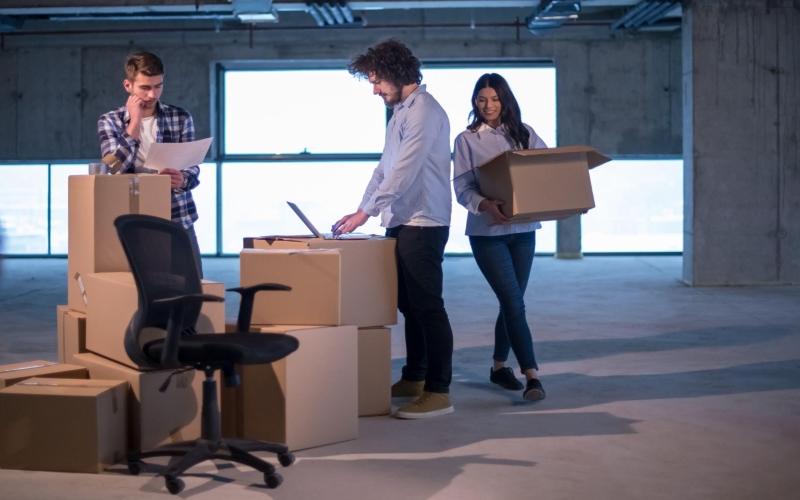
Moving offices is a complex process that requires careful planning. One of the most important parts of any office relocation is packing, and knowing what to pack first can save time, reduce stress, and keep your business running smoothly.
This guide will break down the first items you should pack to ensure an organised and efficient move. Butler’s Removals & Storage has years of experience handling office relocation, so we’ve compiled this list to help you get started.
1. Non-Essential Documents and Files
The best place to start is with paperwork and files that you won’t need on a day-to-day basis. These could include archived records, contracts, or any documents that won’t be accessed during the move. Since these files can accumulate quickly, it’s important to box them up early. Label each box clearly to avoid confusion when you’re unpacking in the new office.
We recommend keeping sensitive documents in a separate, locked box to ensure they stay secure during the move. At Butler’s Removals & Storage, we often advise our clients to consider using file cabinets with locks or investing in a secure storage solution for important paperwork during the transition.
2. Office Decorations and Personal Items
Next, you’ll want to pack up office decorations and personal items. Wall art, framed photos, plants, and any personal items that employees keep on their desks should be boxed up well in advance. These are items you can do without in the days leading up to the move and packing them early helps create a clean and organised workspace.
It’s a good idea to suggest that employees take home their belongings, especially fragile items, to prevent any potential damage during transport. If your company operates across multiple locations—whether moving a team within the city or transitioning to a new branch—coordinating with furniture movers and personal item packing early helps ensure consistency and reduces the risk of last-minute confusion.
3. Rarely Used Office Equipment
Offices tend to have equipment that isn’t used every day, such as spare printers, projectors, and extra computers. Packing these items early makes sense since they aren’t critical for your daily operations. Make sure to label all cords and accessories so nothing gets lost. Keeping everything organised will make it easier to reconnect your equipment once you’ve settled into the new office.
If you’re unsure which equipment to pack first, consider making a list of all the items your team doesn’t use on a regular basis. This way, you’ll have a clear idea of what can go into boxes right away.
4. Extra Office Supplies
Once the larger office equipment is packed, it’s time to focus on office supplies. Gather all extra pens, notebooks, paper, and other materials that are currently in storage or aren’t being used. Be sure to leave enough supplies on hand to get you through the last few days before the move, but anything extra can go into boxes early.
At Butler’s Removals & Storage, we recommend packing smaller items in plastic containers or bins with lids to prevent spills or misplacement. This is especially important for things like paper clips, staples, and other loose items.
5. Kitchen and Break Room Items
Your office kitchen and break room are often filled with items that can be packed early without disrupting the workday. Start by picking up non-perishable food items, dishware, and kitchen appliances like coffee makers and microwaves. Clean any appliances before packing them to avoid any leftover mess.
If your office has a fridge or freezer, plan to empty it before moving day. This is also a great opportunity to clean out expired or unnecessary items from your kitchen cupboards.
6. Books and Reference Materials
Books, manuals, and reference materials should be next on your list. Depending on your business, you may have a large collection of books that can be packed up ahead of time. Sort through them, decide which materials are essential for day-to-day operations, and pack the rest in sturdy boxes.
Be mindful of weight when packing books. Since books are heavy, smaller boxes work best to prevent them from becoming too cumbersome. Label the boxes with their contents to make it easier to unpack and reorganise your shelves in the new office.
7. Shelving Units and Storage Cabinets
Once you’ve packed the items inside your shelving units and storage cabinets, it’s time to dismantle the furniture itself. Start with smaller units, making sure to keep all screws and parts in labelled bags. Shelving units and cabinets often require disassembly, so follow the manufacturer’s instructions carefully.
If you’re unsure how to disassemble your office furniture, the Butler’s Removals & Storage team can offer expert advice and assistance. We also suggest keeping all hardware together in one place, so reassembly is a breeze once you’re in your new space. For more information on our services, visit butlersremovals.com.au to explore our professional moving solutions.
8. Desk Contents and Technology
The last items you should pack are those critical to daily operations, like desk contents and technology. Computers, phones, and other electronic devices should be handled with care. Label each piece of equipment and its corresponding cables to ensure everything is easy to set up again in the new office.
It’s helpful to create a checklist for each employee so they know what they’re responsible for packing and what needs to be done before the move. Store important data securely and back up any necessary files before disconnecting computers.
Conclusion
Moving an office doesn’t have to be chaotic. By packing in an organised way and starting with non-essential items, you can streamline the process and reduce downtime. Butler’s Removals & Storage is here to help every step of the way, ensuring your office relocation goes off without a hitch. With careful planning and the right packing strategy, your business will be up and running in no time at your new location.