Why Animal Hospitals Are Essential For Exotic Pet Care
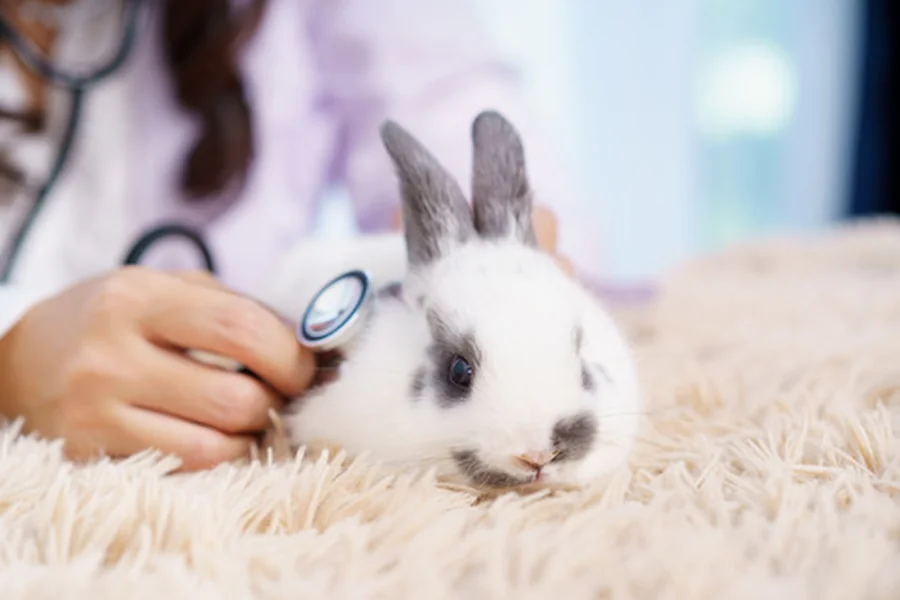
Exotic pets need more than love and a clean cage. They need expert medical care that matches their unique bodies and quiet signals of pain. A parrot hides illness. A bearded dragon stops eating. A ferret sleeps longer than normal. You may not see the danger until it is too late. That is why animal hospitals that treat exotic pets matter so much. These hospitals have equipment that fits small bodies. They also have training for species that most clinics rarely see. You gain clear answers instead of guesswork and online myths. You also gain a plan for food, housing, and behavior that keeps your pet steady. If you see a veterinarian in South Houston, TX who treats exotic pets, you give your animal a real chance. You do not wait for a crisis. You protect a quiet life that depends on you.
Why Exotic Pets Need Special Medical Care
Exotic pets include birds, reptiles, amphibians, small mammals, and some fish. Each group has needs that differ from dogs and cats. Many exotic species hide pain. They do this in the wild to avoid predators. In your home that same habit puts them at risk.
First, small changes in weight, breathing, or stool may mean severe illness. Second, wrong heat, light, or food can harm organs without clear signs. Third, stress from loud sounds or rough handling can weaken the immune system.
You often cannot see these changes with the naked eye. A trained exotic animal team can. They use exam skills, lab tests, and imaging that suit each species. That care gives your pet a chance to recover before damage grows.
Common Health Risks For Exotic Pets
Many exotic pet problems come from three sources. These are poor diet, poor housing, and infections that pass between animals and people.
- Poor diet. Many reptiles need exact calcium and vitamin D levels. The wrong food can cause weak bones and organ failure.
- Poor housing. Wrong heat or light harms reptiles and amphibians. Wrong cage size harms birds and small mammals.
- Infections. Some reptiles can carry Salmonella. Birds can carry lung infections. Rodents can carry germs that harm children and older adults.
An exotic animal hospital checks for these risks at each visit. You get direct guidance that fits your pet and your home.
How Exotic Animal Hospitals Protect Your Pet
Exotic animal hospitals do more than treat illness. They build a safety net around your pet.
- Regular exams. These include weight loss, lumps, feather or skin changes, and breathing trouble.
- Targeted tests. These include fecal checks for parasites, blood work for organ health, and imaging for bones and lungs.
- Care that fits species. Staff learn how to hold and comfort each species with less stress.
Each visit gives you a chance to ask about diet, housing, toys, and social needs. That talk prevents many emergencies.
What Makes Exotic Hospitals Different From Regular Clinics
Not all clinics can care for exotic pets. Some lack the tools or training. The table below shows key differences.
| Feature | General Small Animal Clinic | Exotic Animal Hospital
|
|---|---|---|
| Common patients | Dogs and cats | Birds, reptiles, amphibians, small mammals, some fish |
| Staff training | Basic exotic knowledge | Focused exotic training and ongoing education |
| Exam tools | Standard stethoscopes and scales | Small scales, fine scopes, species-specific tools |
| Anesthesia and surgery | Set for dogs and cats | Adjusted drug plans for small bodies and special lungs |
| Housing during stay | Dog and cat kennels | Heated or cooled enclosures and quiet bird safe rooms |
| Preventive care plans | Vaccines and parasite control | Heat and light plans, diet plans, beak and nail care |
This level of focus means fewer guesses and safer care for your pet.
Preventive Care That Keeps Exotic Pets Stable
Preventive care is your strongest tool. It keeps small problems from turning into emergencies.
- Annual or twice yearly exams. Some exotic pets age faster than dogs and cats. More frequent exams help.
- Nutrition checks. You review pellets, fresh foods, insects, and supplements.
- Husbandry review. You walk through cage size, bedding, heat, light, and humidity.
The United States Department of Agriculture explains that animal health depends on clean housing and safe feed. That same logic holds true for exotic pets in your home.
Protecting Your Family And Community
Exotic pet care also protects your family. Many germs pass from animals to people. These are called zoonotic diseases. Children, pregnant people, and older adults face a higher risk.
The Centers for Disease Control and Prevention reports that reptiles and amphibians often carry Salmonella. Simple steps cut risk.
- Wash hands after touching pets or cages.
- Keep food prep spaces free from pet items.
- Do not let young children kiss reptiles, amphibians, or birds.
A trusted exotic animal hospital can teach you safe cleaning and handling. That support keeps your home steady and calm.
When To Seek Emergency Help
Many exotic pets hide trouble until late. You should act fast when you see warning signs. These include the following.
- Sudden loss of appetite for more than one day.
- Hard time breathing or open-mouth breathing in birds or reptiles.
- Swollen eyes, beak, or limbs.
- Bloody stool or urine.
- Seizures or loss of balance.
Do not wait and watch. Call an exotic animal hospital at once. Quick action often means the difference between recovery and loss.
Choosing The Right Exotic Animal Hospital
You deserve a clinic that respects you and your pet. You can look for three signs.
- They see your species often and can explain common problems in plain language.
- They welcome questions about cost, tests, and home care.
- They offer follow-up contact for lab results and ongoing support.
With the right hospital, you gain a partner. You gain clear steps that protect a fragile life in your care. Your effort, paired with expert medical support, gives your exotic pet the best chance at a long and steady life.