5 Ways Animal Hospitals Support Rescue And Adoption Programs
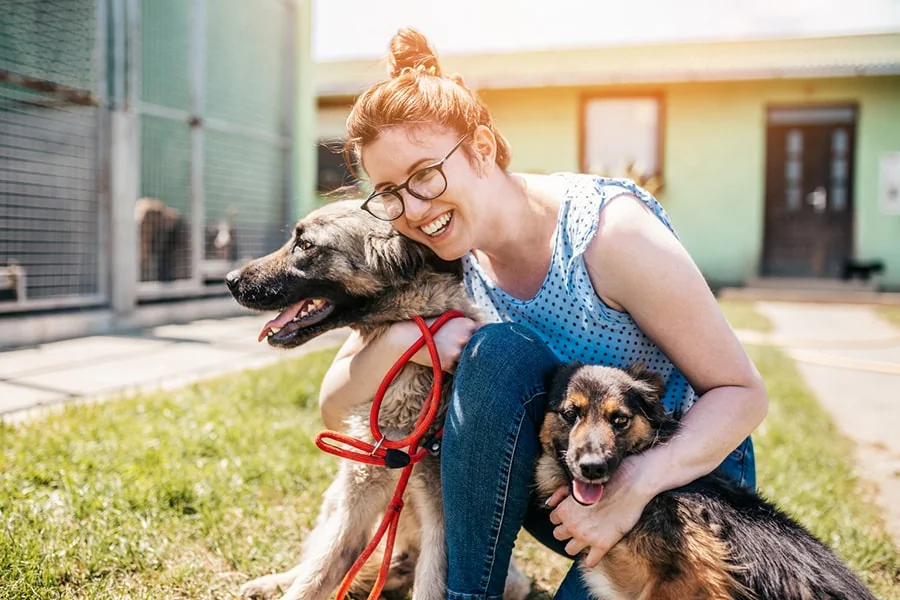
Rescue work can feel endless. You see animals left behind, scared, and hurting. You want to help, but you cannot do it alone. That is where animal hospitals step in. A Richmond, VA veterinarian and staff can give rescue groups and adopters the support they need to keep animals safe and ready for new homes. They provide medical care. They guide you through tough choices. They stand beside you when cases feel heavy. This blog will show five clear ways animal hospitals support rescue and adoption programs. You will see how medical exams, surgery, vaccines, behavior help, and follow up care can change an abandoned animal into a loved family pet. You will also see how working with a trusted clinic can protect your time, money, and energy, so you can focus on what matters most. You help animals survive. Hospitals help them move forward.
1. Health exams that protect both pets and people
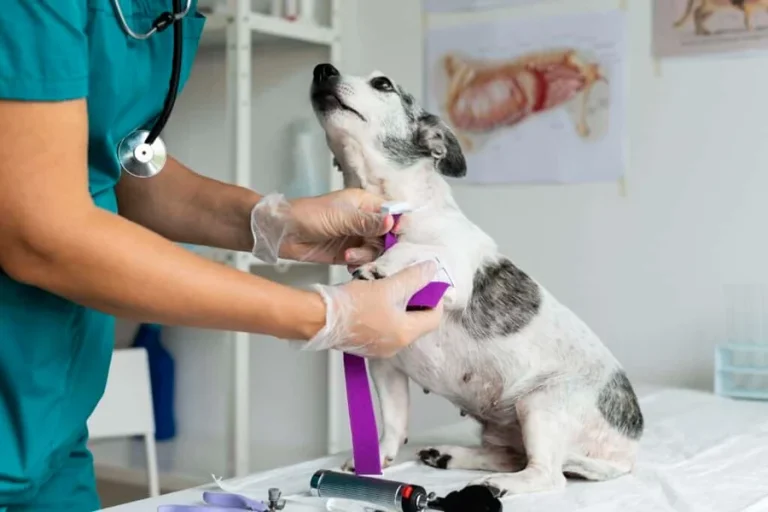
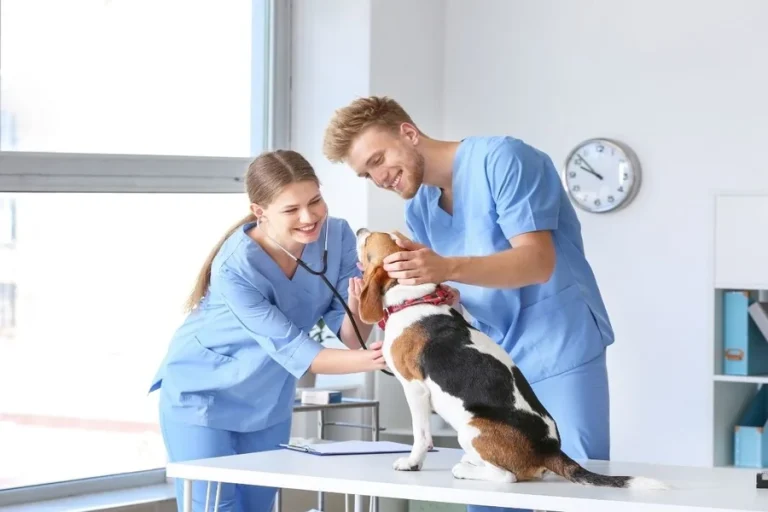
Every rescued animal carries unknowns. You often do not know their past, health, or exposure to disease. A full exam is the first real step toward a safe adoption.
During an intake exam, a veterinarian can
- Check weight, heart, lungs, teeth, and skin
- Test for common infections and parasites
- Screen for pain, injury, and hidden illness
This process protects adopters and their families. It also protects other pets in the home. The Centers for Disease Control and Prevention explains that some diseases spread between animals and people, like ringworm and certain intestinal parasites.
With exam results, you get a clear care plan. You know which animals can move straight into foster homes. You also know which ones need treatment or isolation. That clarity lowers risk and fear for everyone.
2. Surgery and spay or neuter that break the cycle
Unplanned litters keep shelters crowded. Spay and neuter surgery cut that cycle. They also lower the risk of some cancers and infections.
Animal hospitals support rescue groups by
- Offering spay or neuter before adoption
- Fixing hernias, wounds, or old injuries
- Removing damaged teeth that cause pain
Routine surgery can look simple. It still needs trained staff, clean tools, and safe anesthesia. Rescue groups often lack that setup. Hospitals step in with safe surgery and close watching before and after the procedure.
This care changes lives. One surgery can prevent many unwanted litters. That means fewer animals on the street. It also means less pressure on your rescue group and your volunteers.
3. Vaccines and parasite control that stop outbreaks
Shelters and foster homes are crowded spaces. A single sick animal can start an outbreak. Vaccines and parasite control stop that chain.
Animal hospitals help by
- Giving core vaccines for dogs and cats on intake
- Starting heartworm, flea, and tick prevention
- Testing and treating worms, mites, and other parasites
The American Veterinary Medical Association offers clear vaccine guidance for shelters and rescues.
Consistent vaccines do three things. They protect each animal. They protect your whole rescue program. They also protect the community. Fewer sick animals means fewer hard calls, fewer lost adoptions, and fewer painful outbreaks.
4. Behavior insight and training support
Many rescued animals carry fear, trauma, or confusion. They may bark, hide, snap, or soil indoors. You might feel blame or frustration. That reaction is human. It is also fixable.
Animal hospitals can
- Check for pain that looks like “bad behavior”
- Offer simple behavior plans for common problems
- Refer you to trainers who use kind methods
For example, a dog that growls when touched may have arthritis. A cat that urinates outside the box may have a urinary infection. Once the pain is treated, the “behavior” often fades.
When problems remain, staff can teach you and adopters how to
- Use safe handling and calm routines
- Build trust through rewards and patience
- Set simple house rules that feel clear for the animal kaiyo
Behavior support keeps animals in homes. That means fewer returns and less heartbreak for your team and for families.
5. Ongoing care and clear communication for adopters
Support after adoption is just as important as help before it. New families face questions. They want clear answers and realistic plans.
Animal hospitals often
- Offer first visits for new adopters
- Create written care plans for chronic issues
- Explain warning signs that need quick care
This support builds trust. When adopters feel backed by a medical team, they are more ready to take in animals with past injuries or health needs. That opens homes for older pets and those with special needs.
How hospital support changes outcomes
The table below shows how rescue work looks with and without strong hospital support. These numbers are sample figures. They show trends many groups report when they add a steady clinic partner.
| Measure | Without strong hospital support | With strong hospital support
|
|---|---|---|
| Average days from intake to adoption | 45 days | 25 days |
| Adoption return rate within 6 months | 20 percent | 8 percent |
| Animals spayed or neutered before adoption | 60 percent | 98 percent |
| Outbreaks of contagious disease per year | 4 outbreaks | 1 outbreak |
| Average medical cost per animal | High and unpredictable | Lower and planned |
Shorter wait times, lower returns, and fewer outbreaks mean more happy endings. They also mean less stress for your staff and volunteers.
How you can work with an animal hospital
You can start or strengthen a partnership with simple steps.
- List the services you use most often, such as exams, vaccines, and spay or neuter
- Track how many animals you intake each month
- Reach out to local clinics to share your mission and your needs
- Ask about rescue pricing, payment plans, and set surgery days
- Create clear intake and medical forms that you share with the clinic
Each rescue group is different. Yet every group benefits from clear medical support. With a steady hospital partner, you can move from crisis mode to planned care.
You carry the weight of each life you save. Animal hospitals share that weight. Together, you give every rescued animal a fair chance at a safe home and a calm future.