Why General Dentistry Should Be Viewed As Preventive Healthcare

You might think of the dentist only when something hurts. That delay often leads to deeper pain, higher costs, and lost time. General dentistry works best when you use it early and often. It protects your mouth and your whole body. Regular cleanings, exams, and simple X-rays can catch silent problems before they spread. Small cavities, gum infection, and cracked teeth grow fast when you ignore them. They can affect how you eat, sleep, and speak. They can even strain your heart and blood sugar. When you treat general dentistry as preventive healthcare, you gain control. You avoid emergency visits. You keep your natural teeth longer. You stay confident when you talk and smile. This is true wherever you live. It is especially true if you need dental care in Smithfield and want steady health, not quick fixes.
How Your Mouth Connects To Your Whole Body
Your mouth is not separate from the rest of your body. Infection in your gums can enter your blood. It can strain your heart. It can raise your risk for stroke. It can make blood sugar harder to control if you have diabetes.
Research from the Centers for Disease Control and Prevention shows clear links between poor oral health and heart disease, diabetes, and pregnancy problems. You may feel fine. Yet early disease can grow in your mouth without clear pain.
General dentistry spots this hidden damage. Routine visits give your dentist a clear view of change over time. That steady watch protects your body as much as your smile.
What General Dentistry Does To Prevent Disease
General dentistry is not only fillings and extractions. It is a steady plan that keeps the disease from taking hold. At routine visits, your dentist and hygienist usually provide three core steps.
- Careful exam of teeth, gums, tongue, and jaw
- Thorough cleaning that removes plaque and hard tartar
- Targeted X-rays when needed to see between teeth and under old work
From these steps, your dentist can:
- Find small cavities before they reach the nerve
- Spot early gum infection before teeth loosen
- See cracks in teeth before they break
- Check bite problems that cause jaw pain and headaches
- Screen for oral cancer while it is still small
Each problem is easier to treat when you find it early. You feel less pain. You spend less money. You lose less time from work or school.
Prevention Versus Waiting For Pain
It helps to see the real cost of waiting. This simple table shows common problems and how early care compares to late care.
| Condition | If Found Early | If You Wait For Pain
|
|---|---|---|
| Small cavity | Quick filling. One visit. Lower cost. | Root canal and crown or extraction. More visits. Much higher cost. |
| Early gum disease | Deep cleaning. Home care plan. Teeth stay firm. | Loose teeth. Tooth loss. Costly surgery or dentures. |
| Cracked tooth | Onlay or crown before fracture spreads. | Broken tooth. Emergency visit. Extraction or implant. |
| Oral cancer spot | Small biopsy. Higher chance of cure. | Spread to neck. Tough treatment. Lower survival. |
You may think you save money by skipping cleanings. Instead, you often trade small, predictable costs for sudden, large bills. You also trade calm visits for urgent care when you feel most fragile.
What To Expect At A Preventive Visit
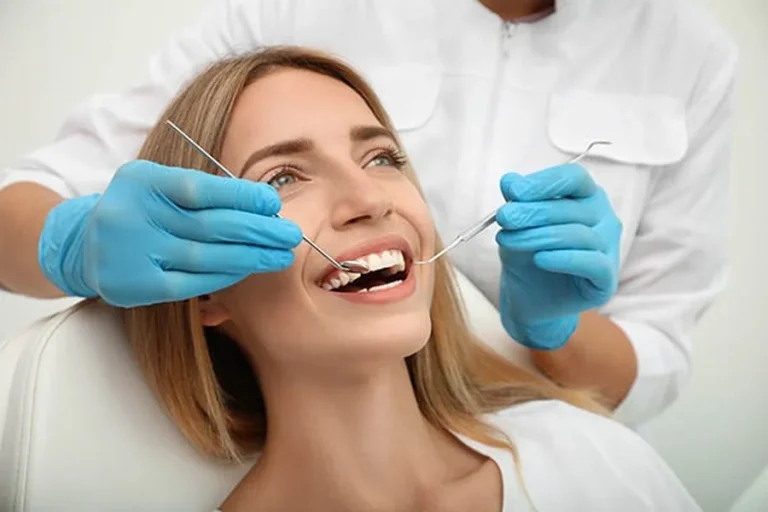
Many people avoid dentists because they fear the unknown. Knowing the steps can ease that fear. A typical preventive visit includes three simple parts.
- Review. You share your health history and any new medicines. You mention pain, dry mouth, clenching, or snoring.
- Cleaning. A hygienist removes plaque and tartar. Then the teeth are polished. Gums are checked for bleeding or pockets.
- Exam. The dentist checks each tooth, your gums, tongue, and cheeks. X-rays are taken only when needed. You then hear clear options.
You stay in control. You can ask for plain words. You can ask about costs and timing. You can plan care in steps that fit your life.
How General Dentistry Protects Children And Teens
Children who see a dentist early build strong habits. The National Institute of Dental and Craniofacial Research notes that tooth decay is one of the most common chronic diseases in children. Yet it is preventable.
Regular visits for children often include three key tools.
- Fluoride treatments that harden new teeth
- Sealants on back teeth to block decay
- Guidance for brushing, flossing, and snack choices
These steps protect school performance. Children with tooth pain often miss class. They may have trouble eating and speaking. Early dental care protects learning and self-respect.
Making Preventive Dental Care A Routine
Preventive care works only when it becomes routine. You can start with three simple actions.
- Schedule cleanings and exams at least twice each year.
- Brush two times each day with fluoride toothpaste and floss once.
- Limit sweet drinks and snacks between meals.
You do not need perfection. You need steady effort. Every visit gives your dentist a chance to catch small changes. Every day of home care slows the disease.
Seeing General Dentistry As Healthcare, Not A Luxury
General dentistry is healthcare. It is not a luxury or a beauty service. It protects how you eat, speak, and relate to others. It also protects your heart, lungs, and blood sugar.
When you keep regular dental visits, you show respect for your body. You spare your future self from avoidable pain. You guard your family from stressful emergencies. That steady choice may feel small today. In time, it shapes your health, your budget, and your peace of mind.