3 Benefits Of Using Digital Technology In General Dental Exams
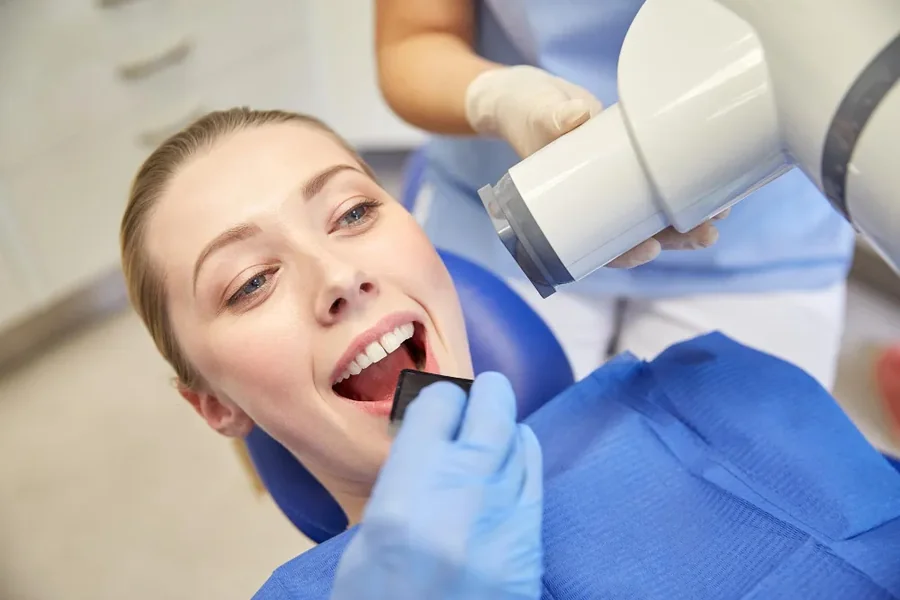
You deserve clear answers during every exam. Digital tools now give you that. When your dentist uses 3D scans, digital X‑rays, and photos, you see what is happening in your mouth in real time. You can ask sharper questions. You can agree to treatment with less fear and doubt. This is true whether you need a simple cleaning or dental implants in Toronto. Digital records also help your dentist track changes in your teeth and gums over time. Small problems show up sooner. Painful surprises show up less. Finally, digital technology can shorten your visit. It can reduce repeat appointments and guesswork. That means less time in the chair and more control in your day. This blog explains three clear benefits you gain when your dentist uses digital tools during general exams, so you can protect your mouth with more confidence and less stress.
1. You see what your dentist sees
In a traditional exam, you lie back and hear numbers and words that do not mean much. You may feel judged or confused. Digital tools change that. They turn your mouth into clear pictures that you can see and understand.
Common digital tools during a general exam include:
- Digital X rays
- Intraoral photos with a small camera
- 3D scans that map your teeth and bite
These tools show cracks, early decay, and gum changes in clear detail. You see stains, worn edges, and old fillings that leak. You see how your teeth fit when you bite.
This clear view gives you three gains.
- You understand the problem. A dark spot on a digital X-ray or a close photo of a broken filling is hard to ignore.
- You understand the options. Your dentist can point to the screen and show what a filling, crown, or other treatment would fix.
- You feel part of the plan. You are not a passive patient. You are a partner.
The American Dental Association explains how digital X-rays use lower radiation and help with early diagnosis.
2. Problems show up earlier, and treatment is more exact
Tooth and gum problems grow in silence. You may not feel pain until decay is deep or bone loss is serious. Digital tools help your dentist spot warning signs long before you feel something is wrong.
For example, digital X-rays can show:
- Small cavities between teeth
- Bone loss from gum disease
- Infections at the root tip
- Impacted teeth that cannot break through
Intraoral photos can show:
- Early cracks in teeth
- Gum redness and swelling
- Wear from grinding
3D scans can show:
- How your bite lines up
- Spaces for crowns and bridges
- Jaw shape for future treatment planning
When your dentist has this level of detail, treatment can be smaller and more exact. A tiny cavity can get a small filling. A rough edge on a tooth can get smoothed before it chips. Early gum disease can get cleaning and home care before teeth loosen.
Here is a simple comparison of traditional and digital exams.
be treated withable border=”1″ cellpadding=”6″> Feature Traditional exam Digital exam View for you Mostly verbal, mirror only On screen with photos and scans Detection of small cavities Relies on explorer tool and sight Uses high detail digital X rays Tracking changes over time Paper notes and memory Stored images that can be compared visit to visit Radiation for X rays Higher with old film Lower with digital sensors Time to see images Film needs time to process Images appear almost at once
The National Institute of Dental and Craniofacial Research explains how early detection protects teeth and cuts pain.
3. Your visits can be shorter and more personal
Many people fear the dental chair because they expect long visits and repeat trips. Digital technology can reduce both. It gives your dentist fast information and clear records.
Here is how that helps you.
- Faster images. Digital X-rays and photos show up right away. There is no wait for the film to develop.
- Less retakes. Clear sensors and settings lower the chance of blurred or dark images.
- Easy sharing. If you need a second opinion or a specialist, your dentist can send digital files instead of mailing film.
- Better record keeping. Your history stays stored and is easy to pull up. Your dentist can compare last year and this year on the same screen.
This speed means more of your time goes to talking, asking questions, and planning. Your dentist can sit with you and point to exact spots on the screen. You can ask what happens if you treat now or wait. You can talk about cost, comfort, and timing with facts in front of you.
For families, this matters even more. Children often feel scared in new rooms with bright lights. A quick photo on a small camera can feel less scary than a mirror and a long exam. A parent can sit with a child and look at the images together. That shared view can calm fear and build trust.
How to ask for digital tools at your next exam
You do not need special words or knowledge. You only need a few clear questions.
During your next visit, you can ask:
- Do you use digital X-rays and photos during exams
- Can you show me my teeth on the screen as you check them
- Can we compare my current images with my last visit
- Can you explain what you see and what my choices are
If your dentist does not use digital tools, you can still ask for clear talk and written notes. You deserve to understand your mouth and your options.
Bottom line
Digital technology in general dental exams gives you three strong benefits. You see what your dentist sees. Problems show up earlier and treatment is more exact. Your visits can be shorter and more personal. These gains protect your teeth, your time, and, your peace of mind. At your next exam, speak up and ask to see your mouth on the screen. Your smile is yours. Your information should be yours too.