Why Animal Hospitals Are Essential For Long Term Pet Health
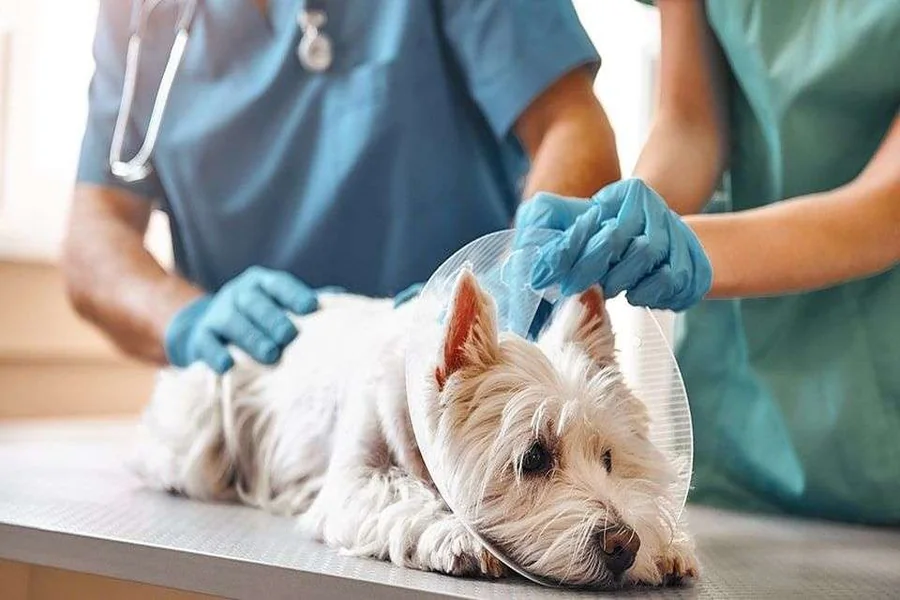
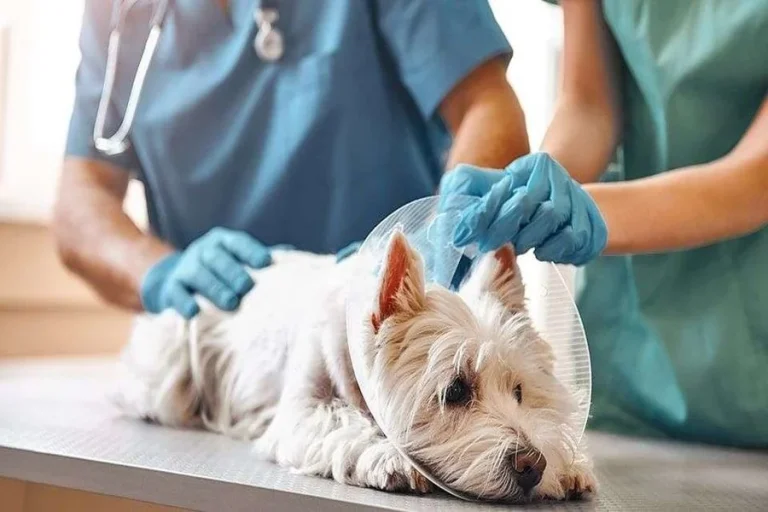
Your pet depends on you for everything. Food. Safety. Comfort. Long term health. You cannot carry that weight alone. An animal hospital gives your pet steady care from the first vaccine to the last goodbye. You get clear answers when something feels wrong. You also get a plan to prevent illness before it steals your pet’s strength. Regular visits with a trusted team keep small problems from turning into emergencies. You see changes early. You act early. Your pet stays active longer. If you work with a veterinarian in Studio City, CA, or anywhere else, an animal hospital connects you with lab tests, imaging, surgery, and nursing care in one place. This support lowers fear, pain, and costs over time. It also gives you peace of mind. You know you are not guessing with your pet’s health. You are acting with a partner.
Why steady veterinary care matters
You may see your pet every day and still miss slow changes. Weight gain. Stiff joints. Quiet behavior. A vet team trains for years to spot these early warning signs. Regular exams catch disease when it is still small and easier to control. That protects your pet’s comfort and your savings.
The Centers for Disease Control and Prevention explains that healthy pets also protect human health. Vaccines and parasite control lower the risk of bites, infection, and germs that pass from animals to people. When you keep up with care at an animal hospital, you protect your whole household.
Preventive care that extends your pet’s life
Preventive care is the quiet work that keeps your pet out of crisis. You may not see instant change. You do see fewer midnight emergencies and fewer shocking bills. Core parts of preventive care include three simple steps.
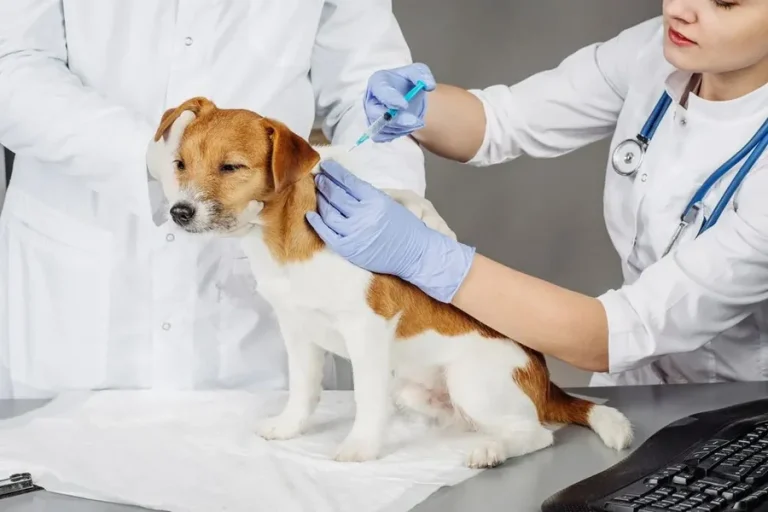
- Routine checkups and vaccines
- Year round parasite control
- Dental care and weight control
First, routine checkups give your vet a baseline. The team tracks weight, heart rate, and behavior over time. Even small shifts can signal kidney trouble, heart strain, or pain. Early steps slow these problems.
Next, parasite control blocks fleas, ticks, heartworms, and intestinal worms. The U.S. Food and Drug Administration warns that heartworm disease can cause lung and heart damage that is hard to treat. A monthly preventive from your animal hospital is far cheaper and safer than late treatment.
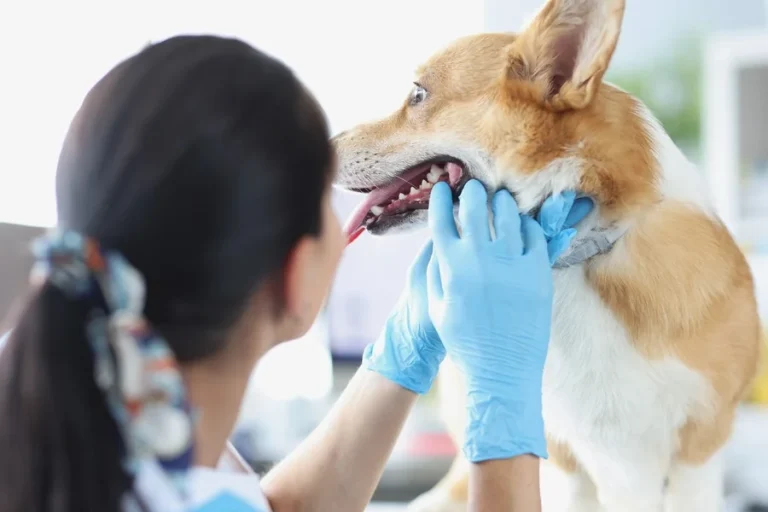
Finally, dental cleanings and diet counseling guard against tooth loss, infection, and obesity. These issues shorten life and cause quiet daily suffering. Your vet team shows you what to watch for and how to feed your pet in a way that supports long term strength.
How animal hospitals handle emergencies and chronic disease
Even with careful planning, emergencies happen. A fall. A car strike. Sudden vomiting. When you already have a relationship with an animal hospital, you know where to go. The team knows your pet’s history. That saves precious minutes.
Animal hospitals offer
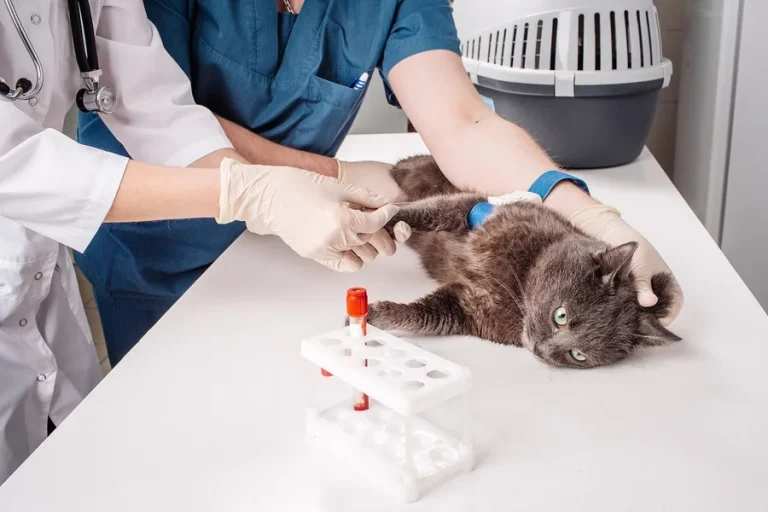
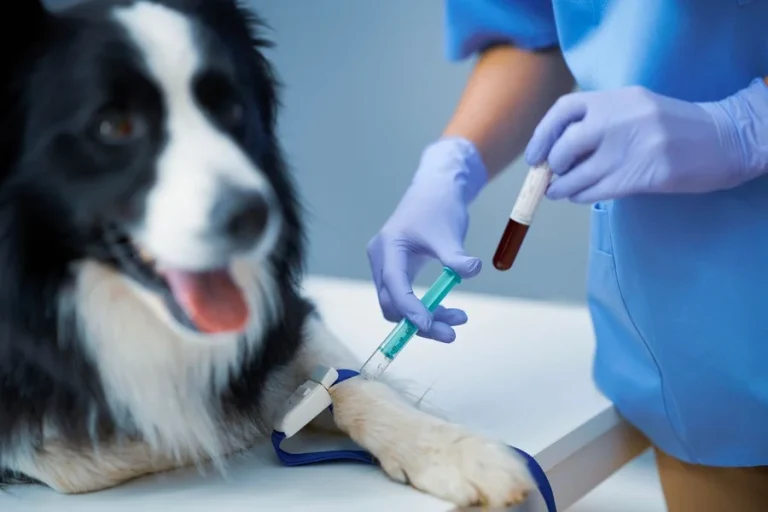
- On site blood work and imaging
- Surgery and anesthesia monitoring
- IV fluids, oxygen, and pain control
These tools turn fear into action. You get clear options and honest odds. You choose the level of care that fits your pet and your family.
Chronic diseases need this same structure. Pets live longer now. That means more cancer, diabetes, kidney disease, and arthritis. Animal hospitals set up treatment plans that include checkups, lab tests, and home care instructions. You learn how to give medicine, track symptoms, and adjust as your pet ages.
Comparing routine care and emergency care
You might wonder how much routine visits really change outcomes. The pattern is clear. When you invest in steady care, you often avoid the hardest days. This simple table shows key differences.
| Type of care | Typical timing | Common cost pattern | Effect on pet health
|
|---|---|---|---|
| Routine exams and vaccines | Once or twice per year | Smaller planned costs | Finds disease early and prevents many infections |
| Parasite and dental care | Monthly preventives and yearly cleanings | Steady low to moderate costs | Prevents heartworm, pain, and tooth loss |
| Emergency visits | Sudden and unplanned | High unexpected costs | Treats advanced or life threatening problems |
| Chronic disease management | Regular rechecks and lab work | Ongoing but more predictable costs | Slows disease and improves comfort and function |
You cannot remove all risk. You can reduce avoidable suffering. Routine care is more effective after treatment. Your pet recovers with fewer setbacks. You face fewer shocks.
Choosing and using an animal hospital wisely
You deserve a vet team that respects your budget, time, and love for your pet. When you choose an animal hospital, pay attention to three things.
- Clear communication and respect
- Team training and services offered
- Access in urgent situations
First, notice how staff speak with you. You should feel safe asking questions. You should leave with written steps and a plan for what to watch at home.
Second, ask about services. Many animal hospitals offer wellness care, surgery, dental work, imaging, and lab tests. Some also offer behavior counseling and nutrition support. A broad team keeps care in one place so you do not need to move your pet between clinics often.
Third, ask how the hospital handles urgent cases. Some offer same day slots. Some guide you to an emergency partner at night. Knowing this ahead of time lowers panic when every minute counts.
Your role in your pet’s long term health
An animal hospital is a partner. You are the constant presence. You see the small changes. You schedule the visits. You carry out the home care plan. When you and your vet work together, your pet gets the best chance for a long, steady life.
Watch for changes in appetite, thirst, weight, energy, breathing, or bathroom habits. Write them down. Bring that list to each visit. Ask about screenings that match your pet’s age, breed, and lifestyle. Then follow through on the agreed plan.
Your pet gives you trust without conditions. You repay that trust when you choose regular care at an animal hospital. You are not just reacting to illness. You are building a safer, calmer life for the animal who counts on you every day.