How Animal Clinics Manage Parasite Prevention Programs
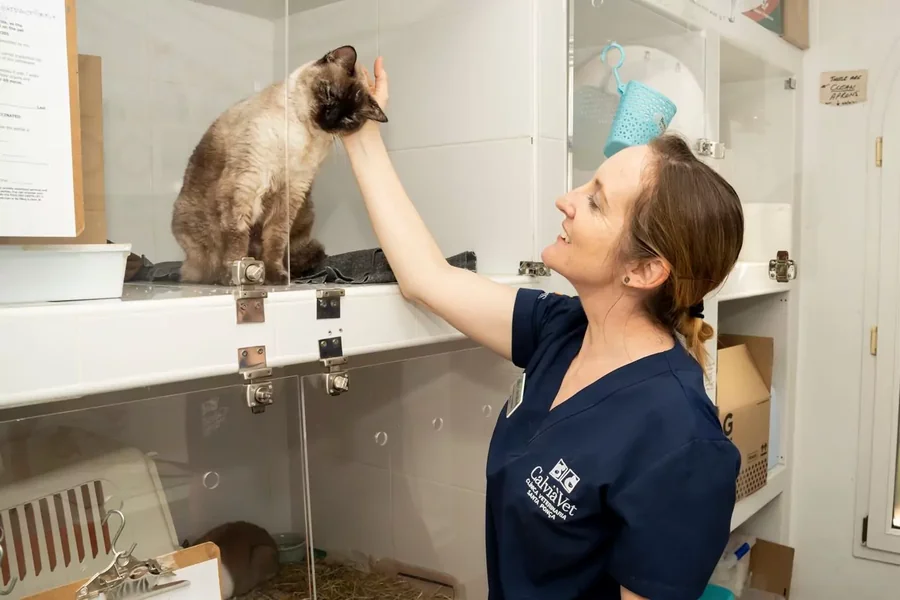
Parasites threaten your pet’s health. You need to act before problems start. Most animal clinics, including the North Little Rock pet clinic, have programs to manage parasite prevention. You might wonder, why all the fuss? Parasites spread diseases quickly. They cause pain and discomfort. Clinics offer tests and vaccinations to stop them. You learn what to do at home. You follow guidelines for regular care. Clinics help you stay ahead of issues. They focus on keeping your pet safe. They work with you to stop the spread. You play a big role too. You must watch for signs of trouble. You need to follow their advice. This teamwork makes a real difference in prevention. Clinics care for your pet’s well-being. They aim to keep your pet happy and healthy. You see results with fewer problems. Your pet’s health depends on these efforts. It’s not just treatment. It’s active prevention.
Understanding Parasite Threats
Parasites harm pets in many ways. Fleas and ticks are common threats. They cause itching and discomfort. Worse, they spread diseases. Heartworms pose a lethal risk. Transmitted by mosquitoes, they affect your pet’s heart and lungs. Roundworms, hookworms, and tapeworms cause internal damage. You might not see symptoms immediately, but these parasites harm over time. Recognizing the threat is crucial. You need to act swiftly.
The Role of Animal Clinics
Clinics provide vital support in parasite prevention. They use regular check-ups as a first line of defense. During these visits, vets check for signs of parasites. They offer treatments that suit your pet’s needs. Clinics provide tailored advice. They help you understand which parasites are common in your area. You learn how to reduce risks through simple actions. For example, keeping your pet’s environment clean reduces the chance of infestation.
Common Prevention Strategies
- Regular Check-Ups: Clinics schedule routine visits. Early detection leads to effective prevention.
- Medications: Vets prescribe preventive medications. These treatments stop parasites before they cause harm.
- Vaccinations: Clinics offer vaccines against certain parasites. This bolsters your pet’s immune system.
- Education: You receive guidance on maintaining a parasite-free environment at home.
Preventive Medications
Preventive medications play a central role. They are safe and effective. These treatments differ for various parasites. Heartworm prevention is crucial. You apply a topical solution or give a pill monthly. Flea and tick preventives also protect your pet. Some treatments combine multiple protections. Consult your vet to choose the best option.
Parasite Prevention Comparison Table
| Parasite Type | Common Symptoms | Prevention Method |
|---|---|---|
| Fleas | Itching, redness | Topical treatments, oral medications |
| Ticks | Red spots, swelling | Collars, spot-on treatments |
| Heartworms | Coughing, lethargy | Monthly preventive pills |
| Roundworms | Weight loss, vomiting | Regular deworming |
Importance of Consistency
Consistency matters in prevention. Follow your vet’s advice without skipping doses. Parasites can quickly return if prevention lapses. Schedule regular check-ups. Update your vet on any changes. Keep your pet’s living space clean. Your efforts at home support clinic-based prevention. This partnership strengthens your pet’s health.
Conclusion
Protecting your pet from parasites is manageable. With the help of animal clinics, like the Centers for Disease Control and Prevention’s guidelines, you take proactive steps. You reduce risks and ensure a happy, healthy life for your pet. Together, you and your vet form a strong defense against parasites.