What It Means to Feel Like Yourself Again After Hair Loss
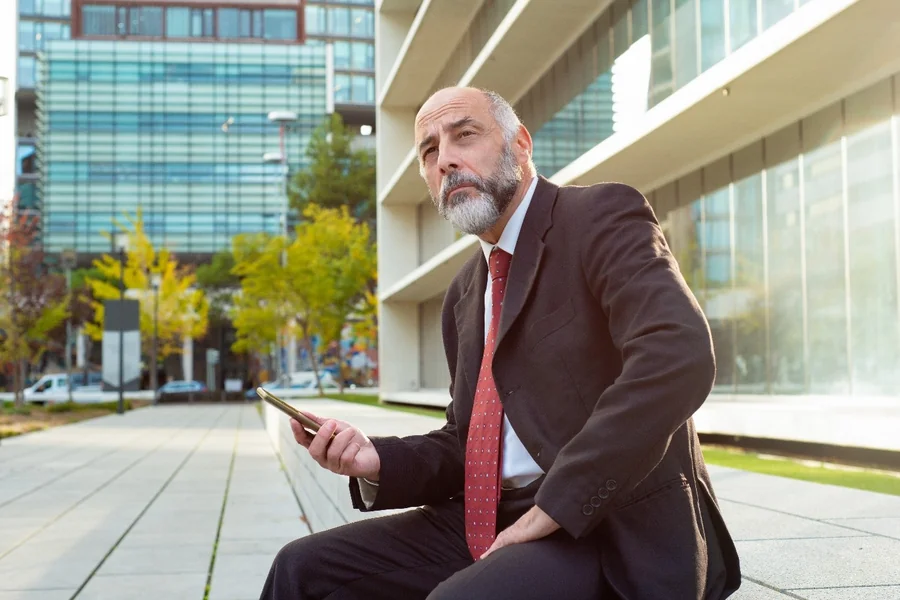
There is a strange kind of silence that comes with losing your hair. People treat it like a cosmetic issue. Something small. Something you should rise above. But it has weight. It has presence. It changes how you move through your day. It changes how you see yourself before you see anything else.
Hair loss does not happen all at once. It happens in small, almost invisible moments. A photo where you look different but cannot explain why. A mirror angle that feels unfamiliar. A part that looks wider. A haircut that no longer sits the way it used to. People tell you not to overthink it. People tell you it is normal. But those reassurances rarely match the quiet shift happening inside you.
Losing hair is not just about losing hair. It is about losing a version of yourself you thought was permanent.
The Identity You Did Not Realize Was Attached to Your Hair
Hair should be simple. A feature. A detail. But it is connected to identity in ways that are not obvious until it starts to disappear. The way you style it. The way it frames your face. The way it signals your age, your personality, your confidence. These are things you only notice when they begin to fade.
Hair loss makes you confront the truth that identity has physical anchors. You expect your features to age. You expect your style to evolve. You do not expect to lose something that once felt so automatic. It changes the relationship you have with your own reflection. You start negotiating with the mirror. Adjusting angles. Trying to find the version of yourself you remember.
The emotional shift is real. The grief is real. But it is a quiet grief. One most people do not acknowledge out loud.
How Hair Loss Alters Your Sense of Self
When your hair thins, your relationship with visibility changes. You become more aware of how you look. Not in a vain way. In a self protective way.
You start to:
- avoid certain cameras
- avoid certain lighting
- adjust your posture
- adjust how close you stand to people
- plan your day around your appearance
You feel yourself curating moments that used to feel easy. You feel yourself trying to maintain control over something that keeps slipping away.
The deeper truth is that hair loss pushes you into a strange in between place. You still feel like yourself internally. But the external version no longer matches. It creates a mismatch between who you are and what you see.
That friction wears on you.
The Turning Point: When You Start Wanting Yourself Back
There is always a moment when something shifts. Sometimes it happens gradually. Sometimes something small triggers it. A photo you did not expect. A comment someone made casually. A sense of fatigue from constantly managing your appearance.
You stop trying to hide it and start wanting to fix it. Not out of vanity. Out of recognition. You want the mirror to show you something familiar again. You want the version of yourself who felt effortless. You want the ease of getting ready without strategizing around angles.
You want yourself back.
Why Seeking Help Feels Like Relief, Not Defeat
People often treat cosmetic help like it should be a last resort. As if choosing to do something for your appearance is equivalent to admitting weakness. But fixing something that affects your confidence is not weakness. It is clarity.
Choosing to explore real solutions gives you something hair loss took away: control.
You stop reacting to the problem. You start addressing it. You let yourself imagine a future where you do not have to manage, hide, or negotiate your reflection. The emotional relief starts long before any visible change happens.
When You Finally See Change
There is a quiet moment that happens during the process of restoration. Not the final reveal. Not the dramatic transformation. Something earlier and smaller.
You look in the mirror and notice something different. Your hairline looks stronger. Your density looks fuller. Your reflection looks more familiar. It is not a sudden shock. It is recognition. A part of you returning.
This is the moment people talk about when they describe seeing real hair transplant results for the first time. You realize you are not trying to hide anymore. You are not adjusting angles. You look. And you feel the soft exhale of seeing yourself again.
The Emotional Weight of Getting Your Hair Back
Hair restoration changes more than the way you look. It changes how you participate in your life. People underestimate the psychological impact of feeling comfortable in your own face again.
When your appearance stops feeling unstable, everything else loosens:
- your social confidence
- your presence in photos
- your ease around strangers
- your comfort in intimacy
- your ability to focus on anything other than your appearance
You stop managing. You stop negotiating. You stop shrinking.
You start showing up the way you used to.
Feeling Like Yourself Again Is A Quiet Transformation
The biggest shift is not visual. It is internal. You go from feeling disconnected from your reflection to feeling grounded in it again. You stop carrying the low level hum of insecurity. You stop fixating on the parts of yourself that felt lost.
You return to the version of yourself that felt steady. Not because you became someone new. Because you became yourself again.
Hair restoration is not about vanity. It is about identity. It is about stability. It is about recognizing yourself without trying to convince yourself. It is the emotional equivalent of exhaling after holding your breath for too long.
The Real Meaning of “Feeling Like Yourself Again”
People think confidence is loud. They think it shows up as boldness or swagger. The truth is that confidence is quiet. It is a lack of interruption. It is the absence of self doubt running in the background of your mind.
Feeling like yourself again simply means that your reflection stops being a problem to solve. It becomes familiar. Neutral. Yours.
Hair loss takes that ease away. Restoration gives it back. And there is nothing superficial about wanting that level of peace.
You are not chasing youth. You are reclaiming recognition.
And that is one of the most human things you can do.