
When to Find a Dentist: Essential Signs for Optimal Oral Health
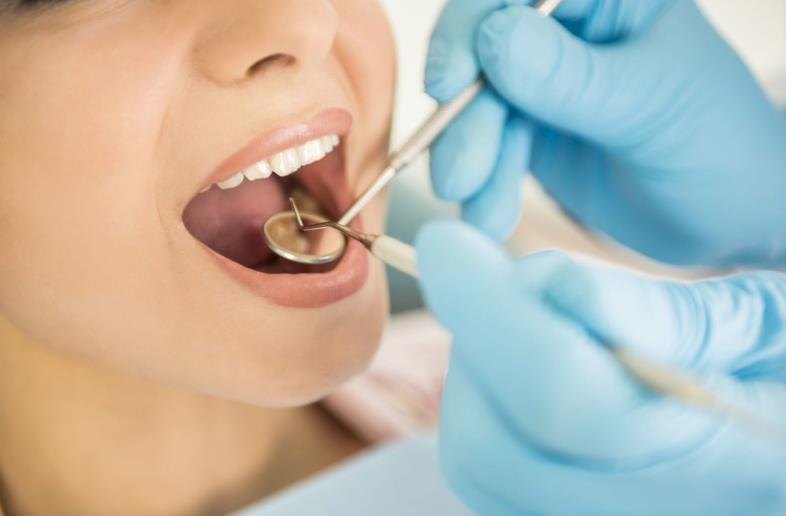
It is of utmost importance that everyone maintains optimal oral health, and that doesn’t just mean brushing and flossing nightly. It certainly doesn’t mean only going to the dentist if you’re feeling pain. The problem, of course, is that pain can serve as a pretty good indicator that something is awry in your mouth, but that’s not a sign you want to be heeding. Keeping good dental habits, then, is a way of making the mouth a no-fly zone for cavities, gum disease, and other dental health issues. And visiting the dentist North Shore for semi annual check-ups is the way to ensure that you keep those dental habits.
Signs of Gum Disease
It is crucial for your gums to be healthy to maintain overall oral stability. If your gums bleed when brushing or flossing, or appear swollen and red, it could be a sign of gum disease—gingivitis or periodontitis—that requires immediate professional attention. Left untreated, these conditions may lead to serious oral health issues like tooth loss. Incorporating products like dental probiotics (available at: https://www.amazon.com/Dental-
Chronic Bad Breath
Bad breath can have various explanations, from a decreased amount of saliva, which is usually the case upon waking, to gum disease, poor hygiene, or problematic digestive issues. If bad breath is just occasionally bothering you, then you can just freshen up your oral hygiene routine. If it is more chronic, then now is the time to identify the reason why so that an oral health professional can make it more right than wrong click here stylusworlds.
Loose or Shifting Teeth
If you see that your teeth are loose or shifting position, it is critical to get to the dentist right away. Loose teeth often are in the final stages of gum disease or some other dental problem and are almost never the result of good oral health. Your dentist will examine your gums, see how far the disease has progressed, and almost certainly will recommend a deep cleaning of your teeth and gums, along with some means of re-pocketing your gums (meaning they will sew them up again so that they stay closer to your teeth than they otherwise would). Sometimes, it is possible to make teeth that are loose because of gum disease functional again so that they are more or less securely in place in your mouth. If done, that work is done in coordination with a periodontist (the gum and bone half of the tooth-to-gum-and-bone equation).
Difficulty Chewing or Swallowing
Experiencing trouble chewing, swallowing, or discomfort while eating can be a signal that something is functionally wrong with your teeth. Significant trouble with these basic functions can dampen your quality of life, so if you’re having these feelings, you should definitely seek out professional help. It’s probably orthodontics; they deal with the bite problems. It could also be really bad cavities, which can cause significant toothache and make it impossible to chew or bite down


