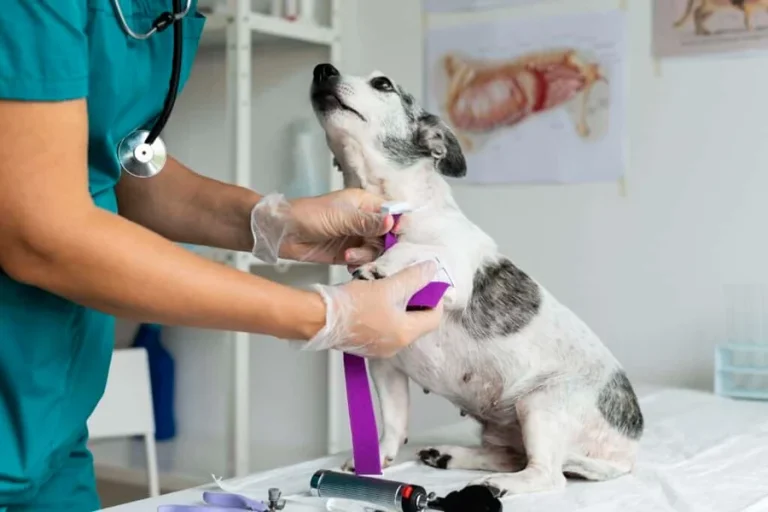
The Value Of On-Site Diagnostic Labs In Animal Hospitals
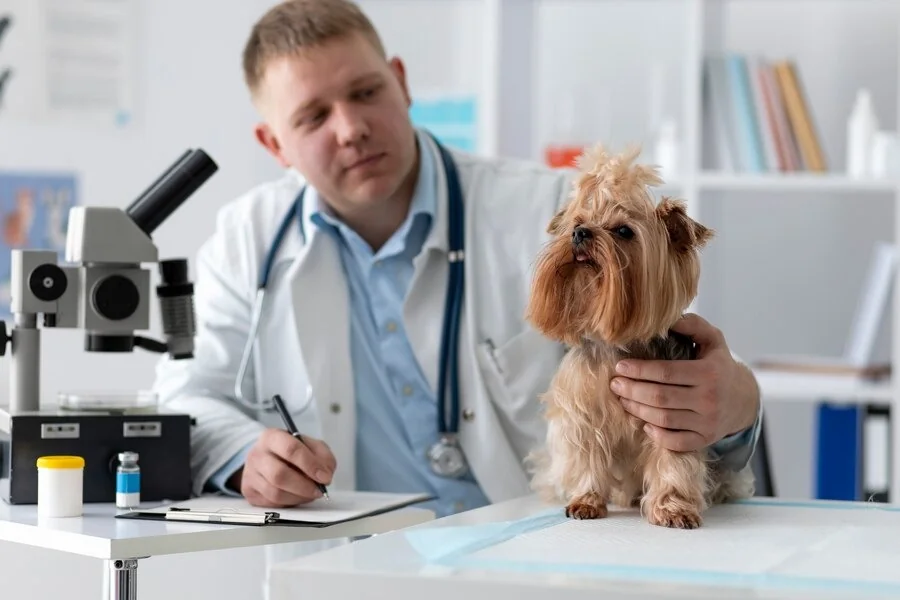
When your animal is sick, every minute feels long. You want clear answers and a clear plan. On-site diagnostic labs in animal hospitals give you both. You do not wait days for blood work or imaging to come back from another place. Instead, your care team can test, review, and act in one visit. That speed can protect organ function, ease pain, and prevent sudden loss. It also cuts repeat trips and extra stress for you and your animal. You sit with staff who know your animal’s full story. They match test results with what they see in the exam room. This close link between testing and treatment builds trust. It also supports safer use of medicine and surgery. If you use a veterinary in Cloverdale or any other town, an on-site lab can change how you face the hardest days with your animal.
Why Fast Test Results Matter For Your Animal
Time shapes outcomes. Many common problems in dogs, cats, and other animals change quickly. Internal bleeding, poisoning, heat stress, severe infection, and blocked urine flow can shift in hours. You often see only small changes at home. Yet inside the body, organs may already struggle.
On-site labs give your care team the numbers they need during that short window. Basic tests can show:
- Blood loss or clotting trouble
- Kidney and liver strain
- Blood sugar swings
- Electrolyte shifts that affect the heart
- Signs of infection or inflammation
Without this data, treatment can turn into guesswork. With it, your animal can get focused care that fits the problem instead of broad care that may miss the mark.
Common On-Site Tests And What They Show You
On-site labs often run a core group of tests that guide most urgent decisions. These tests are simple to collect and fast to run. They also give clear, shareable numbers you can track over time.
- Complete blood count. Shows red cells, white cells, and platelets. This can point to infection, anemia, or clotting trouble.
- Blood chemistry. Shows kidney values, liver values, blood sugar, and proteins. This helps judge organ strain and fluid needs.
- Electrolytes. Shows sodium, potassium, and similar salts. These affect heart rhythm and nerve function.
- Urinalysis. Shows kidney function, infection, and sugar loss in the urine.
- Fecal tests. Show parasites and some gut infections.
- Rapid tests. Check for heartworm, some tick diseases, parvo in dogs, and similar threats.
The United States Department of Agriculture explains how fast tests support early disease control in animals. You can see an example in its guidance on animal disease testing and response.
How On-Site Labs Change Your Visit Experience
On-site labs also change how the visit feels for you and your family. You do not sit at home in fear while you wait for a phone call. Instead, you stay part of the process from start to finish.
During a visit with on-site testing, your care path often follows three steps.
- First, the team gathers history and runs a full exam.
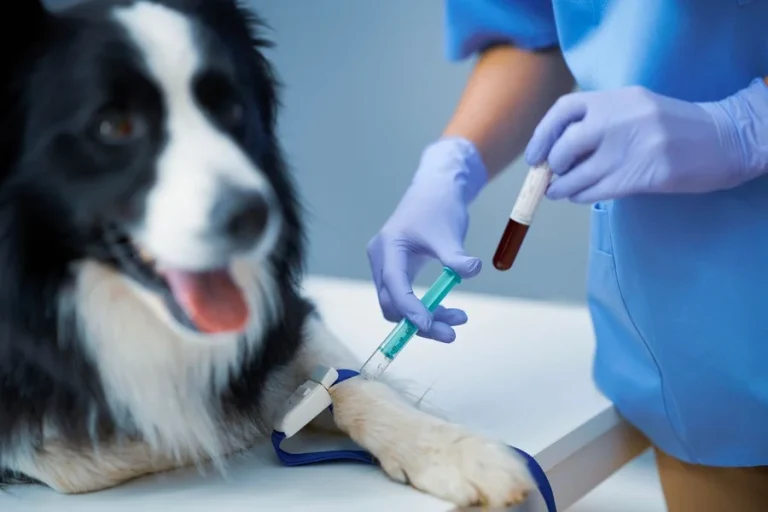
- Next, they collect samples and run tests while you wait.
- Finally, they walk through the results with you and start treatment right away.
You can ask clear questions while the facts are fresh. You can see how test results line up with what you notice at home. Children in the family can also hear a simple plan, which can reduce fear and guilt.
Comparing On-Site Labs and Off-Site Labs
Both on-site and off-site labs have a place in animal care. Complex or rare tests still go to large reference labs. Yet for most urgent and routine needs, on-site testing offers clear gains.
| Feature | On-Site Diagnostic Lab | Off-Site Reference Lab
|
|---|---|---|
| Typical turnaround time | Minutes to a few hours | One to three days or more |
| Use during emergencies | Strong use. Guides same day action | Limited use. Results often come after a crisis |
| Need for repeat visits | Fewer repeat visits for results | More return visits or phone follow-up |
| Range of test types | Core tests for most cases | Wide menu including rare tests |
| Stress on animal | Shorter stay. Fewer trips | Longer wait. More trips |
| Cost pattern | Upfront lab gear cost for clinic. Often bundled visit cost | Per test send-out cost. Shipping fees |
The balance is clear. For most daily problems, on-site labs bring you faster answers, fewer visits, and tighter links between test and treatment.
Trust, Safety, and Quality Control
You also need to know that fast results are correct. Trust rests on careful lab practice. Many animal hospitals follow quality steps that mirror human health labs.
- Regular checks of lab machines
- Use of control samples to test accuracy
- Staff training on sample handling
- Clear records of each result
The Centers for Disease Control and Prevention describe how good lab practice supports safe results in human care. The same core ideas apply when your animal is on the exam table. You can read about these lab basics in the CDC guide on laboratory best practices.
You have the right to ask how your hospital runs its lab. Simple questions about machine checks, staff training, and backup plans for complex tests show respect for your animal and for the team.
How On-Site Labs Support Long-Term Care
Fast testing helps during emergencies. It also helps with long-term care. Many animals live with ongoing problems such as kidney disease, thyroid disease, or diabetes. These need regular checks to keep drugs at safe levels and to spot slow change.
On-site labs allow quick rechecks during short visits. Your care team can adjust drug doses or diet right away. Three key gains stand out.
- You see patterns early. Small shifts in kidney values or blood sugar can shape the next step.
- You avoid gaps in care. You do not wait weeks for dose changes.
- You stay engaged. Clear numbers help you stick with home plans.
Routine care is more effective after treatment when each visit adds new data and a clear next step.
What To Ask Your Animal Hospital
When you look for an animal hospital, you can use simple questions to learn about on-site lab support.
- Do you have an on-site lab for blood, urine, and rapid tests
- How fast do you get results for urgent problems
- Which tests still go to an outside lab
- How do you keep lab results accurate
- Can you explain test results in plain language during the visit
These questions show that you want a clear plan, not guesswork. They also set a tone of shared duty between you and the care team.
Standing With Your Animal When Minutes Count
When your animal hurts, you carry fear, anger, and hope all at once. On-site diagnostic labs do not erase that pain. Yet they give you something solid. They give you time, facts, and a path forward.
You walk out of the hospital with more than a bill. You walk out with test results, a clear story of what is happening inside your animal, and a plan that starts now. That is the value of on-site diagnostic labs in animal hospitals.