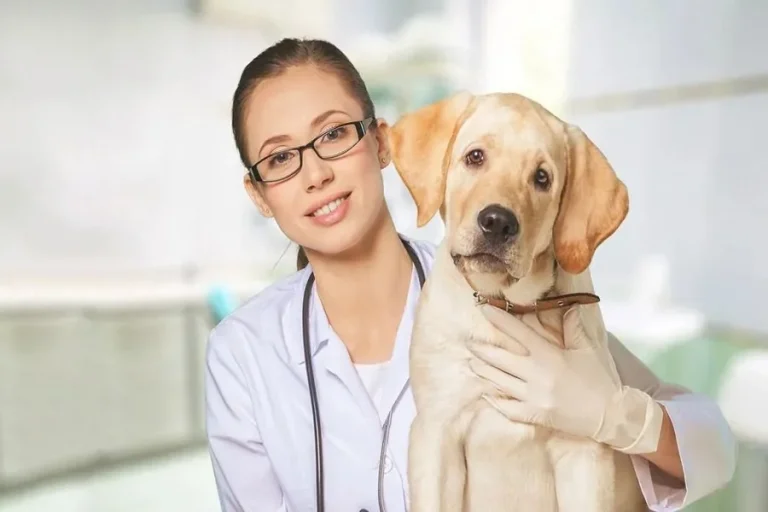
Why Vaccination Programs Are Vital In Veterinary Clinics
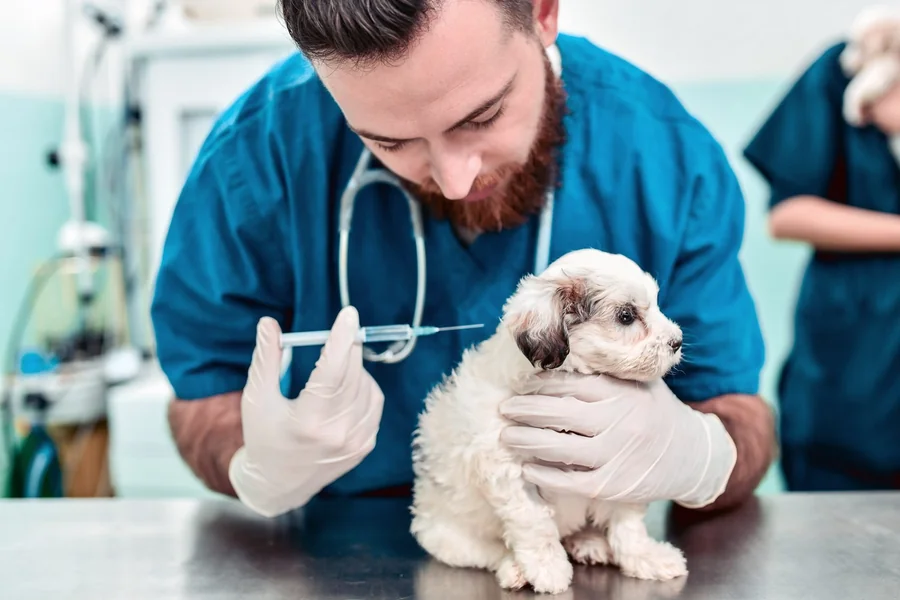
Vaccines protect animals from harsh diseases. They also protect your family and community. When you walk into a clinic, you want more than quick care. You want a simple plan that keeps your pet safe. Vaccination programs give you that plan. These programs set clear schedules, track shots, and catch gaps before sickness spreads. They shield puppies, kittens, senior pets, and working animals. They also lower the risk of bites, infection, and hard choices. Every DeRidder veterinarian uses vaccines to stop outbreaks before they start. That protects pets in waiting rooms, staff who handle scared animals, and you at home. Without steady vaccination programs, one sick pet can harm many others. With them, clinics stay safer, visits stay calmer, and treatment costs stay lower. You gain control. Your pet gains a longer, steadier life.
How Vaccination Programs Work In Clinics
You see a quick shot. The clinic sees a full system. A vaccination program is a planned series of visits and records that guide every step.
Core parts include three simple pieces.
- A set schedule based on age and risk
- Accurate records that follow your pet for life
- Clear reminders so you do not miss doses
Each visit gives the team a chance to check weight, eyes, ears, teeth, and behavior. Every shot visit is also a health check. That steady contact lets the clinic spot trouble early, long before it turns into a crisis.
Why Your Pet Needs More Than “One And Done” Shots
Many diseases spread through the air, shared bowls, soil, or bites. Some hit hard and fast. Others stay quiet, then strike when your pet is weak. A one-time shot cannot handle that. Your pet’s body needs a first series, then regular boosters.
Routine shots do three things.
- Build strong protection in young animals
- Keep that protection from fading with time
- Adjust for new risks such as travel or boarding
Without this rhythm, your pet’s defenses drop. You may not see any sign until sudden fever, vomiting, cough, or nerve signs show up. At that point, treatment can be harsh and costly. A steady program keeps the door shut before disease walks in.
Protection For Your Family And Community
Some animal diseases can move from pets to people. Rabies is one. Ringworm and certain bacterial infections are others. Young children, pregnant people, older adults, and those with weak immune systems face greater harm.
When clinics run strong vaccination programs, they cut that shared risk. A vaccinated pet is less likely to carry or spread severe germs. That protects your home, your neighbor’s yard, and public spaces like parks.
The Centers for Disease Control and Prevention explains how rabies vaccines in pets protect people from this deadly disease. You can read more at CDC rabies and pets.
Common Diseases Vaccines Help Prevent
Different species face different threats. Yet the pattern is clear. Vaccines target fast-spreading, harsh diseases that cause suffering and death.
| Pet | Core Disease | How It Spreads | Key Outcome Without Vaccine
|
|---|---|---|---|
| Dog | Rabies | Bites from infected animals | Near 100 percent death once signs start |
| Dog | Parvovirus | Contact with infected stool or surfaces | Severe vomiting, bloody stool, death in many puppies |
| Cat | Panleukopenia | Contact with body fluids or surfaces | Rapid decline, high death in kittens |
| Cat | Rabies | Wild animal bites | Fatal brain infection, risk to people |
| Horse | Tetanus | Wounds contaminated with soil | Muscle spasms, breathing failure, death |
The American Veterinary Medical Association gives clear lists of core vaccines for dogs, cats, and horses. You can see details at the AVMA vaccination guidance.
How Vaccination Programs Save Money And Stress
Some people fear the cost of vaccines. In truth, treatment for preventable disease often costs far more in money and heartache.
Here is a simple comparison using typical clinic ranges.
| Service | Approximate Cost Range | Impact On You And Your Pet
|
|---|---|---|
| Full puppy or kitten vaccine series | Low to moderate | Multiple short visits, strong protection, calm planning |
| Yearly booster visit | Low | Quick exam, updated shots, chance to ask questions |
| Hospital stay for parvo or panleukopenia | High | Days of IV fluids, fear, and risk of death |
| Rabies exposure investigation | High | Quarantine, legal review, possible loss of pet |
Planned vaccines cost less than emergency care. They also spare your family from the shock of sudden illness and the hard end-of-life decisions.
What To Expect From A Strong Clinic Vaccination Program
When a clinic treats vaccination as a program, you can expect three clear steps.
- A first visit that reviews age, lifestyle, health history, and any travel
- A written schedule that sets dates for each shot and booster
- Reminder calls, texts, or emails so you do not miss a visit
The team will also review side effects. Most are mild, such as brief soreness or sleepiness. Serious reactions are rare. The staff will tell you what to watch for and when to call.
How You Can Support Your Pet’s Vaccination Plan
You play a key role. Three simple steps help keep your pet safe.
- Keep your contact details current with the clinic
- Bring any records you have from breeders, shelters, or past clinics
- Tell the team about changes in behavior, travel, or home life
Each small detail helps the veterinarian adjust the plan. House cats, hunting dogs, barn cats, and show horses face different risks. A clear picture of your pet’s daily life leads to a safer schedule.
Closing Thoughts
Vaccination programs are more than a list of shots. They are a promise that your clinic will stand between your pet and a harsh disease. They protect your home, your community, and the people you love. When you stay on schedule, you cut risk, cost, and fear. You give your pet a real chance at a long, steady, comfortable life.