
Common Challenges in Retaining Wall Construction and How to Overcome Them
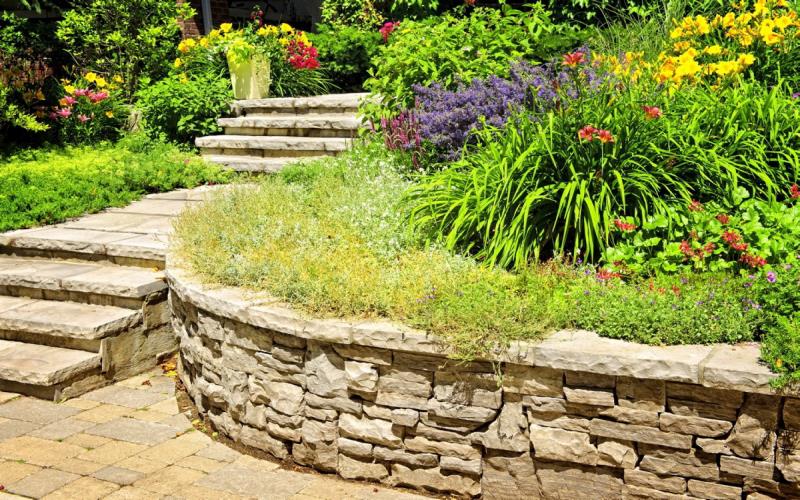
Retaining walls are an essential feature in landscaping, offering both functional and aesthetic benefits for properties. They prevent soil erosion, manage water runoff, and define outdoor spaces beautifully. Whether you’re a landscaper, homeowner, or a DIY enthusiast, constructing a retaining wall can seem like an exciting project. However, it comes with its own set of challenges. Without a solid understanding of potential pitfalls, your well-intentioned project could face expensive setbacks.
This article takes you through the most common challenges in retaining wall construction and provides practical advice on how to overcome them. By the end, you’ll have the insights needed to ensure a strong, durable, and visually appealing retaining wall.
Common Challenges in Retaining Wall Construction
Poor Drainage and Water Management
One of the leading causes of retaining wall failure is poor drainage. When water builds up behind a wall without a proper escape route, the pressure can lead to cracking or complete destabilization. This weakens the structure over time and makes it unsafe.
How to Avoid Drainage Issues:
- Install Drainage Pipes: Perforated pipes placed at the base of the wall can direct water away efficiently.
- Use Gravel Backfill: Gravel or coarse aggregate should be added behind the wall to allow water to flow freely.
- Include a Weep Hole System: Weep holes are small openings that allow trapped water to escape easily.
Proper drainage is critical, especially for regions that experience heavy rainfall. If you’re in South Australia, for example, materials like Concrete Sleepers in Adelaide are often recommended for their durability in handling drainage pressure.
Incorrect Material Selection
Choosing the wrong materials can jeopardize your wall’s stability, lifespan, and overall appeal. Homeowners and DIY enthusiasts often find themselves debating which materials to use—wood, stone, or concrete. While each has its merits, the climate and purpose of your retaining wall often dictate what will work best.
Why Concrete Sleepers Work Best:
- Concrete sleepers, particularly in regions like Adelaide, are known for their strength, longevity, and ability to handle earth pressure.
- Unlike timber, they resist weather exposure and termites, making them a low-maintenance choice.
Tips for Material Selection:
- Assess the soil type and slope of your land to determine the load your wall will bear.
- Consult with a Retaining Wall Industries professional for personalized advice when in doubt.
Inadequate Foundation Preparation
A solid foundation is the backbone of any retaining wall. Without it, your wall’s stability is at serious risk, regardless of how sturdy your materials are. Poorly compacted soil or skipped leveling can lead to leaning or collapsing walls over time.
Steps for a Strong Foundation:
- Start by leveling the base where the wall is to be built.
- Compact the soil thoroughly to eliminate air pockets.
- Use a layer of crushed stone or gravel as your foundation base for added stability.
- Account for proper drainage within the foundation to prevent waterlogging beneath the wall.
If you’ve opted for Concrete Sleepers in Adelaide, make sure they are installed with adequate depth into the ground to anchor the wall securely.
Lack of Professional Guidance
While DIY projects are rewarding, retaining walls can be complex. Without the right skills or experience, small missteps can snowball into major issues.
Challenges Faced by DIY Enthusiasts:
- Misjudging wall height, affects stability.
- Overlooking critical structural elements like tie-backs or support beams.
- Using improper tools or techniques.
Solution:
Partnering with experts from Retaining Wall Industries can save both time and money while ensuring your wall is built to the required standards. Even seeking a one-time consultation can provide invaluable insights into your project.
How to Overcome These Challenges
Addressing the challenges above requires careful planning, attention to detail, and often, professional expertise. Here’s how to tackle each hurdle head-on:
- Ensure proper water management through thoughtfully designed drainage systems.
- Choose high-quality materials such as Concrete Sleepers in Adelaide, which offer excellent durability and versatility across a variety of landscapes.
- Prepare your foundation meticulously by compacting soil and leveling the base.
- Don’t hesitate to seek professional advice—even seasoned landscapers do this to avoid costly mistakes.
Conclusion
Retaining walls are more than just practical landscaping elements—they are investments in your property’s long-term stability and aesthetics. By recognizing and addressing common construction challenges, you can create walls that stand the test of time.


