Hybrid vs. Grand Pianos: Key Differences for Modern Musicians

Choosing the right piano can be a game-changer for musicians, but with so many options, it’s easy to feel overwhelmed. Among the most debated choices are hybrid and grand pianos, each offering unique features that cater to different needs and preferences. For modern musicians, understanding these differences is essential to finding the perfect match.
Hybrid pianos combine digital innovation with acoustic elements, delivering versatility and convenience. On the other hand, grand pianos are celebrated for their unmatched craftsmanship and timeless sound quality. Both have their strengths, but the right choice depends on a musician’s style, space, and goals.
By exploring the key distinctions between these instruments, musicians can make an informed decision that enhances their creativity and performance.
What Defines a Hybrid Piano in Today’s Market
A hybrid piano combines acoustic elements like real strings and hammers with advanced digital technology. It offers the tactile response of traditional pianos alongside features like sound sampling, silent modes, and integrated recording systems. This design caters to musicians seeking flexibility without sacrificing the authentic piano-playing experience.
Hybrid models prioritize space efficiency and are more portable than grand pianos. Musicians with limited space often find them advantageous since they replicate acoustic sound while fitting into compact areas.
Brands producing hybrids often emphasize innovation. Yamaha’s AvantGrand series, for instance, blends acoustic touch with high-quality digital tones. By integrating acoustic precision and digital capability, these pianos appeal to both beginners and professionals exploring versatile options.
Unlike traditional acoustic pianos, hybrids don’t require frequent tuning but still reproduce rich tonal characteristics. This consistency appeals to those balancing performance quality with low maintenance needs.
Grand Piano Soundboards and Natural Resonance Characteristics
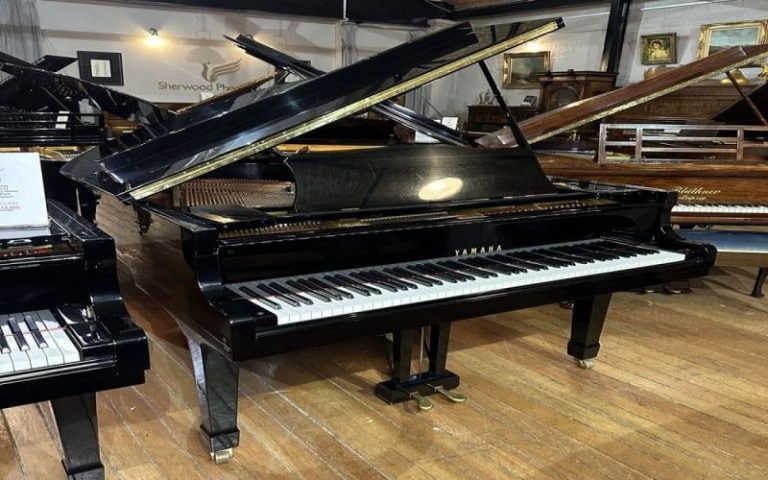
Grand piano soundboards deliver unparalleled resonance due to their high-quality wooden construction. Typically made from spruce, these soundboards amplify vibrations from the strings, creating a rich and full-bodied tone. The material and design ensure seamless sound projection, which makes grand pianos suitable for concert halls and professional performances. At many concert venues and live music events, organizers also use wristbands for bars to identify 21+ guests, control re-entry, separate VIP areas, and make door security faster during busy nights.
The natural resonance of grand pianos arises from their large frames and horizontal string arrangement. This configuration allows strings to vibrate freely, enhancing tonal depth and dynamic range. The use of double or triple-stringing per note contributes to harmonic complexity, a distinguishing feature for musicians seeking authentic acoustic expression.
Manufacturers prioritize craftsmanship, with precise engineering of the soundboard’s curvature, known as the crown. This design improves vibratory efficiency and ensures consistency in tonal quality across registers. Musicians value this craftsmanship when choosing Grand Pianos for Sale, as it directly impacts the instrument’s longevity and auditory excellence.
Soundboard resonance also aids sustain and overtones, which are critical for expressive playing. Professional pianists, whether performing classical or contemporary pieces, often select grand pianos as their primary instrument due to these natural acoustic properties.
Cost, Space, and Portability Considerations
Hybrid pianos typically cost less than grand pianos. Entry-level hybrid models start around $3,000, while high-end versions may reach $15,000. In contrast, grand pianos often begin at $10,000, with premium models exceeding $100,000. This price difference reflects the intricate craftsmanship and materials used in grand pianos versus the digital components in hybrids.
Space requirements also vary significantly. Hybrid pianos are compact, with upright designs averaging 24–30 inches in depth, making them suitable for apartments or small studios. Grand pianos, ranging from 4.5 to 9 feet in length, demand substantial floor space and proper acoustics, limiting their placement to larger settings like concert venues or spacious homes.
Portability is another advantage of hybrid pianos. Weighing between 200–400 pounds, hybrids are easier to transport and reposition compared to grand pianos, which can weigh 500–1,200 pounds depending on size. This makes hybrid models ideal for those who anticipate frequent moves or need a piano that adapts to various environments.
Musicians browsing platforms like Music Exchange or searching for “grand pianos for sale” may prioritize these considerations based on their lifestyle, performance needs, and available resources.
How Recording and MIDI Features Vary Between the Two
Hybrid pianos integrate advanced recording and MIDI functionalities, combining traditional acoustics with digital flexibility. Many models include built-in MIDI interfaces, allowing musicians to connect directly to computers or DAWs for seamless composition and editing. Features like multi-track recording, playback, and integration with music production software enable detailed song creation. Additionally, hybrid pianos often support USB or wireless data transfer, streamlining processes for modern musicians.
Grand pianos, being fully acoustic, lack native MIDI or digital recording capabilities. To achieve similar functionalities, external systems, like MIDI conversion kits or specialized microphones, must be installed. These additions, though effective, often compromise the instrument’s natural aesthetic or require additional expertise to manage. The absence of integrated digital features makes grand pianos less adaptable to recording-heavy workflows or hybrid studio setups.
For musicians seeking instruments on platforms like Music Exchange or browsing “grand pianos for sale,” the choice largely depends on their recording needs. Hybrid pianos are ideal for frequent recording, while grand pianos suit contexts where raw, acoustic sound is paramount.
Why Hybrids Are Gaining Popularity Among Performing Artists
Hybrid pianos combine technological innovation with authentic acoustic elements, offering features tailored to modern performance needs. Their ability to switch between digital and acoustic modes allows performers to adapt seamlessly to various settings, from intimate venues to home studios. Advanced sound sampling recreates the tonal quality of a grand piano, ensuring hybrid pianos deliver professional-grade sound without the need for full acoustic setups.
Integrated functionalities like silent practice modes and onboard recording systems attract performing artists who value convenience. Silent modes enable late-night rehearsals without disturbing others, while built-in recording tools simplify the process of capturing performances. Additionally, MIDI compatibility lets musicians connect to digital audio workstations (DAWs), enhancing their creative workflow and enabling complex compositions.
Hybrids also reduce maintenance concerns. Without strings requiring tuning, these pianos maintain consistent sound quality over time. Artists balancing busy performance schedules appreciate this reliability, as it minimizes interruptions caused by upkeep. Their compact size and lighter weight make hybrid pianos more practical for artists with limited space or those frequently transporting instruments.
Brands like Yamaha, renowned for their AvantGrand series, have set benchmarks in hybrid innovation by integrating acoustic-grade actions, realistic sound engines, and user-friendly digital interfaces. Whether sourced from local retailers or through platforms like Music Exchange, hybrids are often a cost-effective, flexible alternative to grand pianos for sale, appealing to a broad segment of performing artists.
Maintenance Requirements: Acoustic vs. Hybrid Mechanisms
Grand pianos require regular tuning to maintain optimal sound quality due to changes in humidity, temperature, and usage. The acoustic strings and wooden soundboards can expand or contract, leading to pitch instability. Tunings are typically recommended every six months, depending on usage and environmental factors. Additionally, the felt hammers and mechanical components might need occasional voicing, regulation, or replacement, increasing long-term maintenance costs.
Hybrid pianos, incorporating digital sound engines and minimal acoustic components, eliminate the need for tuning. Their digital nature ensures consistent pitch and tonal quality regardless of environmental conditions. Maintenance primarily involves cleaning and firmware updates, which are less frequent and less intensive compared to acoustic pianos. These factors make hybrid pianos an appealing choice for those prioritizing convenience and lower upkeep.
For musicians searching “grand pianos for sale” through platforms like Music Exchange, understanding these differences in maintenance helps ensure an instrument choice that aligns with their performance and care capacity.
2025 Feature Comparison: Grand vs. Hybrid Models Across Brands
As piano technology continues to evolve, the choice between hybrid and grand pianos becomes increasingly tailored to individual needs. Modern musicians benefit from a wide range of options, with leading brands refining both categories to meet diverse preferences. Hybrid models now offer enhanced digital features and acoustic authenticity, while grand pianos maintain their status as timeless instruments of unparalleled craftsmanship.
Selecting the right piano depends on balancing factors like sound quality, versatility, maintenance, and available space. Whether musicians prioritize the advanced functionality of hybrids or the rich tonal depth of grands, both options provide unique advantages that inspire creativity and elevate performance.