A Complete Guide to Building Natural Stone Fire Pits in Ohio
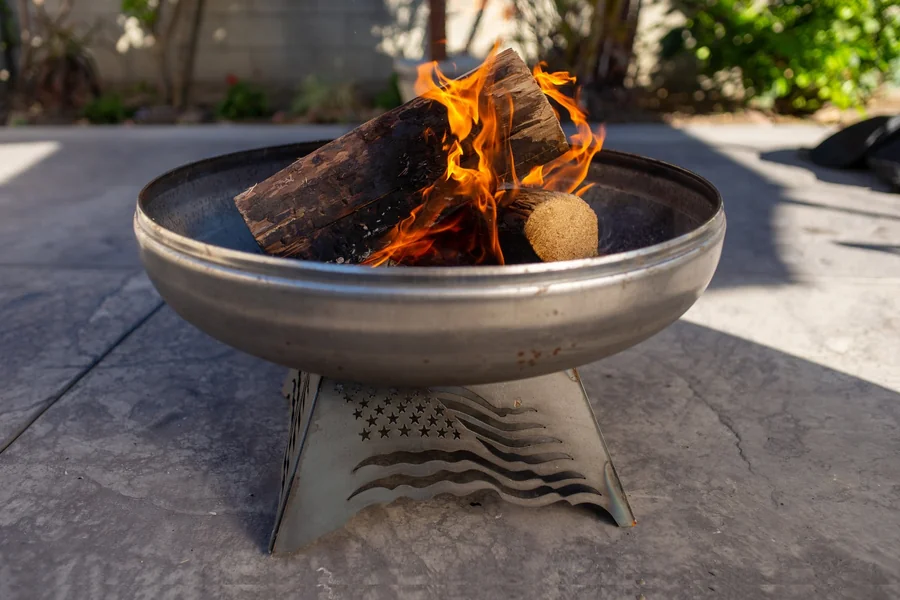
A natural stone fire pit adds charm and functionality to any outdoor space, creating a cozy gathering spot for friends and family. In Ohio, where seasonal changes bring cool evenings, fire pits are a popular feature for homeowners looking to enhance their backyards. The timeless appeal of natural stone ensures durability and blends seamlessly with the surrounding landscape.
Building a fire pit might seem daunting, but with the right guidance, it’s a rewarding project that boosts property value and outdoor enjoyment. From selecting the perfect stone to understanding local regulations, knowing the essentials is key to creating a safe and stunning centerpiece for your yard.
Local Codes and Permits You’ll Need for a Fire Pit in Ohio
Understanding local regulations ensures compliance when building a natural stone fire pit in Ohio. Each municipality has distinct building codes, zoning laws, and fire safety requirements governing outdoor fire pit installations.
- Permits: Many areas in Ohio require permits for permanent fire pit structures. Local building departments typically review design plans to ensure safety and adherence to regulations. Checking permit requirements before starting construction avoids project delays.
- Setbacks: Ohio codes often specify setbacks, which determine the fire pit’s distance from property lines, buildings, and flammable structures. Most guidelines recommend at least 15-25 feet, depending on local ordinances.
- Burn Bans: Seasonal burn bans are common in Ohio to reduce fire hazards. These bans may restrict the use of wood-burning fire pits during dry months, impacting fire pit usability.
- Material Restrictions: Specific materials like limestone may have limitations in certain areas due to potential heat-related cracking. Consulting sources like trusted design catalogs, including options from Stone Center, ensures material approval within regulations.
Following a detailed Stone Fire Pit Guide that incorporates local regulations simplifies planning and guarantees compliance during construction.
Selecting Heat-Resistant Stone Types for Long-Term Use
Choosing heat-resistant stones ensures fire pits withstand high temperatures and harsh weather. Durable options like granite, sandstone, or basalt handle intense heat without cracking. Basalt, for example, absorbs and radiates heat evenly, making it ideal for Ohio’s fluctuating temperatures. Sandstone provides a natural aesthetic and moderate heat resistance, while granite offers exceptional durability for prolonged use.
Avoid stones prone to cracking under high heat, such as limestone or river rocks. These materials may trap moisture, causing breakage when exposed to sudden temperature increases. Always source stones from reputable suppliers like Stone Center to guarantee quality and safety. Using a trusted stone fire pit guide can simplify your selection process by offering detailed comparisons and sourcing tips.
Prioritize uniform size and shape when selecting stones for easier stacking and increased stability. Larger stones provide better insulation, enhancing heat retention and safety. Proper stone selection extends the fire pit’s lifespan and minimizes maintenance needs.
Designing Fire Pits With Built-In Seating or Patio Extensions
Incorporating built-in seating or patio extensions into fire pit designs transforms outdoor spaces into functional and inviting areas. Built-in seating, such as stone benches, provides durability and enhances the cohesive aesthetic of natural stone fire pits. Designers typically arrange these benches in a semi-circular or U-shaped layout, maximizing social interaction and optimizing the fire pit’s heat distribution.
Patio extensions increase the usable area around the fire pit, making them ideal for larger gatherings. Expanding the foundation with natural pavers or flagstone ensures seamless integration into the landscape. A well-designed extension also improves safety by creating a defined boundary between the fire pit and surrounding grass or vegetation. This additional buffer zone helps comply with Ohio’s setback regulations, which often require a minimum distance of 15-25 feet from buildings or property lines.
Using heat-resistant materials for both seating and patios is essential to maintain structural integrity over time. Stone Center’s options, including basalt or sandstone pavers, align with these requirements while offering appealing visual elements. The Stone Fire Pit Guide emphasizes arranging elements to enhance usability without compromising the aesthetic balance of the space.
How to Incorporate Gas Lines Safely Into Stone Structures
Incorporating gas lines into natural stone fire pits enhances convenience and usability. Ensuring safety when integrating gas lines requires adherence to strict procedures and guidelines to avoid potential risks.
1. Consult Professionals
Employ licensed contractors experienced with gas line installation. They understand local building codes and ensure compliance with Ohio regulations, reducing the risk of accidents or fines. Professionals also recommend optimal gas line materials, such as stainless steel or flexible corrugated piping, for durability in natural stone applications.
2. Determine Proper Placement
Plan the gas line route based on the fire pit’s design and surrounding elements. Keep gas lines unobstructed and place shut-off valves in accessible locations. Maintain sufficient distance from heat sources and sharp edges within the stone structure to prevent damage.
3. Use Quality Materials
Choose corrosion-resistant gas lines and connectors suitable for outdoor use. High-quality components reduce leakage risks and enhance the system’s lifespan. Stone Center’s resources, part of many stone fire pit guides, also provide trusted material recommendations for integration with stone fire pits.
4. Install Ventilation Features
Include vents in the stone structure to disperse gas build-up. Proper ventilation minimizes the likelihood of gas-related accidents while maintaining safe operation over time.
5. Perform Leak Tests
Test gas lines for leaks after installation. Professionals conduct pressure tests to confirm the integrity of the entire setup. Regular inspections of fittings and connections help maintain system safety.
6. Follow Manufacturer Guidelines
Adhere to equipment manufacturers’ installation and usage guidelines to ensure compatibility and safety. This includes verifying the BTU rating of burners and regulators to match the fire pit design.
In Ohio, incorporating gas lines into stone fire pits remains a popular option for enhancing outdoor spaces. Following these steps maintains safety and ensures reliable functionality, aligning with the detailed advice found in trusted stone fire pit guides.
Creative Fire Pit Layouts for Small vs. Large Outdoor Spaces
Fire pit layouts should complement the size of the outdoor space to enhance functionality and aesthetics. Choosing the right arrangement helps maintain harmony while adhering to safety regulations.
Small Outdoor Spaces
Maximize limited spaces with compact designs that prioritize functionality. Circular or square fire pits with a diameter of 3-4 feet work well for small areas. Consider built-in seating to conserve space and eliminate the need for additional furniture. Placing the fire pit slightly off-center can create more room for movement while maintaining visual interest. Incorporating heat-resistant materials like basalt or sandstone ensures durability without overwhelming the space.
Large Outdoor Spaces
Spacious areas accommodate diverse fire pit layouts. Rectangular or larger circular fire pits, ranging from 5-6 feet in diameter, allow space for group gatherings. Add patio extensions to define the seating zones and enhance accessibility. Semi-circular or U-shaped stone benches offer cohesive design and ample seating, ensuring even heat distribution. Large spaces can incorporate features like multi-level designs, creating distinct functional areas while showcasing elegant stonework options available in guides like Stone Center’s catalog.
Strategically planning layouts for both small and large areas boosts practicality, safety, and long-term enjoyment.
Winterizing Stone Fire Features to Prevent Cracking
Protecting natural stone fire pits during winter ensures durability and prevents costly repairs. Winterizing involves steps that address Ohio’s freezing temperatures and moisture risks.
Cleaning and Sealing the Stone Surface
Removing dirt, soot, and debris from stone surfaces prevents moisture absorption, which can cause freeze-thaw cracking. A non-acidic stone cleaner works effectively for materials like sandstone or granite. Sealing the surface with a weather-resistant, breathable sealant creates a barrier against water penetration without trapping moisture within the stone. Resealing every 1-2 years enhances protection.
Eliminating Water Accumulation
Ensuring proper drainage prevents water from pooling inside the fire pit. A well-designed Stone Fire Pit Guide emphasizes sloping the interior base toward drainage outlets. Covering the fire pit with a waterproof, breathable cover, especially during snowfall, further reduces moisture buildup.
Managing Ashes and Debris
Removing ashes and combustible debris lowers moisture retention inside the pit. Ashes, when wet, can release alkaline substances harmful to the stone’s surface. A metal scoop or ash vacuum simplifies these cleanups.
Avoiding High Heat During Low Temperatures
Refraining from lighting fires on extremely cold days protects stones from thermal shock. Rapid temperature shifts can stress even durable materials like basalt or granite, leading to fissures or breakage.
Periodic Inspections for Damage
Inspecting stone fire features for early signs of cracking or weathering helps address issues before they worsen. Professionals or trusted sources like Stone Center offer consultations to evaluate stone conditions and recommend preventive care tailored to local climates.
Cost Breakdown for DIY vs. Professional Installation in 2025
Building a natural stone fire pit in Ohio offers both creative freedom and functional benefits, but cost considerations play a significant role in deciding between a DIY project and professional installation. A DIY fire pit typically involves expenses for materials, tools, and permits, making it a budget-friendly option for those with the time and skills to handle the construction process.
On the other hand, hiring professionals ensures expert craftsmanship and adherence to local regulations while saving time and effort. Though professional installation may carry higher upfront costs, it often delivers long-term value through durability and a polished finish. Homeowners should weigh their budget, expertise, and project complexity to determine the most suitable approach.
Whether opting for DIY or professional help, investing in a natural stone fire pit enhances outdoor living spaces, offering warmth, style, and functionality tailored to Ohio’s unique climate and regulations.