Built To Last: What Truly Defines A High Quality Heavy Duty Castor Wheel
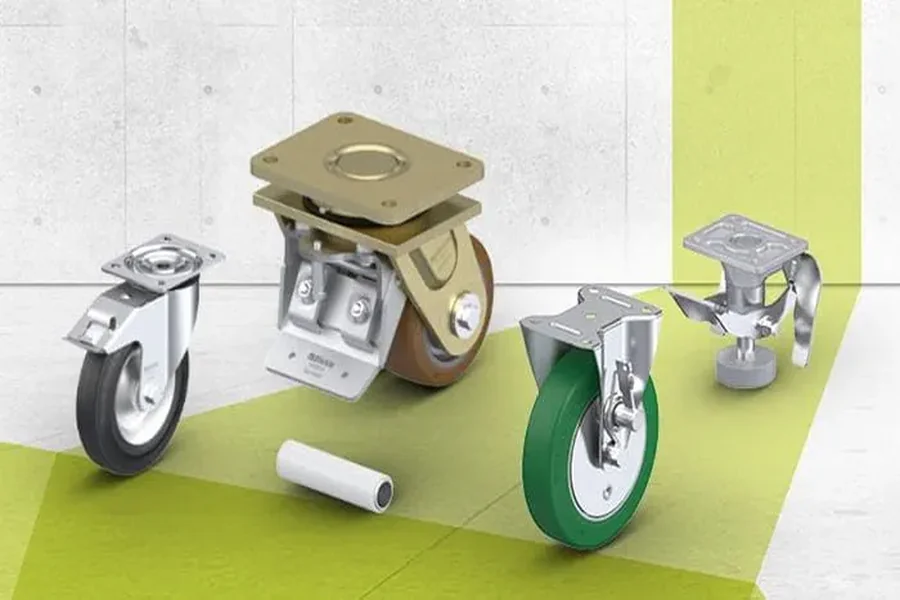
High quality heavy duty castor wheels require more than mere load capacity. The toughness of the material, the accuracy in engineering, and the duration for which it withstands repetitive application in tough environments determine the value of a wheel. In warehouses, factories, and other demanding places, only high quality heavy duty castor wheels can ensure safety, efficiency, and reliability.
The Role of Core Materials in Castor Wheel Strength and Durability
- The Role Played by Core Materials in Strength: Material quality in a castor wheel decides the weight of the load that can be carried and the durability of the wheel. In heavy load conditions, forged steel, polyurethane, or cast iron is utilized. These cannot chip, crack, or deform due to aggressive pressure or rough flooring. A defective wheel, made of inferior plastic or soft rubber, will wear away quickly, leading to accidents or damage.
- Wheel Surface and Floor Compatibility: And yet another frequently overlooked detail is the wheel’s surface. A good castor wheel is as much like the floor it rides upon as can be managed. Polyurethane wheels, for example, are constructed to protect tiled or smooth floors from scratches, whereas metal wheels are appropriate for rough concrete. A wrong match hastens floor wear and makes mobility harder, even dangerous. The surface choice is an unobtrusive but significant quality indicator.
Heat and Chemical Resistance: Ensuring Performance in Harsh Environments
- Heat and Chemical Resistance for Harsh Settings: Heavy-duty does not necessarily refer to bearing weight alone. At times, conditions involve exposure to heat, oil, water, or chemicals. Under these circumstances, a good castor wheel will not only endure but also operate without loss of performance. Wheels constructed of phenolic resin or thermoplastic rubber remain unfazed in aggressive conditions where other wheels would melt or deteriorate.
- Noise Reduction: Smooth, quiet running is another indicator of good design. Where hospitals, workshops, or tranquil working areas are involved, there needs to be control over noise. An excellent wheel is designed to minimize vibration and noise with soft, absorbing material and sophisticated mountings. Badly designed wheels clank and clatter, disrupting work flow and potentially wearing out.
Load Ratings and Safety Margins: Ensuring Reliability and Safety in Castor Wheels
- Load Ratings and Safety Margins: Load ratings are not all created equal. A good castor wheel will have its load rating clearly indicated and have a safety factor. Low-quality wheels have high-load claims that collapse under normal usage. Quality producers make sure the product is tested, certified, and ready to go in actual use without guessing or compromising safety.
- Precision Engineering and Consistent Finish: The best details reveal the greatest differences. Observe the finish of the wheel, the precision of shape, and if the parts assemble tightly. These little clues are indicative of a greater truth—well-crafted castor wheels are the product of precise design and regimented manufacturing. Loose, irregular wheels reveal shortcuts and will never survive long.
In order to actually know what constitutes high quality heavy duty castor wheels, we need to dig a little deeper. From material resistance and intelligent bearings to resistance to stress and environmental resistance, all aspects of the design come into play. It’s not a matter of merely moving some item from A to B—it’s a matter of doing it safely, smoothly, and repeatedly, without failure. And that is where true quality comes in.