How Preventive Family Dentistry Reduces Long Term Treatment Costs

Preventive family dentistry protects your mouth and your money. When you get regular cleanings, exams, and simple treatments, you stop small problems before they spread. You avoid painful infections. You also avoid root canals, extractions, and expensive implants. Early care costs less. Emergency care costs much more. Many families wait until teeth hurt. By then, damage is deep and treatment is hard. Instead, you can choose a steady routine. You bring your family in twice a year. You follow clear home care steps. You ask questions and act fast when something feels wrong. This steady pattern lowers long term treatment costs. It also protects your time, sleep, and peace of mind. In some cases you still need repairs. Services like Fairfield Same-Day Crowns restore teeth quickly and limit extra visits. Prevention guides every step. You spend less, suffer less, and keep your natural teeth longer.
How Tooth Decay Starts And Spreads
Tooth decay begins with plaque. Plaque is a sticky film of germs that forms on teeth after you eat or drink. When it stays on teeth, it feeds on sugar. It then produces acid that attacks the hard outer layer of the tooth. This first stage is small and quiet. You may feel nothing. With time, the acid breaks through the enamel and creates a cavity.
Once a cavity forms, the damage spreads inward. It can reach the inner nerve. At that point you feel strong pain. You may need a root canal or an extraction. The cost jumps. The time in the chair jumps. The stress at home jumps. Regular cleanings and exams stop this path. The dentist can spot soft spots and early decay. A small filling then replaces weeks of pain and a large bill.
Why Routine Visits Cost Less Than Emergencies
The pattern is simple. Small visits cost less than big repairs. Routine care often includes three basic steps.
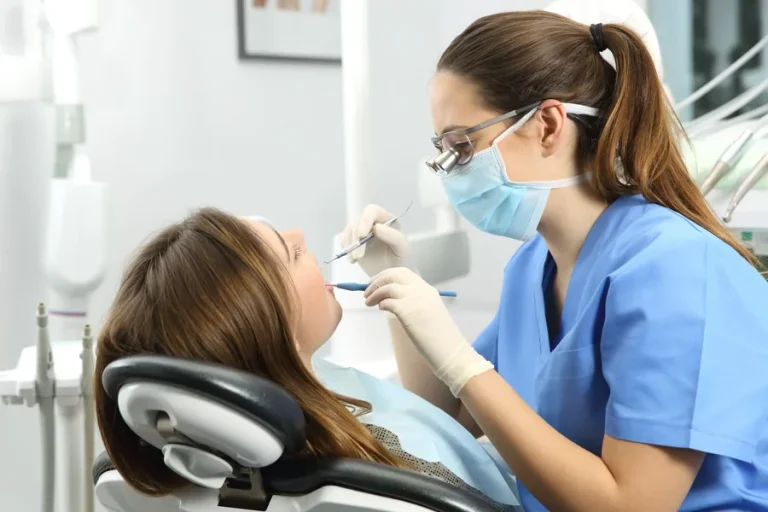
- Cleaning to remove plaque and tartar
- Exam to check teeth, gums, and jaw
- X rays when needed to see hidden decay
The Centers for Disease Control and Prevention explains that untreated cavities can lead to pain, infection, and trouble eating and speaking. These problems can then raise medical costs and lost work time.
Emergency care often includes three different steps.
- Urgent visit for strong pain or swelling
- Complex treatment such as root canal or extraction
- Follow up visits and new crowns or bridges
Each step adds cost. It also adds time away from work and school. Routine care keeps your family in the first group. You trade one short visit every six months for many long visits under stress.
Cost Comparison: Prevention Versus Repair
Exact prices vary by clinic and region. Still, the cost pattern stays clear. Simple care costs less. Complex repair costs more. The table shows a basic comparison.
| Type of care | Example service | Typical frequency | Relative cost level
|
|---|---|---|---|
| Preventive | Cleaning and exam | Twice a year | Low |
| Preventive | Fluoride and sealants for children | Every 6 to 12 months | Low to moderate |
| Early repair | Small filling | As needed | Moderate |
| Late repair | Root canal and crown | As needed | High |
| Late repair | Extraction and implant | As needed | Very high |
One missed cleaning may not seem like a big choice. Yet one missed visit can let a small cavity grow. That shift can turn a low cost cleaning into a high cost root canal. Over many years, this pattern drains savings and adds stress.
Preventive Steps For Every Age Group
Strong family care covers three groups. Children. Adults. Older adults. Each group needs a clear plan.
Children
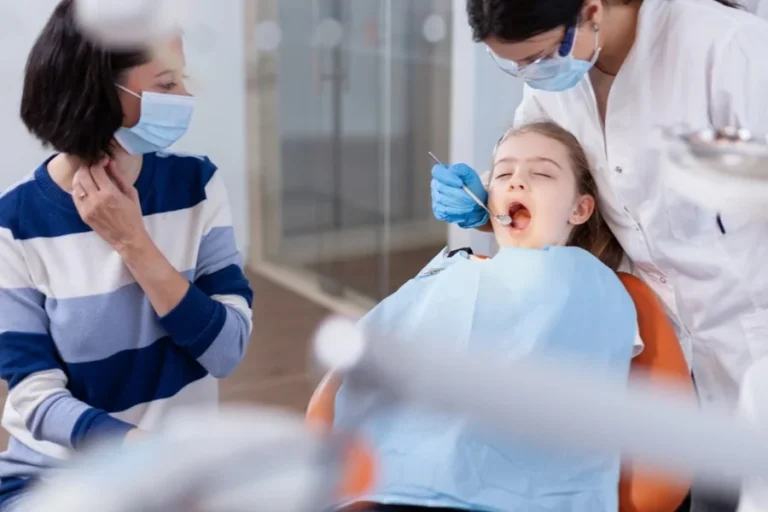
- First dental visit by age one or when the first tooth appears
- Fluoride treatments to harden enamel
- Sealants on back teeth to block decay in deep grooves
- Guidance on brushing and flossing habits
These early steps protect baby teeth. They also teach steady habits that protect adult teeth. The National Institute of Dental and Craniofacial Research shares clear tips for children.
Adults
- Twice yearly cleanings and exams
- Prompt fillings when decay begins
- Night guards for grinding when needed
- Check for gum disease and oral cancer
Adults often push dental care aside due to work or cost. That choice brings deeper costs later. Keeping regular visits avoids lost work days from sudden pain or infection.
Older adults
- Close watch for gum disease and root decay
- Care for dry mouth from medicines
- Monitoring of dentures, bridges, and implants
Teeth can last a lifetime with steady care. Older adults face higher risk of gum problems and tooth loss. Regular visits catch small gum changes early. This lowers the chance of extractions and complex restorations.
Home Habits That Protect Your Wallet
Clinic visits work best when paired with three simple home habits.
- Brush twice a day with fluoride toothpaste
- Floss once a day
- Limit sugary snacks and drinks
These steps cut plaque and reduce the acid attack on teeth. They also reduce gum swelling and bleeding. You save money when you do not need deep cleanings or gum surgery. You also keep smiles steady in family photos. That brings quiet pride and calm.
When You Still Need Restorative Care
Even with strong prevention, teeth can chip, crack, or break. Accidents happen at sports games or on the playground. Teeth also wear down with age. When a tooth needs repair, quick action still protects your costs.
Same day crown services can restore a damaged tooth in one visit. The dentist shapes the tooth, designs the crown, and places it during the same appointment. This reduces the number of visits from two or three to one. It also limits the time you spend in a temporary crown. While a crown costs more than a filling, it costs much less than losing the tooth and needing an implant.
Building A Lasting Family Routine
A strong family plan does three things.
- Sets regular six month visits for every family member
- Uses simple home routines for brushing, flossing, and diet
- Responds fast to early signs like sensitivity or bleeding gums
This plan cuts long term treatment costs. It also protects school days, work days, and sleep. You gain control. You do not wait for pain to force choices. You choose care on your own schedule. Over years, that choice saves thousands of dollars and many hours in the chair. Your family carries that strength forward with steady, confident smiles.