How To Spend 2 Weeks in Nepal
Spending two weeks in Nepal gives you enough time to experience towering mountains, ancient cities, jungle wildlife, and rich local culture without feeling rushed.
The country might look small on a map, but each region feels like a different world, with its own landscapes, traditions, and adventures. With smart planning, you can blend trekking, sightseeing, and relaxation into one unforgettable 14 day journey.
Below are at least seven flexible tour options that you can mix and match to design your perfect two week Nepal itinerary. You can follow one style from start to finish or combine elements from several, depending on your interests and travel pace.
1. Classic Kathmandu & Pokhara Discovery
Almost every two week trip to Nepal naturally starts and ends in Kathmandu. The capital is a fascinating blend of heritage and chaos, where medieval courtyards sit beside busy markets and quiet monasteries. Spending three or four days between arrival and departure gives you enough time to explore without rushing.
You can start with visits to UNESCO listed sites such as Kathmandu Durbar Square, Swayambhunath (the Monkey Temple), Boudhanath Stupa, and Pashupatinath Temple. Each site tells a different story about Nepal’s Hindu and Buddhist traditions, and a local guide can help you understand the symbolism behind the sculptures, stupas, and shrines you see.
After a couple of days in Kathmandu, a short flight or scenic drive takes you to Pokhara, a laid back lakeside city framed by the Annapurna range. Here you can relax by Phewa Lake, take a boat to the island temple, visit the Peace Pagoda, or enjoy sunrise views from Sarangkot. Many travelers use Pokhara as a gentle mid trip break, combining light adventure like paragliding or short hikes with peaceful evenings by the water.
This classic Kathmandu and Pokhara combination can comfortably fill 5 to 6 days of your two week plan and pairs well with any of the more adventure focused options that follow.
2. Everest Base Camp Helicopter Tour & High Mountain Experience
If you dream of seeing Everest but do not have time for a long trek, dedicating one of your days to an Everest Base Camp helicopter tour is a powerful way to bring the mountains into your two week plan. This experience usually starts early in the morning from Kathmandu, flying east toward the Khumbu region. Within a short time you leave the city behind and find yourself soaring above deep valleys, terraced hillsides, and finally the great Himalayan wall.
The helicopter typically lands at key viewpoints where you can step out, take photos, and feel the thin, crisp mountain air. Many flights include a landing at Kalapatthar or near Everest Base Camp, locations that trekkers on the Everest Base Camp Trek reach after several days of hiking. Standing there, even for a short time, lets you appreciate just how vast and powerful the surrounding peaks are.
This kind of tour is especially suitable if you are short on time, traveling with mixed fitness levels, or want a taste of high altitude Himalaya without committing to a multi day trek. You can easily fit the helicopter day into an itinerary that also focuses on culture, Pokhara, or jungle safaris, turning a two week journey into something truly iconic.
3. Mustang Tour & Annapurna Circuit Connection
If your heart leans toward remote landscapes and rugged cultural encounters, a Mustang tour is a fantastic way to use part of your two weeks. Mustang lies in the rain shadow of the Annapurna range, with a high altitude desert landscape that feels completely different from the green hills of central Nepal. Villages are built of stone and mud, prayer flags line the ridges, and centuries old monasteries sit carved into cliffs.
What makes this region even more interesting is that Mustang is on the route of the Annapurna Circuit trek. Historically, traders and pilgrims passed through this corridor, and today trekkers on the Annapurna Circuit Trek move along sections that connect to the Mustang area. This shared geography means you can experience both the cultural and natural flavor of a legendary trekking route even if you are traveling by jeep rather than on foot.
In a two week itinerary, you might fly or drive to Jomsom, then continue by road to places like Kagbeni or Muktinath. Along the way you see barren ridges, apple orchards, and sweeping views of the Annapurnas and Dhaulagiri. This kind of tour pairs well with days in Pokhara and Kathmandu and works beautifully if you want strong Himalayan scenery without doing a full length trek.
4. Short Himalayan Trek: Taste of the Trails
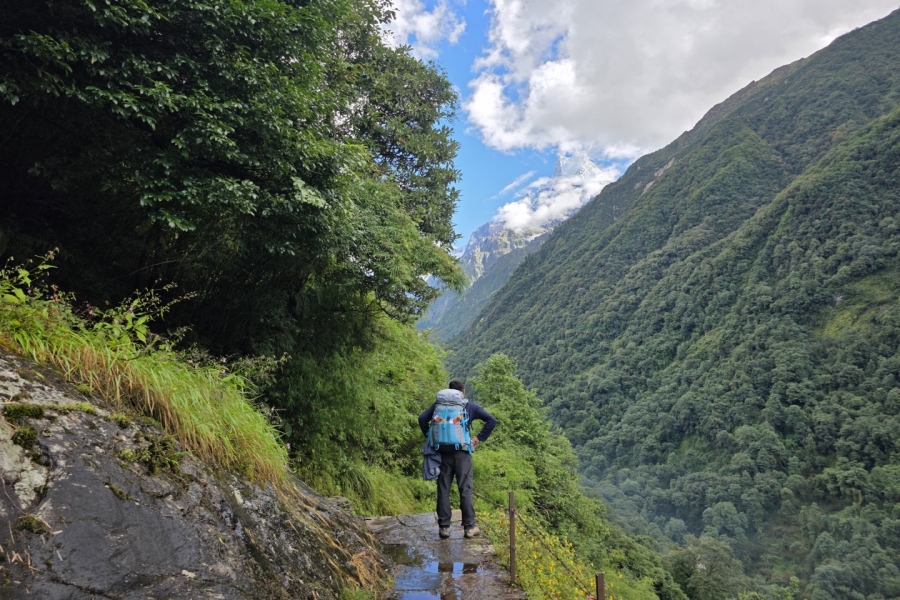
Not everyone has the time or desire to complete a long trek, but almost every traveler benefits from spending at least a few days walking in the mountains. A two week stay gives you enough flexibility to include a 3 to 5 day trek that is scenic, moderately challenging, and easy to fit around other activities.
Popular short trek ideas include routes around Ghorepani and Poon Hill, parts of the Mardi Himal trail, or gentle village walks near the Kathmandu Valley. These routes offer forest trails, mountain viewpoints, and overnight stays in local teahouses where you can share meals with other trekkers.
During the day you walk for several hours at your own pace; in the evenings you enjoy hot food and simple comfort while watching the sun set behind the ridges. A shorter trek of this kind fits neatly between city sightseeing and more relaxed days, giving your trip a sense of real Himalayan immersion without dominating your entire schedule.
5. Chitwan or Bardia Jungle Safari Adventure
If your idea of adventure includes wildlife and tropical landscapes, allocating 2 to 3 days of your two weeks to a jungle safari is a fantastic choice. Chitwan National Park is the most accessible option, reached by a short flight or a scenic drive from Kathmandu or Pokhara. Bardia National Park, further west, is more remote and quieter but takes longer to reach.
In these parks you swap mountain views for dense forests, grasslands, and riverbanks. Safaris by jeep, canoe, or on foot offer chances to see one horned rhinoceros, various deer species, crocodiles, and a rich variety of birdlife. With luck, you may even spot a wild elephant or Bengal tiger, especially in less crowded areas.
Most jungle lodges offer a structured program of activities that might include cultural performances from local Tharu communities, visits to villages, and guided nature walks. This combination of wildlife, culture, and gentle adventure creates a strong contrast to the mountain and city parts of your journey and fits conveniently into a two week frame.
6. Cultural Immersion & Heritage Focused Itinerary
For some travelers, the greatest adventure is not about altitude or wildlife but about understanding how people live, worship, and celebrate. A cultural immersion focused two week itinerary gives you the time to go beyond the surface of major sites and actually spend time in local communities.
You might start with heritage walks in Kathmandu, exploring hidden courtyards, traditional Newar architecture, and small neighborhood shrines that tourists often overlook. Guided tours in Bhaktapur and Patan allow you to discover centuries old palaces, craft workshops, and temples while learning how festivals and rituals shape daily life.
From there, you can spend several nights in a village homestay, perhaps in the hills near Pokhara or the outskirts of the Kathmandu Valley. Living with a local family introduces you to home cooked food, farming routines, and the rhythm of rural life. Participating in simple activities like cooking, harvesting, or attending local ceremonies opens a completely different window into Nepal, one that many quick trips never reveal.
This type of cultural itinerary works beautifully alongside one or two softer adventure days such as a short hike, gentle rafting trip, or paragliding flight over Pokhara.
7. Soft Adventure: Rafting, Paragliding, and Day Hikes
If you enjoy a mix of thrill and comfort, Nepal offers plenty of soft adventure activities that fit perfectly into a two week schedule. White water rafting on rivers like the Trishuli or Seti provides an exciting one or two day experience, combining fast moving rapids with calm stretches where you can float and watch the scenery drift by.
Paragliding from hills above Pokhara offers the chance to glide over the lake with mountain views in the distance, an unforgettable mix of serenity and excitement. Zip lining, canyoning, and mountain biking are also available in different regions, allowing you to customize how intense or relaxed you want your days to be.
These activities are easy to plug into an itinerary because they usually require only a single day or even a half day. That means you can use them to fill gaps between longer sections like trekking, safaris, or cultural stays, creating a well balanced adventure without logistical stress.
8. Off the Beaten Path: Hill Villages and Less Crowded Regions
If you prefer quieter spaces and less touristed experiences, you can spend part of your two weeks exploring hill regions that receive fewer visitors. Areas north of Kathmandu, mid hills around Gorkha or Lamjung, or smaller valleys near Pokhara offer peaceful walking routes, farm stays, and local guesthouses.
Here, the focus is less on ticking off famous landmarks and more on enjoying slow travel. You might walk from village to village, follow footpaths that local people use every day, and join in seasonal agricultural activities. Views are still impressive, with layered hills and distant snow capped peaks, but the pace is gentler and more introspective.
This style of travel fits well toward the middle or end of a two week trip, after you have visited some of the more famous sites. It allows you to unwind, reflect, and absorb what you have experienced without constant movement.
9. Wellness, Yoga, and Slow Travel Days
A two week adventure does not need to be full throttle from start to finish. In fact, including a few wellness oriented days can make the whole journey more enjoyable and sustainable. Cities like Kathmandu and Pokhara offer yoga studios, meditation centers, and ayurvedic treatments that help you reset after long journeys or treks.
You can spend a morning in a yoga class, an afternoon reading by the lake, or an evening in a peaceful garden restaurant. These quieter days give your body and mind a chance to recover and help prevent travel fatigue. Slow breakfasts, casual walks, and unstructured time are not wasted days; they are part of what makes your trip feel like a real break rather than a checklist.
Combining wellness with light exploration, such as a short hike to a viewpoint or a leisurely boat ride, keeps the sense of adventure alive while also respecting your need for rest.
Putting It All Together: Designing Your 2 Week Plan
The beauty of planning two weeks in Nepal is flexibility. You might choose one main theme, such as mountains and culture, or you might blend several options into one journey. A sample structure could look like a few days in Kathmandu and Bhaktapur, a short trek or Mustang visit, some time in Pokhara, and a final section focused on either jungle safari or wellness.
The key is to balance movement and rest, high energy days and gentle ones, iconic highlights and quieter local experiences. With thoughtful planning, technology to support logistics, and openness to the unexpected, your two weeks in Nepal can feel both rich and manageable.
What remains long after you return home is not only the memories of peaks and temples, but also the feeling of waking up in a new landscape, hearing unfamiliar sounds, and realizing that for two weeks, you allowed yourself to truly explore.