Sustainability in Construction: Green Building Trends and Technologies
The construction industry is at the forefront of the global movement toward sustainability, driven by the urgent need to address climate change and resource depletion. Green building practices and technologies are transforming how structures are designed, built, and operated, emphasizing energy efficiency, reduced waste, and eco-friendly materials. These sustainable initiatives are not only environmentally beneficial but also economically viable, as they align with modern standards of efficiency and long-term value. Services like Construction Takeoff Services play a crucial role in facilitating sustainable construction by accurately quantifying materials, minimizing excess, and promoting resource optimization.
Key Green Building Trends
- Energy-Efficient Designs
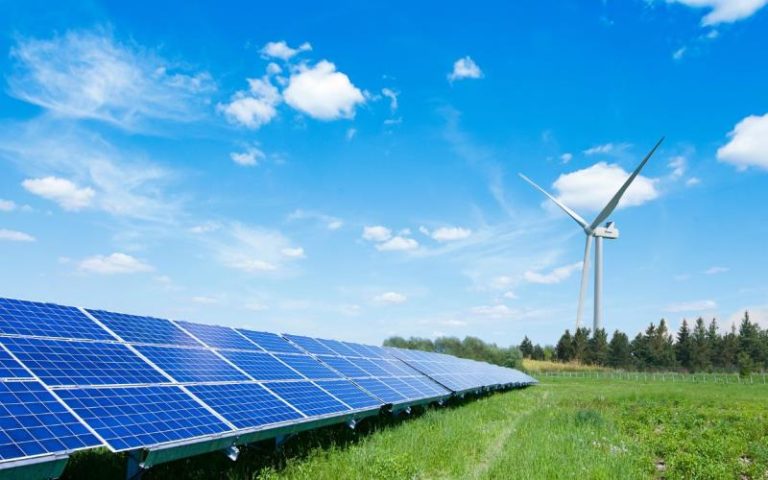
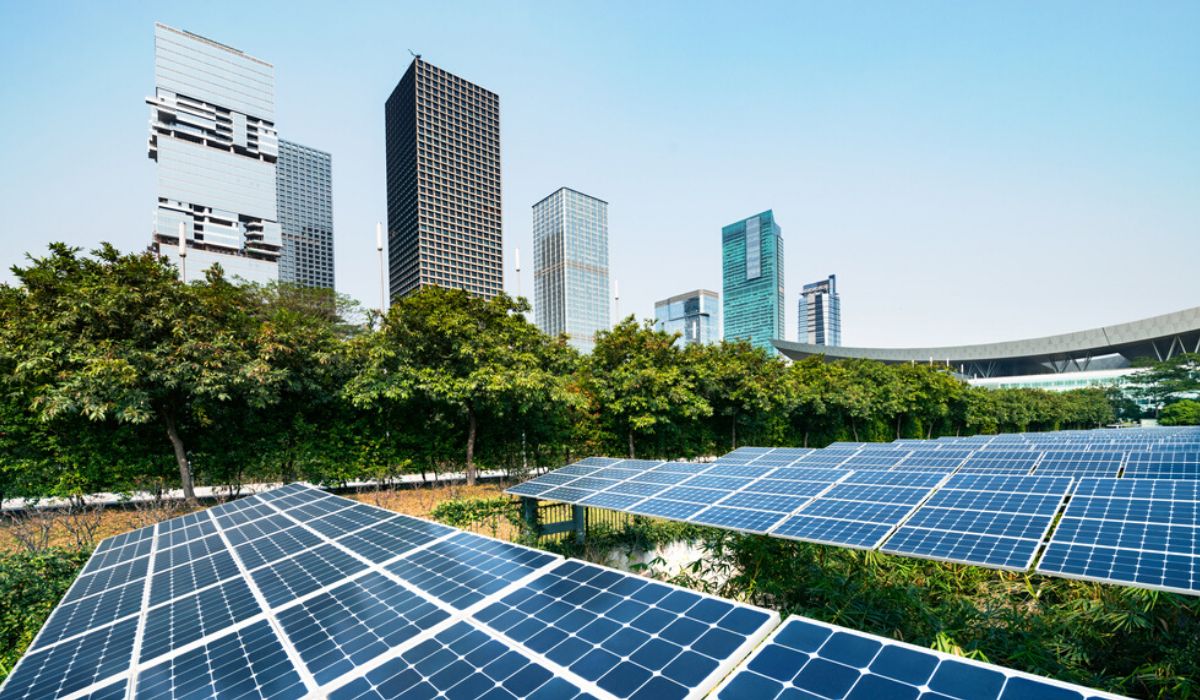
Modern construction increasingly incorporates energy-efficient designs, including high-performance insulation, energy-efficient windows, and optimized HVAC systems. Buildings are now designed to consume less energy by leveraging natural light, ventilation, and renewable energy sources like solar and wind power. - Sustainable Building Materials
Green construction promotes the use of materials with low environmental impact. Recycled steel, bamboo, reclaimed wood, and low-carbon concrete are gaining popularity. These materials reduce waste and carbon emissions while maintaining structural integrity and aesthetic appeal. - Water Conservation Technologies
Water conservation is a priority in sustainable construction. Technologies such as rainwater harvesting, greywater recycling, and low-flow fixtures are integrated into building designs to reduce water consumption. Additionally, permeable pavement systems help manage stormwater and minimize runoff. - Smart Building Systems
Smart building technologies, powered by the Internet of Things (IoT), are integral to sustainable construction. These systems monitor energy and water usage in real time, optimizing resource consumption. Automated lighting, climate control, and energy management systems enhance efficiency and reduce operational costs. - Green Roofs and Living Walls
Green roofs and living walls are innovative solutions for urban sustainability. These features provide natural insulation, reduce heat island effects, and improve air quality. They also offer aesthetic and ecological benefits, creating green spaces in densely populated areas.
Role of Technology in Green Construction
Emerging technologies such as Building Information Modeling (BIM) and 3D printing are pivotal in promoting sustainability. BIM enables precise planning and collaboration, minimizing material waste and ensuring energy-efficient designs. 3D printing reduces construction waste by creating components with precision, using only the necessary materials.
Drones and AI-powered systems are also being employed for site monitoring and resource optimization, further enhancing the sustainability of construction processes.
Economic and Social Benefits
Sustainable construction not only addresses environmental concerns but also provides economic and social advantages. Energy-efficient buildings have lower operational costs, while green certifications increase property value and marketability. Moreover, sustainable construction fosters healthier living environments, benefiting occupants and communities.
The Role of Specialized Services
Incorporating sustainability into construction projects requires meticulous planning and accurate cost assessments. Services like Construction Estimating Services are crucial for determining the financial feasibility of green building projects. By integrating advanced technologies and sustainability principles, these services help developers achieve eco-friendly goals without compromising budgets or timelines.
Conclusion
Sustainability in construction is no longer optional; it is a necessity for the industry’s future. By embracing green building trends and technologies, the construction sector can significantly reduce its environmental footprint while delivering economic and social benefits. With the support of specialized services and innovative technologies, sustainable construction is shaping a better future for the planet and its inhabitants.