The Complete Guide to Wood Plastic Composite: Revolutionary Material Changing Modern Construction
Introduction
The world of building has changed over the last few decades, and it’s up to modern architects and designers to keep up with that change. A key development is the Wood Plastic Composite (WPC), a unique material that melds the attractiveness of wood with the flexibility, low-maintenance and weather resistance of plastic. Seeking more appeal of green solutions and superb durability, both the builders and the homeowners here and there start to focus on premium WPC material for wide applications. This guide covers everything you need to know about WPC (wood plastic composite) from how it’s made to the advantages and uses to our long-term sustainable proposition for your construction business.
What is Wood Plastic Composite?
Wood Plastic Composite (WPC) is manufactured from a combination of wood natural fibbers; resin and a few harmful additives. The end product is a material that is highly durable, strong, and flexible and that has the look of natural wood, but is actually a composite of wood and plastic. Manufacturers frequently add stabilizers, colorants and other compounds to the blend to improve its performance. High-quality WPC products can be found almost everywhere outdoor and indoor.
How Premium WPC Materials are Changing the Landscape of Construction
At the construction site, WPCs have been embraced by the building industry since it is solving the biggest problems of modern construction:
-
Sustainability
High quality WPC is recyclable, as it is mainly made up of wood fiber and plastic material. WPC helps to save our planet by joining recycled wood fibers and recycled plastic as raw material, while reducing the dump of waste and conserving other resources such as virgin wood.
-
Durability
WPC never rots, warps or splinters, it does not require sanding, painting or staining. It has great water, is insect and UV resistant and so suitable for indoor or outdoor use. Builders, for their part, do not have to worry about frequent replacement or repair.
-
Low Maintenance
High quality WPC material for low maintenance compared to wood. A quick wash with soap and water is all that is necessary to keep the product looking new; no need to sand, stain or seal ever.
-
Aesthetic Appeal
Today’s WPC is available in a variety of colors and scratch resistant finishes that look and even feel like real wood. This makes them excellent for applications requiring both performance and visual appeal.
-
Cost-Effectiveness
While the initial investment for WPC products is higher than that for wood, the added value pays for itself with a lifetime of low maintenance and never having to replace a plank.
The use of premium WPC products in Modern Construction
Construction And Building WPC is ideal material for work in construction and building, if used outdoors – as it is resistant to its widely used in landscape features and garden constructions.
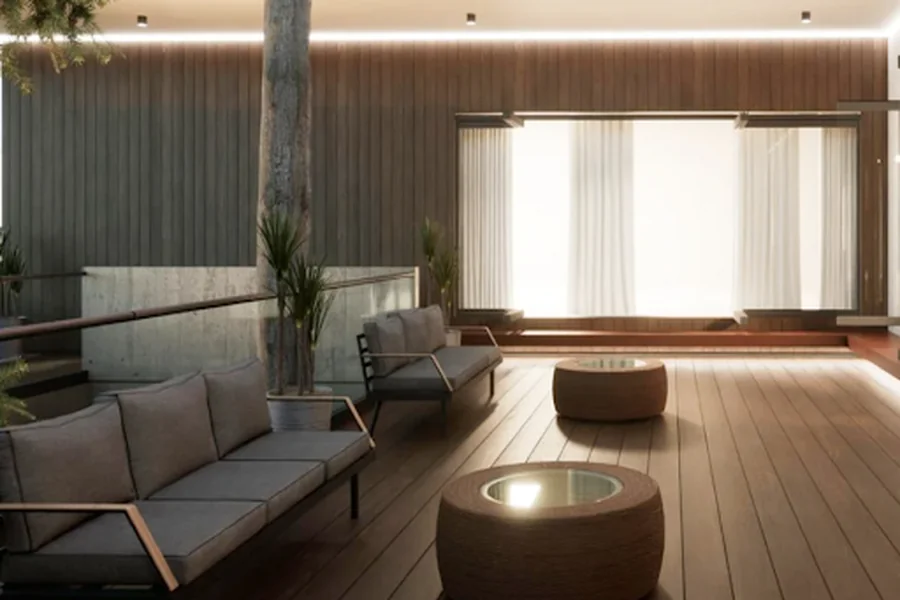
- Decking and Patios: WPC decking is slip-resistant, weather-resistant and looks great in exterior applications.
- Wall Cladding: Improves insulation, weathering and the appearance of the building.
- Fencing: Provides privacy and durability, no painting or treatment required.
- Window and Door Frames: Offers dimensional stability, even in thorough weather.
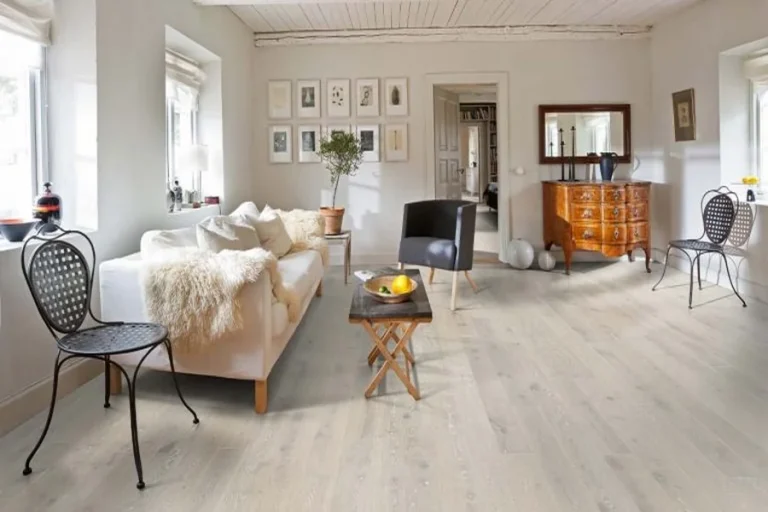
- Indoor Applications: WPC can be used as interior decoration, such as ceiling, furniture, floor and so on.
Comparisons between WPC and Conventional Materials
If compared to the materials used in traditional construction, WPC has an array of advantages:
- Versus Wood: WPC will not splinter, warp or fade,in any case your wood will always look like new.
- Versus Plastic : Plastic is tough, but it just isn’t as warm and inviting as wood. WPC blends both qualities seamlessly.
- Versus Metal: Metal has corroded and anti-rust treatment must be removed, and WPC does not require any treatment and supports low-cost maintenance.
This special combination makes premium WPC material suitable for sustainable applications in construction, such as decking, cladding, pergolas, and a variety of other applications.
The future of WPC in construction
With worldwide attention on utilizing natural and recycled materials for the “greener” good, WPC being positioned to offer more natural feel and steer easily is expected to “Gain” some of the Category Share. Innovations in technology have made premium WPC more durable and lighter products. Moreover, architects and designers are beginning to tap WPC for up-market projects, whether commercial or residential, on account of its unique aesthetic appeal and unprecedented performance.
Conclusion
Wood Plastic Composite has been known to change the construction industry, due to its zero maintenance factor and wood-like finish. Builders, architects, and homeowners are realising the ripple effect of WPC which is good for all who is on planet earth. With the advancement of WPC products in the construction sector and its proven durability, it now has a more selective consumer base due to its market acceptance and preferential qualities. Selecting premium WPC material, no doubt, is healthier and more convenient. And WPC products can replace wood and be recycled after use which results in a big difference to our living environment.