Ultimate Guide Leaky Basement Repair A Comprehensive Guide
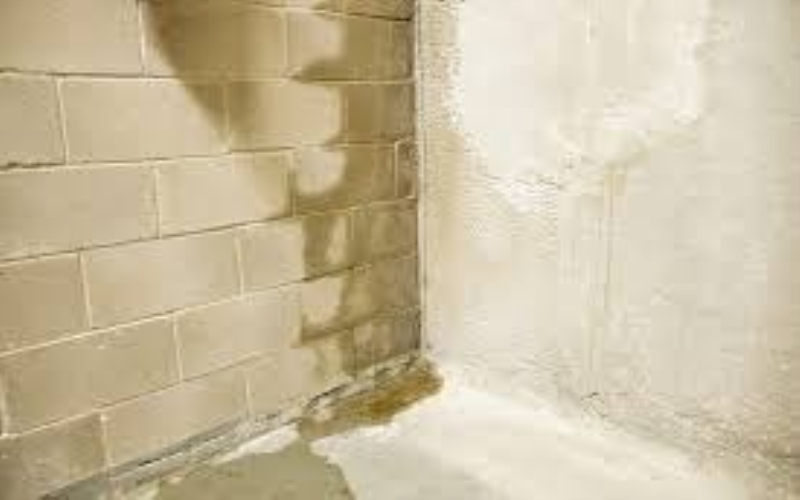
A leaky basement is one of the most common and frustrating problems homeowners face. Water infiltration can lead to costly repairs, damage to your home’s foundation, and create a conducive environment for mold and mildew growth. Understanding the causes of basement leaks and how to properly repair them can help prevent further damage and maintain the structural integrity of your home. This article provides leaky basement repair, a detailed guide to identifying the sources of basement leaks, common repair methods, and preventive measures you can take to keep your basement dry.
Understanding the Causes of a Leaky Basement
Basement leaks can occur for several reasons, but most often they are caused by water that enters from the outside or excessive moisture in the air. Here are some of the primary causes:
Poor Drainage Around the Foundation: If the land around your home slopes toward the foundation, water will pool and seep into the basement. Proper grading is essential to ensure that water flows away from the foundation.
Cracks in the Foundation: Over time, the foundation of your home may develop cracks due to settling, shifting soil, or temperature changes. Water can enter through these cracks, leading to basement leaks.
Clogged Gutters and Downspouts: Gutters that are clogged with debris or downspouts that are not directing water away from the foundation properly can contribute to water pooling near the basement walls, increasing the risk of leaks.
High Water Table: In areas with a high water table, groundwater can rise during heavy rain or snowmelt and infiltrate the basement.
Faulty Window Wells: Basement window wells are designed to keep water out of basement windows. If the window well is improperly sealed, water can accumulate around the window and seep inside.
Leaking Pipes: Plumbing leaks, whether from burst pipes or deteriorating plumbing, can lead to water infiltration inside the basement.
Identifying Basement Leaks
Before you can begin repairing a leaky basement, it’s crucial to identify the exact source of the water. The process involves both visual inspections and testing to confirm where the moisture is entering. Here are a few methods to help you identify basement leaks:
Check the Walls and Floor: Inspect the basement walls for visible cracks or gaps. Pay attention to areas near the floor, where water is more likely to enter. Also, look for signs of mold or mildew, which often indicate moisture problems.
Test the Walls: If you suspect that the leak is coming from a crack, you can perform a water test. Apply a small amount of water to the wall with a sponge or spray bottle,and then observe whether the wall absorbs the water. If it does, it may indicate that a crack is allowing water to seep in.
Monitor After Rain: If your basement leaks primarily during heavy rain, wait for a rainy day and observe where the water enters. It can help pinpoint the cause of the leak—whether it’s a crack, a poorly sealed window, or poor drainage.
Check for Standing Water: If there’s standing water in the basement, it may suggest a drainage issue or flooding caused by an underground water table. Investigate where the water is accumulating to determine if the issue is due to a specific source.
Basement Leak Repair Methods
Once you’ve identified the source of the leak, it’s time to consider the appropriate repair method. There are several ways to fix basement leaks, ranging from minor DIY fixes to professional-grade solutions.
Sealing Cracks in the Foundation: If you find cracks in the basement walls, sealing them is a primary step in repairing the leak. Small cracks can be sealed using masonry crack repair caulks or hydraulic cement. For larger cracks, it may be necessary to use a more robust repair material like epoxy injection to create a watertight seal.
Hydraulic Cement: This type of cement expands as it sets, creating a tight seal against water.
Epoxy Injection: Epoxy is used to fill larger cracks and works by bonding to the concrete to create a strong, impermeable barrier.
Repairing or Replacing Window Wells: Window wells can become clogged with debris or may lose their seal over time. To repair or replace a leaky window well, start by clearing out the debris and checking the seal around the window. If necessary, replace the window well with a new one or apply a waterproof coating to prevent further leakage.
Improving Drainage:
Proper drainage is essential to prevent water from pooling around your foundation. The following improvements can help:
Regrade the Landscape:
Ensure that the ground slopes away from the foundation to direct water away from the basement.
Install a French Drain:
A French drain is a trench filled with gravel and perforated pipe designed to redirect groundwater away from your foundation.
Clean Gutters and Downspouts:
Regularly cleaning gutters and ensuring that downspouts direct water at least 3–4 feet from the foundation can help prevent water from entering the basement.
Installing a Sump Pump:
In areas with a high water table or frequent flooding, a sump pump is an excellent tool for removing excess water from the basement. A sump pump sits in a pit in the basement floor and automatically pumps water out when the water level rises. This system can help keep your basement dry during heavy rains.
Applying Waterproof Coatings: Applying a waterproofing coating to the interior of the basement walls can help prevent water from seeping through. These coatings are typically applied in layers and can help create an additional barrier to water infiltration.
Replacing Faulty Plumbing: If the leak is due to plumbing issues, it’s important to fix or replace the damaged pipes. Leaking pipes should be repaired by a licensed plumber, especially if they are hidden behind walls or underground.
Preventive Measures to Keep Your Basement Dry
While repairing leaks is essential, preventing future basement leaks is just as important. Here are some preventive measures you can take:
Install a Dehumidifier: A dehumidifier can help control the moisture levels in the air, preventing mold and mildew growth. This is especially helpful in areas where condensation is a concern.
Regularly Inspect for Cracks: Periodically check your basement walls for new cracks or signs of water infiltration. Early detection can save you from costly repairs in the future.
Maintain Drainage Systems: Regularly clean gutters, downspouts, and French drains to ensure that water is flowing away from the foundation. Clogged or blocked drains can lead to basement leaks.
Seal Windows and Doors: Ensure that windows and doors are properly sealed to keep moisture out. Check weatherstripping and seals regularly, and replace them if necessary.
Conclusion
A leaky basement is not only a nuisance but can also lead to significant damage if left unchecked. By understanding the causes of leaks and taking appropriate steps to repair them, you can protect your home’s foundation and maintain a dry, healthy basement. Whether you choose DIY solutions like sealing cracks and installing a sump pump or opt for professional-grade fixes like waterproofing and foundation repairs, addressing the issue promptly will save you money and headaches in the long run. A leaky basement repair taking preventative measures ensures that your basement stays dry for years to come.