
Vinyl Plank vs. Vinyl Sheet: What’s Better for Your Home?
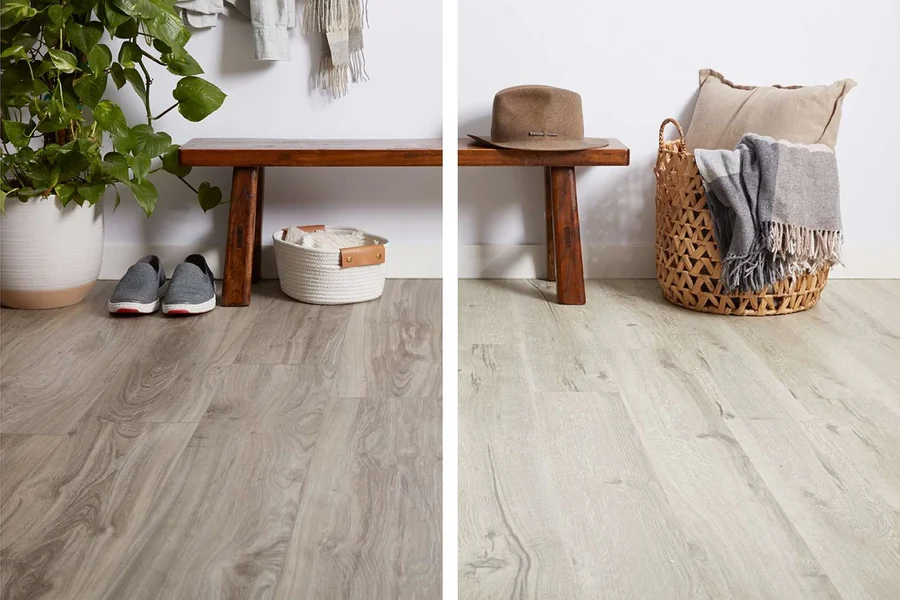
Choosing the right flooring can transform a space, but with so many options, it’s easy to feel overwhelmed. Vinyl flooring has become a popular choice for its durability, affordability, and stylish designs. Among the options, vinyl plank and vinyl sheet stand out as versatile contenders, each with unique advantages.
Whether you’re renovating a room or updating your entire home, understanding the differences between these two types of vinyl flooring is key. From installation methods to appearance and cost, knowing what sets them apart will help you make the best decision for your lifestyle and budget.
Key Differences in Structure and Appearance
Vinyl plank features individual pieces designed to mimic the look and texture of hardwood or tile. These planks often have a rigid core made of PVC or SPC and come in various lengths and widths, adding a realistic touch to the flooring. The texture and grain patterns enhance its natural appearance, making it suitable for high-end aesthetics.
Vinyl sheet, on the other hand, comes in large, continuous rolls and offers a smooth, uniform finish. Without seams in smaller spaces, it creates a streamlined look. The designs are printed directly onto the sheet and tend to focus more on patterns and color uniformity rather than the detailed textures found in vinyl plank.
Planks tend to provide a higher-end, realistic look, while sheets deliver a simpler appearance suitable for modern minimalism or practical applications. This Vinyl Flooring Comparison highlights how structure determines the surface’s visual impact while catering to different design preferences.
Installation Time and Complexity for DIY Projects
Vinyl plank simplifies DIY installation through interlocking or peel-and-stick systems. The planks fit together like a puzzle, often requiring only a utility knife for cutting. For medium-sized rooms, a proficient DIYer can complete installation within a day.
Vinyl sheet demands more precision, as its large rolls make handling and cutting challenging. Adequate preparation of the subfloor and careful adhesive application are essential. Unlike vinyl plank, errors in cutting or positioning might necessitate replacing entire sections. A novice could spend several days completing the process.
Vinyl plank offers a more DIY-friendly option, while vinyl sheet suits those with advanced skills or professional assistance. In terms of time and ease, homes with Simple Flooring layouts benefit most from vinyl plank.
Water and Scratch Resistance: A Room-by-Room Comparison
Vinyl plank and vinyl sheet differ significantly in their resistance to moisture and scratches, making each better suited for specific areas of the home. Their performance depends on factors like water exposure and foot traffic levels.
Bathrooms and Laundry Rooms
Vinyl sheet provides better water resistance for bathrooms and laundry rooms. Its large, continuous format minimizes seams, reducing the likelihood of water penetrating the floor. Vinyl plank, while water-resistant, relies on interlocking edges, which may allow seepage over time if not properly sealed.
Kitchens
Both options perform well in kitchens, but durability differences can influence choice. Vinyl plank resists scratches from dropped utensils or furniture movement, making it ideal for active households. Vinyl sheet, with its softer surface, may show wear faster under repeated impact.
Living Rooms and Bedrooms
Vinyl plank is more suitable for living rooms and bedrooms due to its superior scratch resistance and aesthetic appeal. Its ability to mimic hardwood adds warmth to these spaces. Vinyl sheet works as a budget-friendly alternative for low-traffic rooms, particularly where damage is less likely.
Entryways and Mudrooms
Vinyl plank’s rigid surface withstands heavy foot traffic and dirt in entryways and mudrooms. Its ability to handle soil and debris without wear makes it a more durable choice. In comparison, vinyl sheet can wear down faster in such high-traffic areas.
Comparing water and scratch resistance in a room-by-room context helps narrow down the most practical option for different spaces.
Long-Term Wear and Repair Considerations
Vinyl plank offers superior durability in high-traffic areas due to its thicker construction and rigid core. Everyday wear from heavy foot traffic, furniture, or pets affects vinyl plank minimally, making it ideal for living rooms and entryways. In contrast, vinyl sheet can wear down faster in such conditions, as its thinner composition is more prone to dents and scratches.
Repairing vinyl plank is straightforward since individual planks can be replaced if damaged. This spot-repair capability reduces long-term maintenance costs and effort. Vinyl sheet, however, requires patching or replacing the entire section of flooring, especially for significant damage, which can be time-consuming and expensive.
UV resistance is another consideration. Vinyl plank often includes a UV-resistant coating that prevents discoloration over time, ensuring consistent aesthetics in sunlit areas. Vinyl sheet may fade faster in direct sunlight, with protection depending on the specific product type. Proper selection based on exposure ensures lasting appearance and functionality in simple flooring solutions.
Comparing repair and longevity highlights vinyl plank as the more practical choice in high-use scenarios. The vinyl flooring comparison underscores the importance of evaluating wear, repair processes, and environmental factors to choose the best flooring type for long-term performance.
Which Vinyl Type Handles Subfloor Imperfections Better
Vinyl sheet flooring masks subfloor imperfections more effectively due to its flexible and continuous structure. It conforms to uneven surfaces, reducing the visibility of minor dents or gaps. This makes it suitable for homes with simple flooring needs but imperfect subfloors, especially in older properties.
Vinyl plank flooring, while durable, is less forgiving of subfloor flaws. Its rigid core requires a smoother surface to ensure proper alignment and appearance. Subfloor leveling is often necessary before installation, particularly in Vinyl Flooring Comparison scenarios for high-traffic areas or modern layouts.
Budgeting for Vinyl: Total Cost From Purchase to Installation
Choosing between vinyl plank and vinyl sheet depends on your priorities, lifestyle, and budget. While both options are cost-effective compared to other flooring types, their pricing and installation costs vary. Vinyl plank tends to have a higher upfront cost but offers long-term benefits like easier repairs and enhanced durability. Vinyl sheet, on the other hand, is more affordable initially but may require professional installation and higher maintenance over time.
By carefully considering factors like room usage, design preferences, and your DIY skills, you can select the flooring type that aligns with your needs. Whether you prioritize aesthetics, practicality, or cost-efficiency, both vinyl plank and vinyl sheet provide versatile and stylish solutions for any home.


