
What is the Most Popular Old Car?
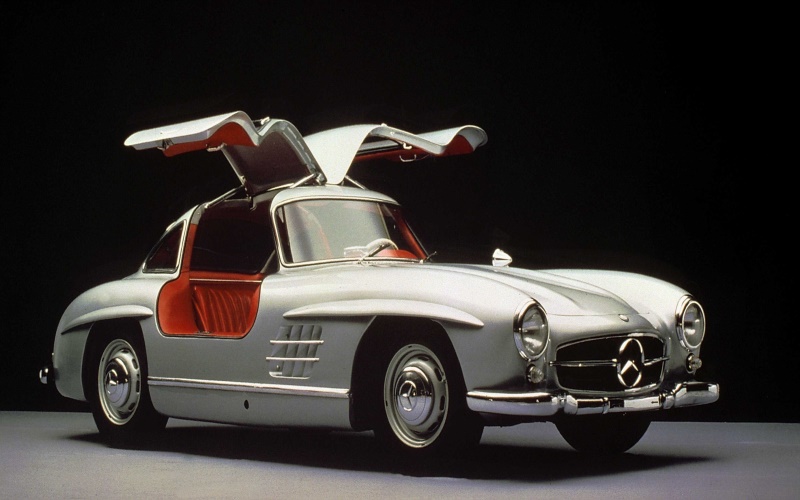
Vintage cars hold a unique allure, combining timeless design with nostalgic charm. For enthusiasts, they’re more than vehicles; they’re pieces of history. But what makes an old car truly “popular”? Is it the number still on the road, the sheer volume sold during its prime, or its continued resonance with collectors and fans?
A Timeless Classic: Defining “Popularity” in Vintage Cars
Popularity in the vintage car world can be measured in several ways. The volume of sales during a model’s production run is an obvious starting point. Cars like the Volkswagen Beetle sold in massive numbers, cementing their place in automotive history. Another measure is longevity—how many of these cars still exist? A high survival rate often reflects robust engineering and widespread affection.
Collectors and auction records also play a crucial role in determining a classic car’s desirability. Some cars, like the Mercedes 300SL Gullwing, fetch staggering prices, not only for their beauty but also for their rarity. Nostalgia, too, is a powerful driver of popularity. Vintage cars evoke memories of simpler times, making them emotionally significant for many. Pop culture further enhances their appeal; for instance, the DeLorean’s starring role in Back to the Future made it an enduring icon.
Top Contenders: The Most Beloved Vintage Cars Across Eras
Several vintage models have captured the hearts of car enthusiasts worldwide. The Ford Mustang, introduced in the 1960s, revolutionised the muscle car segment with its blend of power and affordability. Its sleek design and cultural significance, featured in films like Bullitt, solidified its status as a classic.
The Volkswagen Beetle is another enduring favourite. Known for its quirky design and practicality, the Beetle became a symbol of the counterculture movement in the 1960s and remains a beloved classic today. Its longevity and affordability make it a frequent choice for collectors and first-time buyers of vintage cars.
For those seeking a taste of mid-century American elegance, the Chevrolet Bel Air stands out. Its iconic tail fins and chrome detailing epitomise 1950s design, and it remains a sought-after model at vintage car shows. Beyond these, models like the Porsche 911 and Mini Cooper have also left indelible marks, each reflecting the tastes and priorities of their respective eras.
Whether you’re looking to own a vintage Ford or a Mercedes second hand car, these classics continue to inspire with their legacy and craftsmanship.
Maintaining the Legacy: Why Old Cars Remain Relevant Today
The relevance of vintage cars today goes beyond nostalgia. Car enthusiasts and restoration experts dedicate themselves to preserving these timeless machines, often through car clubs and events. These communities play a vital role in keeping the legacy alive, offering resources and support for restoration projects.
For many, vintage cars are symbols of a bygone era of craftsmanship. Unlike modern vehicles, which often prioritize efficiency over character, these classics—such as used cars in miami—tell a story. They also hold personal significance, serving as connections to family histories or cherished memories.
Modern adaptations, such as restomods—classic cars updated with modern technology—are breathing new life into old designs. These innovations ensure vintage cars remain functional and appealing to a new generation of enthusiasts.


