Wisdom Teeth Removal and what you need to know
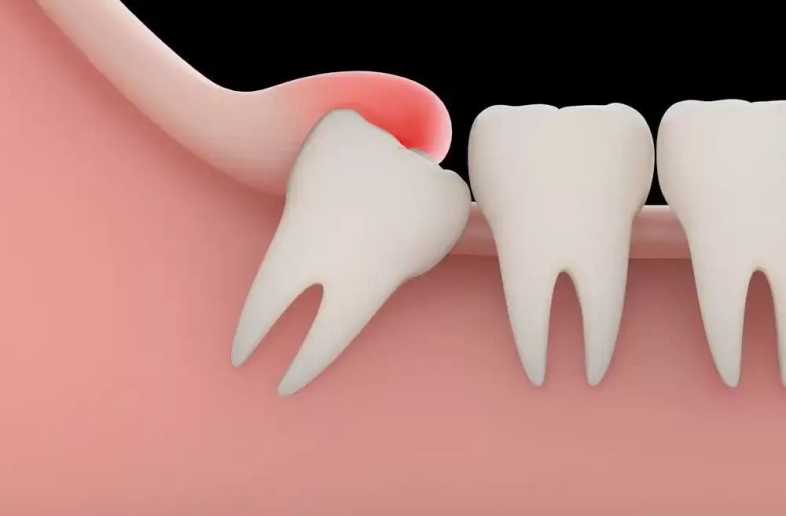
The extraction of wisdom teeth is a prevalent dental treatment that a multitude of individuals experiences, particularly in the time frames of late adolescence and early adulthood. These third molars can give rise to several problems if they do not possess the adequate room to surface or develop correctly. Knowing when and why this treatment is required can better equip individuals to make the decisions that are best for their dental well-being.
What Are Wisdom Teeth?
What are the molars that appear in one’s late teens or early 20s, often removed before or after they have even erupted, sometimes painfully and always messily? In a nutshell, that is the common perception of “Wisdom Teeth.” Third molars, or wisdom teeth, usually erupt between the ages of 17 and 25. Their appearance has been timed to coincide with the shift into adulthood.
Although anthropologists and orthodontists are still not in full agreement about the precise reasons why some people have wisdom teeth and others do not, they largely concur that wisdom teeth were once essential. Our ancestors had much larger jaws and a diet that consisted of a great deal of coarse, tough foods, which required the additional chewing power afforded by these back-of-the-jaw teeth. Today, dietary changes and space limitations in the human jaw have rendered them largely unnecessary and troublesome.
Why Remove Wisdom Teeth?
At Smiles Restored Cedar City, dentists carefully evaluate the need for wisdom tooth removal to ensure optimal oral health. One common reason for extraction is impaction, where a wisdom tooth lacks sufficient space to develop properly, becoming trapped in the jawbone or gums. This can cause pain, infections, and even damage to nearby teeth, sometimes undoing the results of previous orthodontic treatments. Another concern is crowding, where wisdom teeth push against adjacent teeth, leading to misalignment that may require corrective measures. At Smiles Restored Cedar City, expert care ensures that wisdom tooth removal prevents these complications while preserving your smile’s health and alignment.
And, speaking of straightening, an orthodontist might be more likely to recommend retaining healthy teeth in a healthy oral cavity than would a dentist with a vested interest in the futility of teeth trying to be straight.
The Procedure for Wisdom Teeth Removal
The procedure for wisdom tooth removal might be recommended by your dentist because of the condition of your teeth. Generally speaking, here’s what happens during the procedure:
- Consultation: Your dentist assesses the wisdom teeth through X-rays and an oral examination.
- Anaesthesia: You may receive local anaesthesia, sedation, or general anaesthesia, depending on the complexity of the extraction.
- Extraction: The dentist removes the teeth, making incisions in the gums if the teeth are impacted.
- Recovery: Patients may experience swelling and discomfort after surgery. Following the dentist’s aftercare instructions, which typically include rest, ice packs, and pain management, is crucial to healing and resuming normal activities. For more detailed health and wellness guidance, visit the middle.
Recovery After Wisdom Teeth Removal
How long does it take to recover after having wisdom teeth removed? Recovery times can differ quite a bit from one person to another, but most individuals feel as though they’re on the mend within several days. It’s customary to have some swelling, bruising, and discomfort that peaks about 24 hours after the extraction. You can help facilitate the speed of your recovery and the comfort level of your mouth with these tips:
- Eat Soft Food: Unless you want to test the limits of your pain tolerance, consume only soft foods for the first several days after surgery.
- Stay Hydrated: Water is your friend; just don’t chug it through a straw for the first week. Suction can dislodge a blood clot that needs to be in place for a smooth healing process.
To sum up, removing wisdom teeth is a common dental procedure often performed to preemptively ward off future dental problems. If you have questions about your wisdom teeth or need more information, consider consulting with a dentist. You can also explore resources like wfo maximus for additional insights into dental care and oral health best practices.