4 Ways Animal Clinics Partner With Rescue Organizations
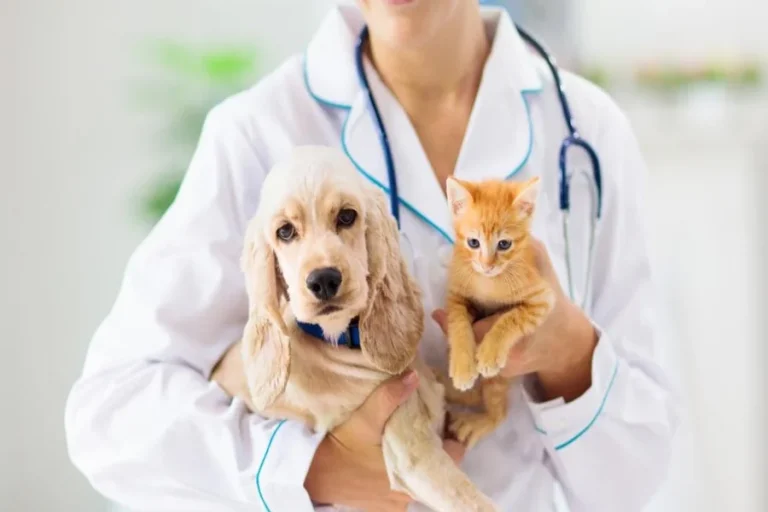
Animal clinics do more than treat pets. They often stand beside rescue groups that carry heavy work with limited money and time. You see this when a West Palm Beach veterinarian offers exams for abandoned dogs, or when a clinic clears space for a sudden litter of kittens. These quiet partnerships save you worry. They also give struggling animals a chance at a steady home. In this blog, you learn four clear ways clinics and rescues work together. You see how they share medical care, plan adoption events, support spay and neuter programs, and respond to emergencies. You also see how your choices as an owner or adopter support this shared effort. When you understand these ties, you can act with more purpose. You can choose care that protects your pet and also lifts up animals still waiting behind shelter doors.
1. Shared medical care for rescued animals
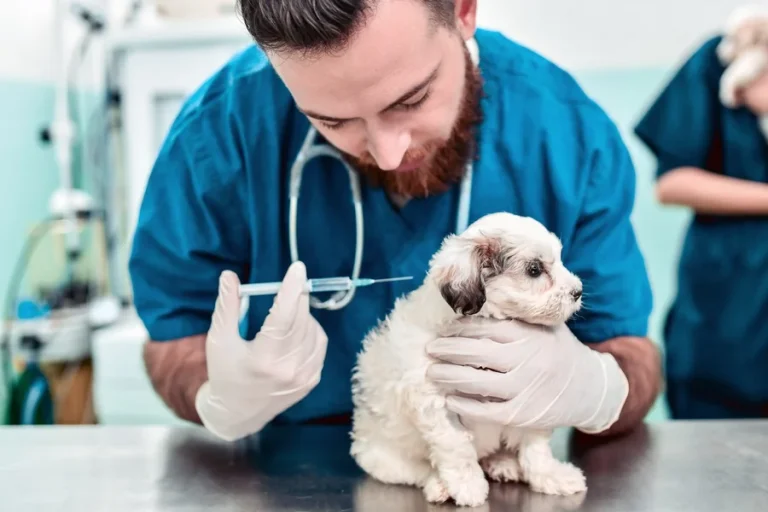
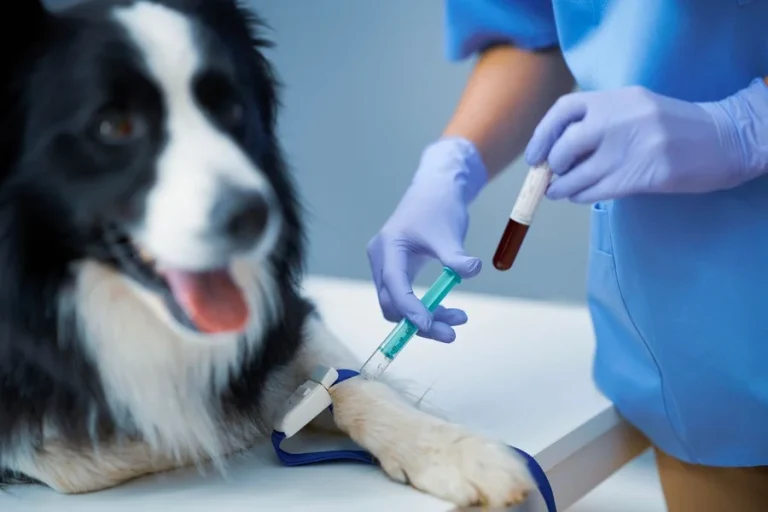
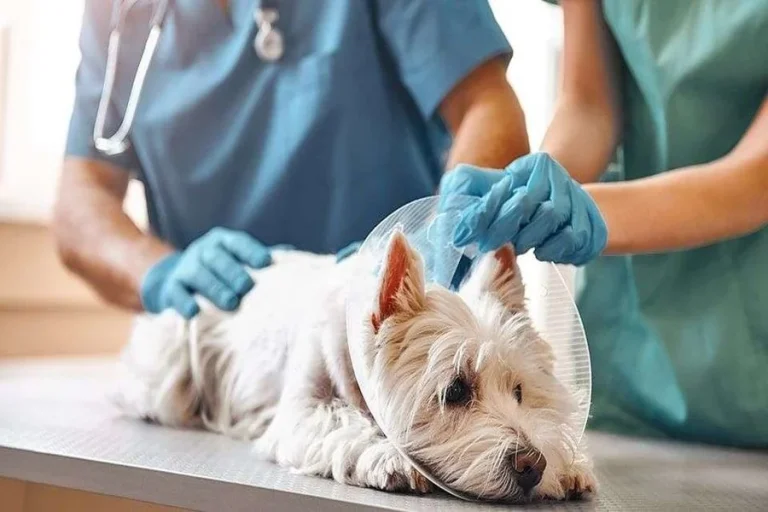
First, many clinics give direct medical help to animals that rescues pull from the street or crowded shelters. This help can include exams, vaccines, parasite control, and treatment for infections or injuries. You may never see this work, yet it shapes the health of the pet you later bring home.
Rescue groups often face large vet bills. They care for animals that arrive thin, sick, or hurt. When a clinic cuts costs or donates time, more animals reach the point where they can join a family.
You also benefit. When you adopt from a rescue that works with a steady clinic, your new pet often comes with clear medical records and needed shots. You start from a safer place. You can then focus on bonding and training, instead of rushing to fix preventable health problems.
The Centers for Disease Control and Prevention explains that vaccines and parasite control protect you and your family, not only your pet. A strong clinic rescue partnership keeps those basic steps in place for animals that once had nothing.
Common medical services clinics give to rescue animals
| Service | Why it matters for adopted pets
|
|---|---|
| Physical exam | Finds hidden problems before you adopt |
| Core vaccines | Reduces risk of rabies, parvo, and other diseases |
| Parasite testing and treatment | Protects your home from fleas, ticks, and worms |
| Microchipping | Raises the chance your pet returns if lost |
| Dental checks | Prevents pain and future tooth loss |
2. Joint adoption events and outreach
Second, clinics and rescues often join forces to place pets in homes. You might see this as weekend adoption events in a clinic lobby or in a clinic parking lot. Staff greet you. Rescue volunteers share stories about each animal. You get to ask health questions on the spot.
These events help you in three ways. You see adoptable animals in a calm space. You can talk with a medical team that knows which pets need extra care. You also learn about low cost services that support you after adoption.
Many families feel unsure about adoption. They worry about hidden medical costs or behavior issues. A clinic presence builds trust. You can look at records and talk through any health needs with someone who treats rescue pets every day.
Public outreach also matters. When a clinic uses its website, email list, or waiting room to share rescue stories, more people see those animals. That simple act shortens shelter stays and cuts the risk of overcrowding. It also sends a message that adoption is a normal, smart choice, not a last resort.
3. Spay and neuter support that protects your community
Third, clinics and rescues work side by side to spay and neuter as many animals as they can. This step protects your pet and also reduces stray litters that strain shelters and neighborhoods.
Some clinics hold special surgery days only for rescue animals. Others run low cost clinics that both rescues and the public can use. When you take part, you help stop the cycle of unwanted litters that end up in crowded shelters.
The Ohio State University Veterinary Medical Center explains that spay and neuter surgery can lower the risk of some cancers and reduce roaming and fighting. Those changes keep your pet safer at home and on walks.
Rescue groups depend on these clinic services. Without them, every adoption could bring new litters and more pressure. With them, shelters can focus on quality care for animals already inside, instead of endless intake.
How spay and neuter partnerships help you and your community
| Benefit | Impact on you | Impact on rescues
|
|---|---|---|
| Fewer unplanned litters | Less stress finding homes for extra kittens or puppies | Lower intake numbers and less crowding |
| Health protection | Lower risk of some cancers and infections | Fewer urgent medical crises |
| Behavior changes | Less roaming, marking, and fighting | Safer, calmer animals ready for adoption |
4. Emergency support and crisis response
Fourth, clinics and rescues often stand together when disaster hits. This can be a house fire, a hoarding case, or a storm that forces sudden evacuations. In those moments, animals arrive fast, scared, and hurt. Rescue groups cannot handle that surge alone.
Clinics may open extra hours, send staff to temporary shelters, or hold animals that need oxygen, fluids, or surgery. They may also store donated food and supplies for use in a crisis. You may not see this work, yet it shields your community from chaos and loss.
When clinics and rescues plan together before a crisis, your pet is safer. Local groups know where to send animals. They know which clinic can take large dogs, which can handle exotics, and which has space if a shelter floods. You gain a more stable safety net if your own pet ever needs sudden help.
How you can support these partnerships
You play a direct role in keeping these ties strong. You can:
- Adopt from rescues that share clear medical records from partner clinics
- Use clinics that support rescue work and thank them for it
- Give money or supplies marked for medical care
- Keep your pet up to date on vaccines and spay or neuter
- Share posts from clinics and rescues that highlight adoptable animals
Your choices send a message. When you back clinics that stand with rescues, you encourage more of that behavior. You help build a community where every pet has a better chance to reach a safe home and stay there in good health.