
6 Practical Preventive Tips General Dentists Share With Parents
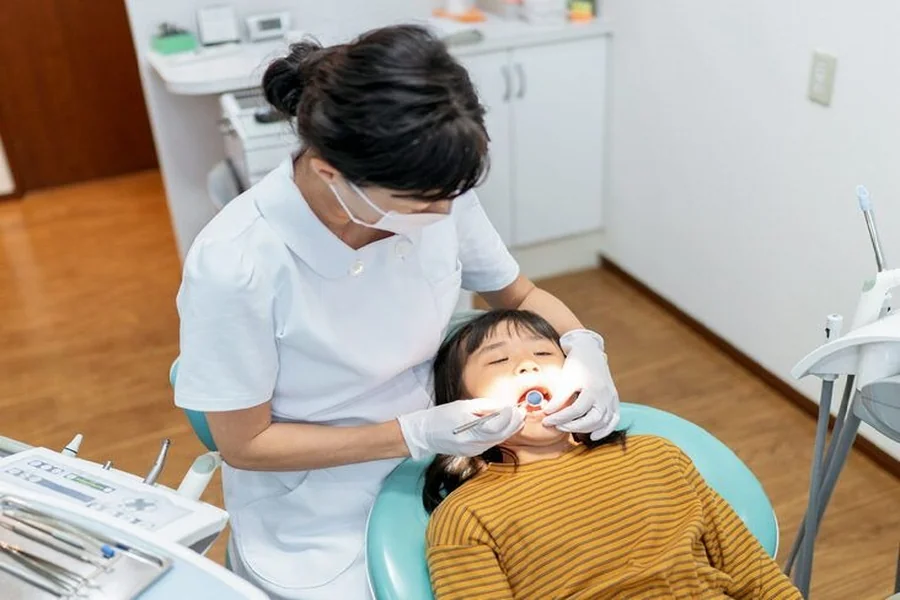
Caring for your child’s teeth can feel scary. You see sugar everywhere, tight schedules, and a child who does not always want to brush. You want clear steps that actually protect your child’s mouth. You also want to avoid painful visits and large bills. A Lower Gwynedd dentist hears these worries every day from parents who feel tired and unsure. This guide offers six simple moves you can start today. Each one cuts the risk for cavities, infections, and dental fear. You will learn how to set strong routines, choose smart snacks, use fluoride with confidence, and handle sports and accidents. You will also see how to talk with your child so they feel safe in the chair. With steady habits and regular checkups, you give your child comfort, control, and a healthy smile that lasts.
1. Build a simple brushing and flossing routine
Strong teeth start with small daily steps. You do not need fancy tools. You do need a set plan that you follow every day.
- Brush two times each day for two minutes
- Use a smear of fluoride toothpaste for children under 3
- Use a pea-sized amount of fluoride toothpaste for children 3 and older
- Start flossing when teeth touch
Stand with your child at the sink. You brush your own teeth while they brush. You then “check” and finish the job. You stay in charge of brushing until your child can tie their own shoes. That shows they have the finger control to clean well.
Use a soft brush. Replace it every three months or after your child is sick. Set a timer or play a short song so two minutes feel shorter.
2. Control sugar and snack timing
Sugar itself is not the only problem. Constant snacking gives mouth germs more time to hurt teeth. You can lower the risk by changing how often and how your child eats sweets.
Use this table as a guide.
| Snack habit | Effect on teeth | Better choice
|
|---|---|---|
| Sticky candy and gummies | Cling to teeth and feed germs for hours | Fresh fruit like apple slices or berries |
| Sugary drinks in a sippy cup all day | Bathes teeth in sugar and acid | Plain water between meals |
| Crackers or chips many times a day | Break into starch that turns to sugar | Cheese, nuts if safe, or yogurt with no added sugar |
| Bedtime snack after brushing | Food sits on teeth through the night | Move snack earlier and brush after |
Offer sweets with meals, not as all-day snacks. Then offer water. Teeth can recover between eating times. You do not need to ban cake or candy. You do need limits and a clear routine.
3. Use fluoride with confidence
Fluoride makes teeth stronger. It helps repair early damage before a cavity forms. Many parents feel unsure about it. Reliable science supports its use in small, safe amounts.
Here are three simple steps.
- Use fluoride toothpaste in the right size for your child’s age
- Ask your dentist about fluoride varnish during checkups
- Check if your home water has fluoride
You can look up your local water source using the Centers for Disease Control and Prevention tool. If your water does not have fluoride, your dentist may suggest drops or tablets.
Teach your child to spit, not swallow, by age 3. Use only the small amount of toothpaste needed. That keeps exposure low and protection strong.
4. Protect teeth during sports and rough play
One hit to the mouth can change a smile for life. Many injuries happen during casual play, not just organized sports. You can lower the risk with a few steps.
- Use a mouthguard for any contact sport like football, hockey, or basketball
- Store the mouthguard in a clean case and rinse it after each use
- Keep your dentist’s phone number saved on your phone
If a permanent tooth gets knocked out, act fast. Pick it up by the crown, not the root. Rinse it with clean water. Try to place it back in the socket. If you cannot, put it in milk. Then go to a dentist or the emergency room at once.
For chipped teeth, save any broken pieces in milk and call your dentist. Quick action can save the tooth or lower long term damage.
5. Keep regular checkups and cleanings
Routine care finds small problems before they cause pain. It also gives your child comfort with the dental chair. The American Academy of Pediatric Dentistry and the American Dental Association both advise that a child see a dentist by age 1 or within 6 months of the first tooth.
Plan visits every six months unless your dentist suggests a different schedule. At these visits the team will
- Clean away plaque and tartar
- Check for early decay
- Review brushing, flossing, and diet habits
- Watch jaw growth and tooth alignment
You can bring a comfort item for your child. You can ask the dentist to explain each step before it happens. Calm, steady visits teach your child that care is safe and normal.
6. Talk with your child about teeth and fear
Your words shape how your child feels about dental care. Harsh or scary talk can build fear. Clear and honest talk can build trust.
Use three simple rules.
- Use plain words like “clean,” “count,” and “check”
- Avoid words like “hurt,” “shot,” or “drill”
- Praise effort, not results
You can say, “The dentist will count your teeth and wash them. You might feel a tickle.” If your child asks if something will hurt, stay honest. You can say, “You might feel pressure. I will be right here with you.”
Let your child ask questions. Let them hold the mirror. These small choices give them control and lower fear.
Pulling it all together
Strong habits, smart food choices, fluoride, sports protection, regular visits, and kind words form a simple plan. You do not need perfection. You need consistency.
Pick one tip to start today. Add another next week. Over time, your child learns that caring for teeth is just part of daily life. That quiet routine protects their smile and your peace of mind.


