How to Reduce Dog Bite Incidents at Home and in Public Spaces
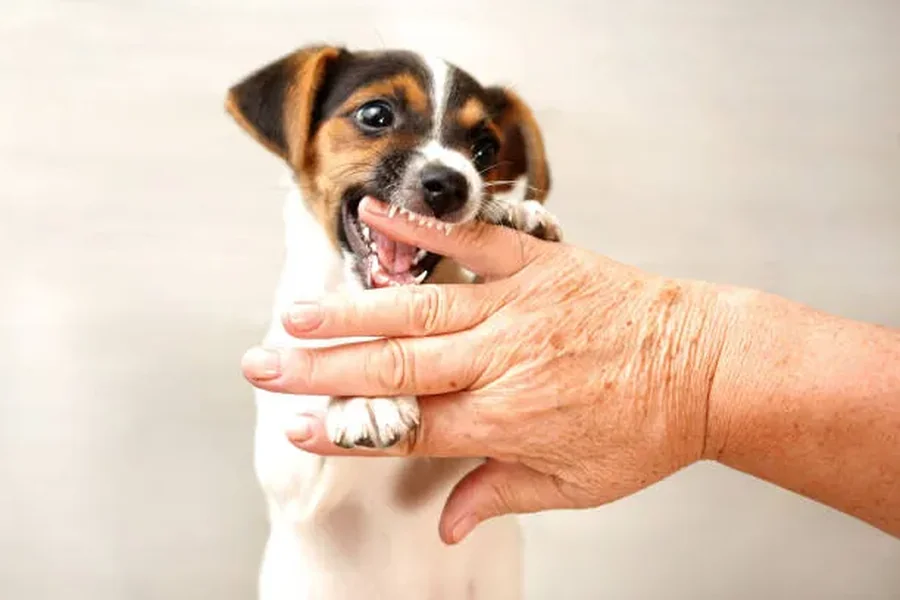
Over 4.5 million people experience dog bites annually in the U.S., highlighting the urgent need for prevention. While dogs are beloved companions, understanding and reducing the risks is vital for public health and safety. Whether you’re a pet owner or someone who interacts with dogs regularly, being informed helps protect everyone, especially if you require help from a Rock Hill dog bite lawyer. Being proactive about safety prevents harm and helps foster healthier, more trusting relationships between dogs and people.
Understanding Dog Behavior
Most dog bites are preventable and preceded by warning signs. Growling, stiff posture, bared teeth, or a tucked tail can signal fear, stress, or territorial aggression. Learning to read these cues—and teaching others to do the same—can prevent dangerous situations before they start.
Training and Socialization
Proper training from a young age is key to reducing aggression. Puppies should be introduced to various people, animals, and environments early. Obedience training using positive reinforcement encourages good behavior and strengthens the human-dog bond.
Supervising Interactions
Children are frequent victims of dog bites. Adults must always supervise when dogs and kids interact. Children should be taught to approach dogs calmly, avoid teasing, and respect a dog’s space, especially during meals or rest. Supervision helps prevent accidents and ensures quick intervention if needed. In more serious cases involving legal consequences—such as when a dog bite leads to criminal allegations—a Rock Hill criminal defense attorney can provide essential guidance to protect your rights. Understanding the legal implications early on can help families navigate medical and legal outcomes more confidently.
Community Education
Public awareness efforts play a crucial role in prevention. Educational campaigns in schools and neighborhoods can teach responsible pet ownership and safe behavior around dogs. Events like National Dog Bite Prevention Week promote shared responsibility and better understanding.
Legal Responsibilities
Dog owners must take steps to keep their pets from harming others. In many states, owners are liable for injuries, even if the dog has never shown aggression. Following leash laws, securing yards, and ensuring vaccinations help protect both pets and people. Knowing local regulations also helps reduce the legal risks after an incident.
Safe Public Spaces
Well-designed public areas for dogs—like fenced dog parks with clear rules—allow pets to play safely. Leash laws in non-designated areas minimize unwanted interactions. Educating the public on dog park etiquette helps everyone enjoy outdoor spaces more safely.
Responding to Dog Bites
If a bite occurs, wash the wound, apply pressure, and seek medical care promptly. Report the incident to local authorities for public health tracking. If you’re bitten, gather details about the dog and owner, and consider speaking with a legal or medical professional to understand your rights and next steps.
Conclusion
Communities can significantly reduce dog bite incidents by combining awareness, training, supervision, and legal responsibility. Prevention isn’t just about protecting people—it’s also about building trust and safer environments for both humans and dogs.