10 Essential Skincare Tips for Trekkers and Hikers
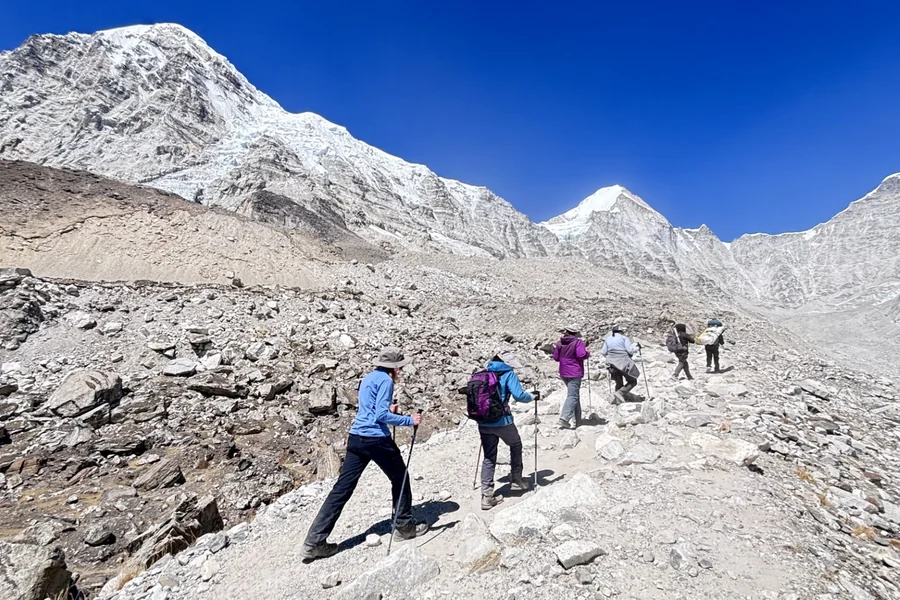
Trekking in the mountains is one of the most rewarding experiences you can have — the crisp air, the incredible scenery, and the sense of freedom are unmatched. But while you’re busy climbing ridges and admiring the views, your skin is quietly fighting its own battle. Harsh winds, cold temperatures, strong UV rays, and dry air can all wreak havoc on your complexion. Without proper care, trekkers often experience sunburn, flaking, breakouts, or even painful windburn.
Whether you’re hiking for a few days or embarking on a two-week high-altitude adventure, maintaining skin health isn’t about vanity — it’s about comfort, protection, and recovery. After all, when your skin feels good, you feel good.
Here’s a complete guide to taking care of your skin during a trek, with 10 essential tips that keep you glowing even in the most rugged conditions.
1. Shield Your Skin from Intense Sun Exposure
At high altitudes, the sun’s ultraviolet (UV) radiation is much stronger — and your skin is more vulnerable. Every 1,000 meters you ascend increases UV exposure by roughly 10–12%. That means treks like the Everest Base Camp Trek, which goes above 5,000 meters, expose you to extreme sunlight even on cool or cloudy days.
The key here is consistent sun protection. Choose a broad-spectrum sunscreen with SPF 50 or higher, and make sure it protects against both UVA and UVB rays. Apply it generously to your face, neck, and any exposed areas at least 20 minutes before stepping outside. Reapply every 2–3 hours, especially if you’re sweating or wiping your face frequently.
Don’t forget your lips — use an SPF-infused lip balm to prevent painful cracking or sunburn. A lightweight, mineral-based sunscreen works best for high-altitude treks since it doesn’t clog pores or melt off easily.
2. Hydrate Deeply, Inside and Out
Dehydration is one of the biggest culprits behind dry and flaky skin during long hikes. The air at higher altitudes, like those on the Annapurna Base Camp Trek, is cold and thin, which means your skin loses moisture faster through evaporation. Combine that with the physical exertion of trekking, and your skin can quickly become parched.
To counter this, drink plenty of water throughout the day — even if you don’t feel thirsty. Carry a reusable bottle or hydration bladder, and sip regularly instead of waiting until rest stops. Aim for at least 3 to 4 liters of water daily.
Externally, use a hydrating face cream or lightweight moisturizer that contains ingredients like hyaluronic acid or glycerin. These draw water into your skin and lock it in. Apply moisturizer right after washing your face or returning from a hike to restore your skin’s barrier.
Bonus tip: avoid alcohol-based toners or harsh soaps — they strip away natural oils that protect your skin.
3. Cleanse Gently Every Evening
After hours of walking through dust, sweat, and sun, your skin needs a reset. Cleansing is crucial, but during a trek, less is more. Over-washing can dry out your face, while skipping it altogether can lead to breakouts and clogged pores.
Use a mild, pH-balanced face cleanser or micellar water to remove dirt and sunscreen buildup. If water is limited, biodegradable facial wipes are a good alternative — just make sure to pack out your waste responsibly.
Always cleanse before bed, even when you’re tired. It allows your skin to breathe, recover, and absorb moisturizer overnight.
4. Moisturize, Moisturize, Moisturize
The combination of cold temperatures and wind can strip your skin of moisture faster than you might expect. A good moisturizer acts like a shield, locking in hydration and preventing irritation.
For face and neck, opt for a non-comedogenic cream that’s rich but not greasy. For body, a thicker lotion or balm with shea butter or ceramides works wonders. Apply after cleansing or washing, and always before bed to help your skin recover overnight.
If you’re trekking in freezing conditions, apply a thin layer of petroleum jelly or cold cream over your moisturizer in exposed areas — it prevents windburn and frostbite.
5. Protect Your Hands and Feet
Your hands and feet often take the hardest beating on a trek, yet they’re easy to overlook. Constant washing, temperature changes, and dry air cause cracked knuckles and rough skin. Apply hand cream regularly, especially before sleeping.
For your feet, use a lightweight moisturizer at night and let it soak in while you rest. Avoid thick creams during the day — they can make your feet slippery in your boots. Carry a travel-sized antiseptic cream for blisters or friction spots to avoid infection.
6. Use a Scarf or Buff to Guard Against Windburn
High-altitude winds can be surprisingly fierce, and even if you’re bundled up, your face remains exposed. Windburn feels like sunburn — red, sore, and tight — but it’s caused by cold air stripping your skin’s natural oils.
A simple buff, neck gaiter, or scarf is a game-changer. Cover your nose, mouth, and cheeks when trekking through strong gusts or dusty trails. Choose a breathable, moisture-wicking fabric that won’t trap sweat.
When you stop for breaks, apply a hydrating balm or face oil to help soothe wind-exposed skin.
7. Don’t Skip Nighttime Skincare
Your skin repairs itself while you sleep — and during a trek, that’s when it needs extra care. After a day of sun and wind exposure, cleanse your face, apply a nourishing moisturizer, and, if possible, a lightweight night cream or hydrating serum.
A few drops of facial oil (like argan or rosehip) can also help repair the skin barrier and calm inflammation. Even if you’re staying in basic teahouses, a quick nighttime routine makes a world of difference in how your skin feels the next morning.
8. Keep Your Diet Skin-Friendly
What you eat on the trail influences your skin more than you might think. A diet rich in whole foods, antioxidants, and hydration supports your skin from within.
Eat fresh fruits and vegetables when available — especially those high in vitamin C and E, which protect against free radical damage caused by sun exposure. Nuts and seeds are excellent sources of healthy fats that help maintain skin elasticity.
Avoid overloading on caffeine or alcohol, as both dehydrate the body and dull your complexion. Herbal teas, soups, and local dishes like dal bhat provide both warmth and nourishment.
9. Prioritize Sleep and Stress Management
Skin health is directly linked to how well you rest. Long trekking days can be physically demanding, and poor sleep at altitude can make your skin look dull and fatigued.
Try to get at least 7–8 hours of rest whenever possible. Keep a consistent nighttime routine, stay warm, and avoid caffeine late in the day. Deep breathing and gentle stretching before bed can also improve relaxation and oxygen flow — both beneficial for skin rejuvenation.
When your body feels rested, your skin naturally glows, even without any special products.
10. Be Consistent and Gentle
Finally, remember that consistency matters more than complexity. You don’t need a 10-step skincare routine on a trek — just a simple, reliable system. Over-exfoliating, skipping sunscreen, or constantly switching products can shock your skin.
Pack lightweight, travel-sized versions of your essentials: a gentle cleanser, moisturizer, sunscreen, and lip balm. Keep them in an accessible pouch so you can reapply easily throughout the day.
Your goal isn’t perfection — it’s protection. By caring for your skin regularly and gently, you’ll return home looking as refreshed as you feel inside.
Bonus: Packing Essentials for Trekking Skincare
If you want a quick checklist to go along with your skincare plan, here are a few must-haves to pack for any trek:
- SPF 50+ sunscreen
- Lip balm with SPF
- Hydrating moisturizer
- Gentle cleanser or micellar water
- Face and body wipes
- Hand cream
- Buff or scarf
- Compact mirror and cotton pads
Lightweight, multi-purpose items are ideal for treks since every gram counts. Choose products in sturdy packaging that won’t leak or break under cold temperatures.
Conclusion: Let Your Skin Reflect the Beauty of the Journey
Trekking challenges your body, inspires your mind, and transforms your spirit — but your skin endures the same intensity. Taking care of it isn’t indulgent; it’s part of the experience.
When you protect, hydrate, and nurture your skin daily, you’re not just preventing dryness or sunburn — you’re ensuring that your body can fully enjoy the adventure. Whether you’re standing beneath the majestic peaks of the Himalayas or walking through rhododendron forests, your skin deserves the same care you give to your boots and backpack.
So the next time you set off on a high-altitude adventure remember: radiant skin is resilient skin. Treat it kindly, and it will reward you with comfort, confidence, and a glow that mirrors the mountains themselves.