Limewash Wallpaper vs. Limewash Paint: Which Is Better for Your Walls?
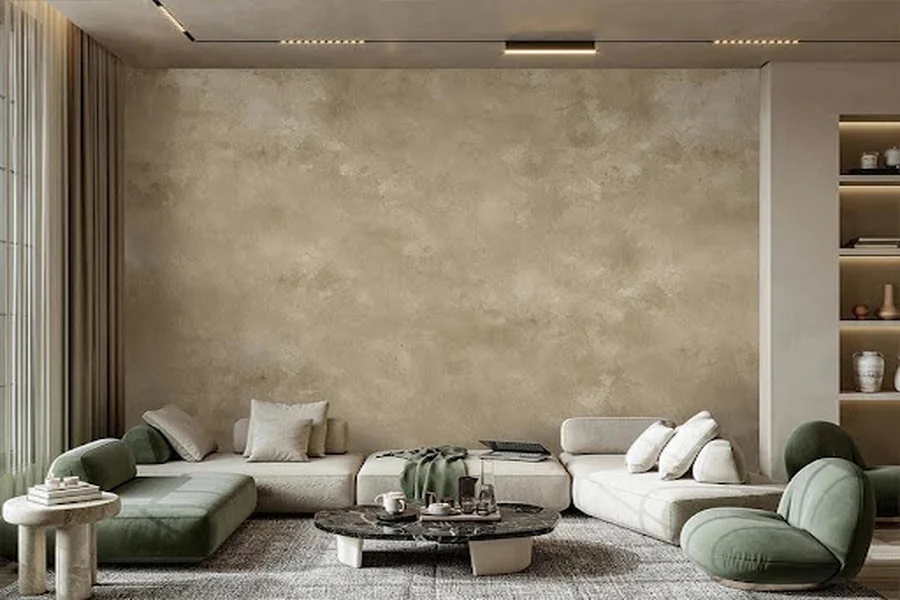
Limewash walls have become a popular way to bring depth, softness, and an organic feel into modern interiors. Their cloudy color variations and slightly imperfect finish can make even a simple room feel more layered and inviting. But achieving this look no longer means working exclusively with traditional lime-based aint. Today, limewash wallpaper offers another way to recreate the characteristic texture and tonal movement of limewash, often with a much simpler installation process.
So, which option is better: authentic limewash paint or wallpaper designed to imitate its appearance? Both can create beautiful interiors, but they differ considerably in application, maintenance, flexibility, and the type of surface they produce.
What Is Limewash Paint?
Limewash is a traditional mineral-based finish made primarily from lime and water, often with natural pigments added for color. Unlike standard wall paint, which creates a relatively uniform layer over the surface, limewash produces subtle variations in tone.
The result is a soft, matte finish with visible movement across the wall. Depending on the application technique, the effect may range from very subtle cloudiness to a pronounced, aged appearance.
One reason limewash has returned to contemporary interiors is that it works particularly well with styles that favor natural materials and understated textures. Minimalist spaces, Mediterranean interiors, rustic homes, modern organic rooms, and even some industrial designs can all benefit from its imperfect appearance.
However, achieving the desired result requires more than simply choosing a color and applying one coat.
How Does Limewash Wallpaper Create the Same Look?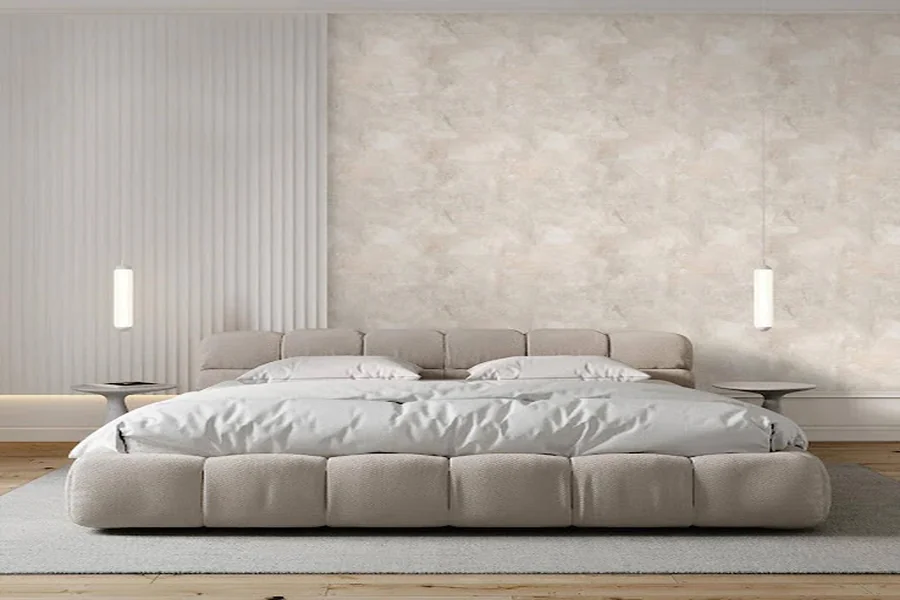
Limewash-inspired wallpaper recreates the visual characteristics of painted limewash through printed texture and color variation. Instead of physically creating tonal movement with multiple brush strokes and layers of mineral paint, the effect is already incorporated into the wallpaper design.
Modern prints can reproduce subtle gradients, cloudy areas, brush-like variations, and mineral textures without making the wall appear overly patterned.
This is particularly useful when you want texture without introducing an obvious motif. Florals, geometric prints, stripes, and murals immediately become visible design features, while a limewash effect can function almost like a sophisticated neutral background.
From a distance, the wall may simply appear softly textured. Up close, the variation becomes more noticeable.
Limewash Wallpaper vs. Paint: Installation
Installation is one of the biggest differences between the two options.
Traditional limewash requires some preparation and technique. Depending on the existing wall surface and the particular product, a suitable primer may be necessary. The paint is generally applied using broad, overlapping brush strokes rather than the conventional roller technique used for standard interior paint.
Multiple coats may also be needed to create the characteristic depth.
The final appearance depends significantly on how the material is applied. For someone who enjoys hands-on decorating, this can be part of limewash’s appeal. For someone who wants a predictable result, it can become a challenge.
Wallpaper takes a different approach. With peel-and-stick options, the panels are positioned on a clean, smooth wall and applied progressively while smoothing the material as you work.
There is still some precision involved—particularly when aligning adjacent panels—but you do not need to manually recreate the texture across an entire wall.
This makes wallpaper especially attractive for DIY projects where the goal is to achieve a consistent decorative result without learning a specialized painting technique.
Which Option Gives You More Control Over the Final Look?
Limewash paint is inherently somewhat unpredictable. This isn’t necessarily a disadvantage; in fact, its irregularity is one of the qualities people appreciate most.
The same color can look different depending on the number of coats, brush technique, underlying surface, lighting, and even the person applying it.
Wallpaper offers greater visual predictability. You can see the design beforehand and have a much clearer idea of how the finished wall will look.
This distinction becomes particularly important when designing an entire room around a specific palette. If furniture, flooring, curtains, and decorative elements have already been selected, knowing exactly what kind of wall texture and tone you are introducing can make the design process easier.
Color and Texture Options
Both solutions offer plenty of creative possibilities.
Classic limewash interiors often use warm neutrals such as beige, cream, sand, taupe, stone, and soft gray. These shades emphasize the mineral quality of the finish and pair naturally with wood, linen, stone, ceramics, and other tactile materials.
But the aesthetic doesn’t have to remain neutral.
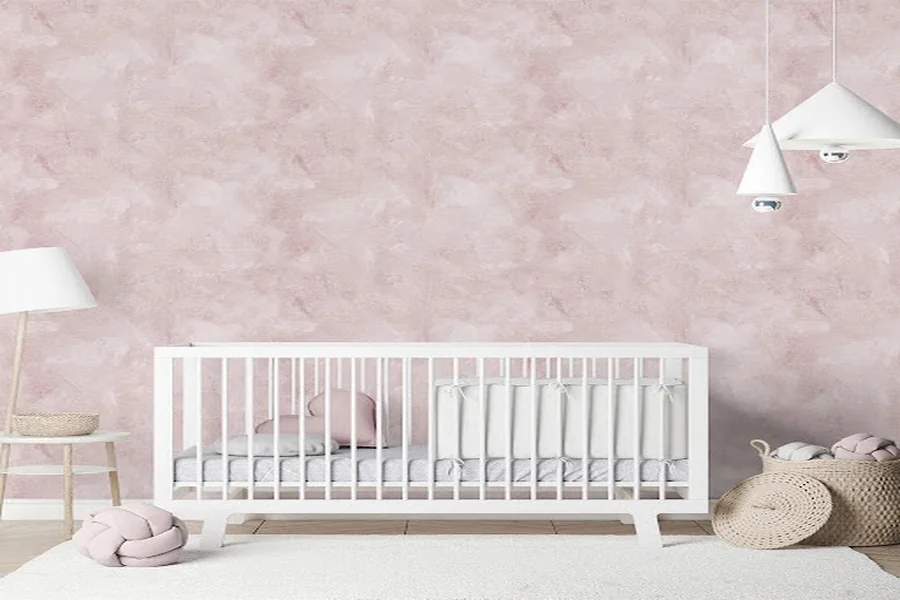
Muted greens can bring a botanical character to a room, while dusty blues create a calm atmosphere. Terracotta and warm earthy shades work particularly well in Mediterranean-inspired interiors. Deeper gray, charcoal, or brown variations can produce a more dramatic effect.
The important consideration is not only the base color but also the amount of contrast within the texture. A subtle tonal variation will read almost like a solid wall, while stronger variations create a more visibly aged or artistic effect.
What Rooms Work Best for the Limewash Look?
One advantage of this aesthetic is its versatility.
In a living room, a limewash-effect wall can provide visual depth behind a sofa, shelving unit, or fireplace without competing with artwork and furniture.
In bedrooms, softer beige, cream, gray, or muted earth tones can create a relaxed background behind the bed. Because the texture is visually understated, it can be used on an accent wall or throughout the room depending on how dramatic the selected design is.
Dining areas also benefit from this finish, particularly when paired with wooden furniture and warm lighting.
Limewash effects can even work well in home offices. A softly textured wall creates more visual interest than a plain painted background while remaining subtle enough for a workspace.
Which Is Easier to Change Later?
This is an important consideration for anyone who likes updating interiors regularly.
Changing a painted limewash wall usually means repainting or covering the existing finish. Depending on the product and wall condition, additional surface preparation may be required before applying a completely different finish.
Removable wallpaper provides more flexibility, especially in interiors where the design may change after several years. Instead of repainting the entire surface, the wallpaper can be removed and replaced with another design.
That flexibility can be particularly valuable in rental properties or for homeowners who enjoy following interior trends but don’t want every redesign to become a major renovation project.
Maintenance and Everyday Practicality
Before choosing between paint and wallpaper, consider how the room is actually used.
Limewash has a naturally matte appearance, and the finish can behave differently from conventional washable interior paints. Cleaning methods depend on the specific limewash product and surface, so manufacturer recommendations should always be followed.
Wallpaper maintenance similarly depends on the material. In everyday living spaces, minor dust or light marks may be relatively easy to manage, but excessive moisture and repeated direct water exposure should generally be avoided unless the specific material is designed for those conditions.
For high-traffic areas, households with children or pets, and spaces where walls are frequently touched, practical maintenance can be just as important as appearance.
What About Cost?
The final cost depends on more than the price of the paint or wallpaper itself.
With limewash paint, you may need primer, specialized brushes, multiple coats, and other preparation materials. If you want a highly controlled professional finish but aren’t comfortable with the application technique, labor costs may also need to be considered.
Wallpaper pricing depends primarily on the wall dimensions, material, and design. DIY installation can reduce labor costs, although accurate measurements are important to ensure that enough material is ordered.
For this reason, it is more useful to compare the complete project rather than simply comparing the price of one roll of wallpaper with one container of paint.
Limewash Paint or Wallpaper: Which Should You Choose?
The answer ultimately depends on what you value most.
Choose traditional limewash paint if you want an authentic mineral finish, enjoy the handcrafted nature of the application, and appreciate natural variations that make every wall unique.
Choose limewash-effect wallpaper if your priority is a more predictable appearance, simpler DIY installation, and the flexibility to update the room later without recreating the entire painted finish.
Neither option is inherently better. They simply offer two different ways to achieve a similar visual idea.
For permanent interiors where the material itself is part of the design concept, authentic limewash can be a beautiful choice. For flexible interiors, rentals, quick room updates, or projects where installation convenience matters, wallpaper may be the more practical solution.
Final Thoughts
The popularity of limewash reflects a broader shift toward interiors that feel warmer, softer, and less perfectly uniform. Whether created with mineral paint or wallpaper, subtle tonal variation can give otherwise simple walls significantly more depth and character.
If you prefer the wallpaper approach, you can explore the limewash-inspired designs available from CostaCover and compare different colors and textures to find an option that works naturally with your interior rather than dominating it.