
The Art of Plating and Presentation in VIP Flight Catering
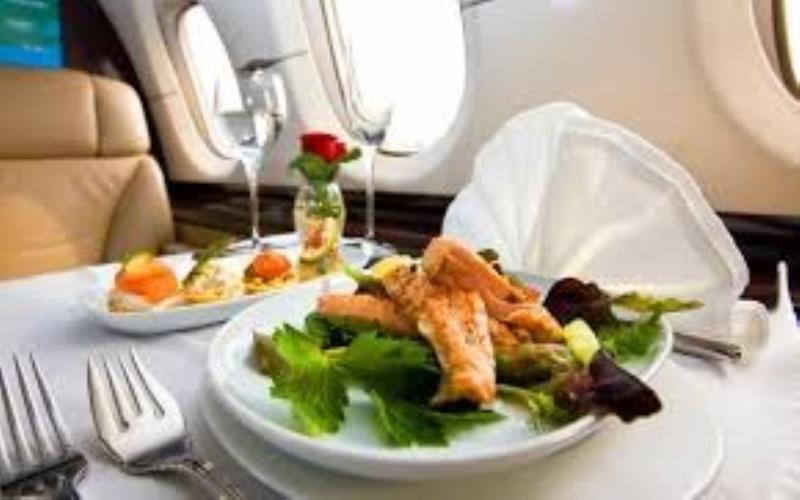
VIP flight catering is not merely about delivering meals to passengers; it is about crafting a luxurious and memorable dining experience at 35,000 feet. In this exclusive realm, where clients expect the finest, the art of plating and presentation becomes a crucial element. It’s a blend of culinary artistry and meticulous attention to detail, aiming to provide not just nourishment but a sensory delight that reflects the opulence and exclusivity of private air travel. This article explores the significance of plating and presentation in VIP flight catering, highlighting how these elements enhance the overall dining experience.
The Importance of Visual Appeal in VIP Flight Catering
In the culinary world, it’s often said that people eat with their eyes first. The visual presentation of food plays a pivotal role in shaping the dining experience, setting the stage for the flavors and textures that follow. In the context of VIP flight catering, where every aspect of service is elevated, the importance of plating and presentation is magnified. It serves several key purposes:
- Enhancing Perceived Quality: Well-presented dishes convey a sense of care, sophistication, and quality. This is crucial in VIP settings, where clients have high expectations and are accustomed to the best.
- Creating a Memorable Experience: The aesthetic appeal of food can create lasting impressions. A beautifully presented meal can turn a simple in-flight meal into a memorable experience, contributing to the overall enjoyment of the journey.
- Reflecting Brand and Image: For catering companies and private jet operators, the presentation of food is part of the brand image. It reflects their commitment to luxury, attention to detail, and excellence in service.
Key Elements of Plating and Presentation in VIP Flight Catering
The art of plating and presentation in VIP flight catering involves various components, each contributing to the overall effect. Here are some of the key elements:
- Composition and Balance: A well-composed plate balances colors, textures, and shapes. It avoids overcrowding, ensuring each element has its place and can be appreciated individually and as part of the whole. This balance is crucial in the limited space available on aircraft.
- Use of Color and Garnishes: Color plays a significant role in food presentation. Bright, vibrant colors can make a dish more appealing and stimulate the appetite. Garnishes add color contrast and can provide a preview of the flavors to come, such as a sprig of herbs indicating a fresh, herbal note.
- Texture and Form: Varied textures create a more engaging and enjoyable eating experience. This can include a mix of smooth, crunchy, soft, and crisp elements. The form, including the shapes and arrangements of food items, also contributes to the visual appeal and ease of eating.
- Tableware and Cutlery: The choice of plates, bowls, and cutlery can elevate the dining experience. Fine china, crystal glasses, and elegant cutlery add to the luxury feel, while also playing a practical role in how the food is presented and consumed.
- Thematic and Seasonal Elements: Incorporating thematic or seasonal elements can enhance the relevance and appeal of a meal. For instance, using seasonal flowers or foliage as garnishes, or themed decorations for holidays, adds an extra layer of sophistication and thoughtfulness.
Challenges in Plating and Presentation on Private Jets
While the principles of plating and presentation are well-established, applying them in the context of VIP flight catering comes with unique challenges:
- Space Constraints: The limited space in aircraft galleys requires efficient and creative use of available area for food preparation and plating. This often means that dishes need to be pre-plated or arranged in a way that can be easily completed in the confined space.
- Movement and Stability: Turbulence and the movement of the aircraft can affect the stability of plated dishes. Therefore, the presentation needs to be both aesthetically pleasing and practical, ensuring that food remains intact and appealing during service.
- Time Sensitivity: Timely service is critical to maintain the quality and temperature of food. This requires precise coordination and efficiency in plating and serving, ensuring that dishes are served at their peak condition.
- Limited Resources: Unlike ground-based restaurants, private jets have limited access to a wide range of ingredients and tools. This limitation necessitates careful planning and innovation to achieve the desired presentation standards.
Innovations and Trends in private jet catering los angeles Presentation
The luxury travel industry is constantly evolving, and so are the trends in VIP flight catering. Some of the current innovations and trends in plating and presentation include:
- Minimalist Aesthetics: There is a growing trend towards minimalist presentation, where simplicity and elegance are emphasized. This style focuses on clean lines, ample negative space, and the natural beauty of ingredients.
- Edible Art and Sculptural Elements: Culinary art that includes sculptural elements or edible decorations adds an artistic touch. This can involve intricate sugar work, chocolate sculptures, or beautifully carved fruits and vegetables.
- Interactive and Experiential Elements: Some VIP catering services are incorporating interactive elements, such as dishes that involve a final touch by the passenger, like pouring a sauce or adding a garnish. This engagement can enhance the dining experience and make it more memorable.
- Sustainable and Eco-Friendly Presentation: With increasing awareness of sustainability, there is a shift towards eco-friendly materials and practices in food presentation. This includes using biodegradable or reusable serving ware and minimizing waste through careful portioning and plating.
The Role of Professional Training in Achieving Excellence
Achieving the high standards of plating and presentation in VIP flight catering requires skilled professionals. This is where professional training and development come into play. Training programs focus on:
- Culinary Skills: Basic and advanced culinary skills, including cutting techniques, flavor pairing, and cooking methods, are foundational. Chefs and catering staff are trained to prepare and present dishes that meet the high standards expected in VIP services.
- Aesthetic Sensibilities: Training in aesthetic sensibilities, including color theory, composition, and design principles, helps staff create visually stunning dishes. This also includes understanding the impact of different tableware and presentation styles.
- Practical Problem-Solving: Given the unique challenges of in-flight catering, staff are trained in practical problem-solving. This includes techniques for stabilizing food, managing space constraints, and maintaining food quality under varying conditions.
- Attention to Detail and Precision: Precision in execution is crucial for maintaining consistency and quality. Training emphasizes meticulous attention to detail, from the placement of garnishes to the uniformity of portion sizes.
Conclusion
The art of plating and presentation in VIP flight catering is a vital component that transforms an ordinary meal into a luxurious dining experience. It involves a delicate balance of culinary skill, aesthetic judgment, and practical considerations, all aimed at creating a memorable and satisfying experience for the passenger.
As the expectations of VIP travelers continue to rise, so too does the need for excellence in every aspect of service, including the visual appeal of meals. By focusing on the art of plating and presentation, private jet catering los angeles services can ensure that they meet and exceed the discerning tastes of their clientele, solidifying their reputation as purveyors of luxury and excellence in the skies.


