The Hidden Costs of Hard Water on Your Plumbing and Appliances
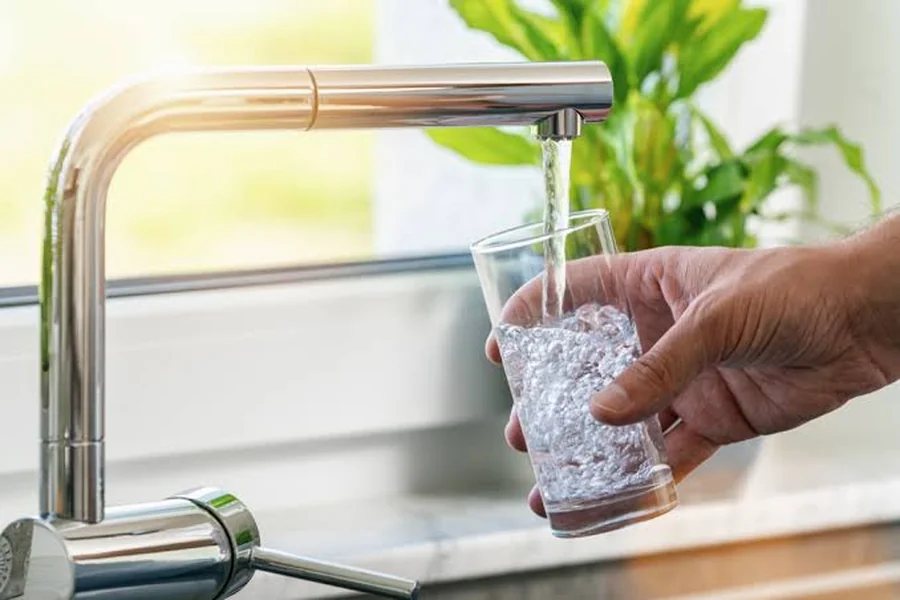
For many homeowners, water quality is something that only crosses their minds when they notice a strange taste or smell. However, the true impact of untreated tap water often happens entirely out of sight. The U.S. Geological Survey estimates that 85 percent of American homes have hard water, which is technically defined as water containing dissolved calcium and magnesium at concentrations above 60 parts per million. Furthermore, the Water Quality Association notes that water exceeding 180 parts per million is classified as very hard. While the Environmental Protection Agency considers these minerals safe for human consumption, they wreak havoc on household infrastructure. Over time, the continuous flow of hard water creates a hidden financial burden through increased energy bills, premature appliance replacements, and excessive cleaning product usage.
How Hard Water Secretly Damages Appliances
Modern high-efficiency appliances are incredibly sensitive to mineral scaling. When hard water is heated or agitated, the dissolved calcium and magnesium solidify into a stubborn chalky crust. A study conducted by the Battelle Memorial Institute revealed that hard water drastically reduces the expected lifespan of washing machines from a standard 11 years down to just 7.7 years. This premature failure forces homeowners into a cycle of frequent and expensive replacements.
Water heaters face an even more severe threat from scaling. As minerals accumulate at the bottom of the tank, the appliance must work significantly harder to heat the water through the thick layer of insulating rock. According to a U.S. Department of Energy study, this scale buildup causes gas-fired heater efficiency to gradually decline by about 5 percent while making tank metal temperatures operate hotter, and it can even cause electric water heater elements to fail periodically. This loss of efficiency means your water heater draws more energy to do the exact same job, directly inflating your monthly utility bills.
Choosing the Right Treatment Solution
With the global water softening market expanding rapidly, consumer demand is shifting toward comprehensive whole-house filtration systems to protect entire plumbing infrastructures simultaneously. Understanding the mechanical differences between leading brands is essential before making an investment. For instance, reviewing a detailed kinetico vs culligan comparison can help clarify the benefits of non-electric softeners that operate on the kinetic energy of moving water compared to traditional salt-based ion exchange models. Eco-conscious consumers are paying closer attention to these differences to avoid the environmental impact of sodium-rich brine wastewater discharge from legacy systems.
The Impat on Everyday Plumbing and Maintenance
The damage extends well beyond major appliances and directly impacts your home plumbing system. As scaling thickens inside your pipes, it restricts the internal diameter, which leads to a noticeable drop in household water pressure. Research shows that showerheads running on unsoftened water can lose up to 75 percent of their flow rate in less than 18 months due to rapid internal scale accumulation.
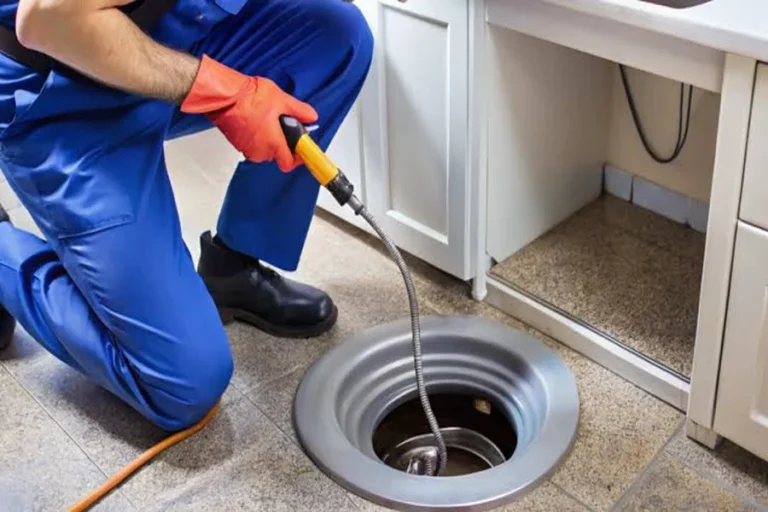
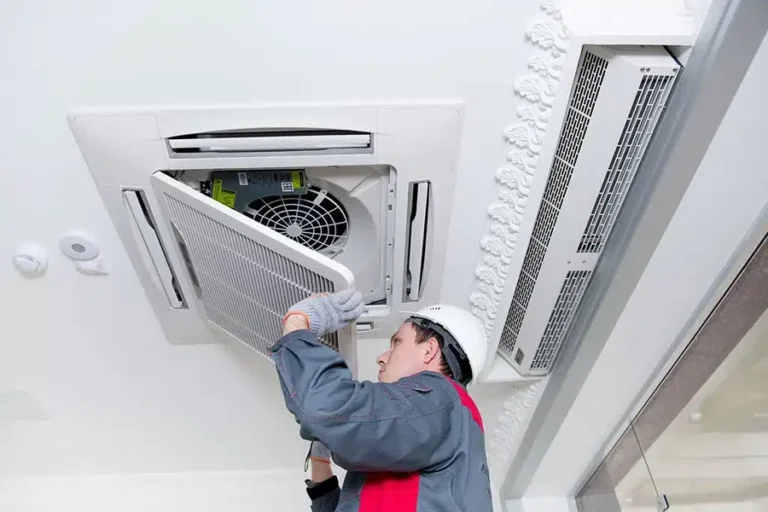
Addressing restricted water flow requires a comprehensive approach to home efficiency. Just as you might look into professional drain clearing or ways to manage rising cooling costs, tackling water hardness is a fundamental part of routine household maintenance. Ignoring the signs of scaling will eventually lead to extensive plumbing repairs that far exceed the cost of preventative treatment. Furthermore, heavily scaled plumbing systems can cause water and energy bills to spike by as much as 25 percent.
Detergent Waste and Inefficient Cleaning
Beyond mechanical failures, hard water directly impacts the effectiveness of your daily cleaning routines. The minerals in the water react with the chemical ingredients in standard household detergents to create insoluble soap scum. This sticky residue traps dirt directly in fabric fibers, leaving clothes looking faded, stiff, and gray.
Switching to softened water offers significant day-to-day advantages:
- Reduces the need for laundry and dish detergents by 50 to 70 percent without sacrificing cleanliness.
- Allows washing machines to operate effectively at much lower temperatures, making cold wash cycles highly efficient.
- Eliminates the stubborn soap scum that requires harsh chemical cleaners to remove from bathroom tiles and glass shower doors.
- Helps lower your household carbon footprint by reducing the extra energy required to heat and pump water through mineral-choked systems.
Protecting your home from the silent damage of hard water is an investment in the longevity of your property. By understanding the hidden costs associated with mineral buildup, you can make informed decisions that save money, reduce energy waste, and keep your household running smoothly for years to come.